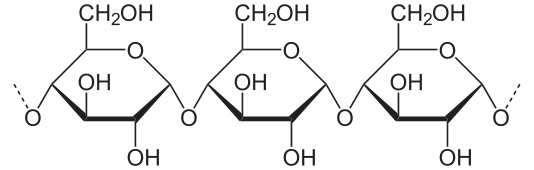
What we eat and which micronutrients are available to our body help to determine our health. Orthomolecular medicine measures vitamins, minerals, trace elements, amino acids and fatty acids in the blood and supplements in a targeted way what is missing. It does not look for medicines that remove the symptoms, but for remedies that act on the cause of an illness.
The following sections go into the individual topics in more depth.
Orthomolecular medicine
Genesis 1:12.
Today this quotation can be confirmed in exemplary fashion from evolution. Only plants are able to produce all organic substances. For this they need nothing more than water, carbon dioxide, minerals (in themselves “lifeless” rock matter!) and light. Without the products of plants, animals and we humans would not be capable of existing. On the other hand, we have a great advantage: we do not need to form all the necessary substances ourselves and therefore save substantial amounts of energy. Biochemically speaking, then, the human being is by far not the most highly developed living creature. Here we are inferior to plants and to many animals. The human being, as an integral part of nature, had to build itself up from the substances that nature offered it, and has made itself dependent on a whole series of “essential nutrients”.
There are about 45 of these “orthomolecules”, from the groups of minerals, trace elements, fatty acids, amino acids and vitamins. Healthy, pure and living food, an adequate orthomolecular supply, is the basis of human well-being. Orthomolecular medicine (OM) is thus concerned with the use of the right substances and molecules in the right amounts. The exact definition according to Linus Pauling (two-time Nobel laureate and father of orthomolecular medicine, pictured right) is: “OM is the preservation of good health and the treatment of diseases by changing the concentration of substances in the human body that are normally present in the body and are required for health.”
OM does not look for medicines that eliminate the symptoms, but for remedies that act on the cause of an illness.
What is the human being?
Philosophers have been seeking an answer to this question for thousands of years. It is easier, by contrast, to say what the human being consists of: mainly water. The rest could be listed as little heaps of different colours: the largest would consist of pale yellow protein powder. Then come the minerals: two kilos of white calcium, one kilo of red-brown phosphorus, 90 grams of yellow sulphur, 120 grams of silvery-white magnesium, plus a pinch of black-grey iron, reddish copper, silvery chromium, brown selenium, grey zinc, manganese and iodine, metallically shining molybdenum and yellow-green fluorine. Minerals are important building blocks of the organism. On the one hand, they give various parts of the body, in particular the bones (calcium) and teeth (fluorine), the necessary hardness; on the other hand, they are indispensable as cofactors in countless enzymatically controlled biochemical reactions. They are involved in nerve conduction and in cell wall permeability and integrity, and they regulate the acid-base balance and the osmotic pressure and thus the water balance of the cell and of the connective tissue. Various circumstances can lead to an inadequate mineral status: insufficient intake, poor digestion and absorption, and inhibition by toxic heavy metals.
Affinity of the organs for minerals
Brain
- Lead
- Mercury
- Manganese
- Aluminium
Thyroid
- Cobalt
- Iodine
- Selenium
Heart
- Calcium
- Magnesium
- Nickel
- Mercury
Lungs
- Arsenic
- Cadmium
- Nickel
- Chromium
Liver
- Selenium
- Beryllium
- Nickel
- Chromium
- Arsenic
Kidneys
- Mercury
- Cadmium
- Arsenic
Fat
Cadmium
Bones
- Cadmium
- Lead
- Strontium
Nerves
- Cadmium
- Lead
- Mercury
Skin
- Arsenic
- Beryllium
Minerals and trace elements make up a large part of the actually non-organic constituents of living beings; they cannot be produced by the organism but must without exception be supplied. After death and decay, in the course of the transformation “dust to dust”, it is above all the minerals that remain and are reunited with the earth. In our modern civilisation and with our environmental pollution, the ratio of healthy minerals to harmful ones has regrettably shifted in favour of the latter. In many cases there is a toxic burden of heavy metals and, in relation to it, a relative or even absolute deficiency of desirable trace elements. The effects are of many kinds. There is no need to list them, in so far as practically every symptom and clinical picture can be associated, not exclusively but frequently, with imbalances of the trace elements.
Amino acids
are supplied through the consumption of protein, in order to be converted in the human organism into the body’s own protein. It makes no difference whether protein is taken in as a “natural” food or as a mixture of amino acids. The organism does not actually need “protein”, but only the amino acids it contains. The amino acids that the organism cannot produce itself are: isoleucine, leucine, lysine, methionine, phenylalanine, threonine, tryptophan, valine. The amino acids serve the production of structural substances, hormones and enzymes. The latter are needed to make chemical reactions possible, and to control them, at the (relatively) low temperatures prevailing in the body.
Fats & fatty acids
(FA) occur in food in various types: saturated FA, monounsaturated/polyunsaturated FA, omega-3 FA and omega-6 FA; these terms describe the chemical structure by the number of so-called double bonds between the carbon atoms. The ones humans need are the omega-3 and omega-6 FA. They are the starting substances for the production of the “eicosanoids”, which as “tissue hormones” are involved in numerous important metabolic processes: function of the blood platelets (blood clotting, heart disease), inflammatory processes (rheumatism, psoriasis, eczema), cell division (cancer), with the omega-3 FA exerting an inhibiting effect on these functions and the omega-6 FA an activating one, which is why only the omega-3 FA play a therapeutic role in OM. Whereas the ratio of O-6 FA to O-3 FA in food used to be 3 to 4:1, today it is 20:1! The most important source of O-3 FA is fish and fish oils.
Minerals and trace elements
(= minerals occurring in traces) are also referred to as electrolytes and must without exception be supplied from outside. They serve to regulate the water balance and kidney function and to maintain the function of the nerves, the heart and the muscles. They ensure a balanced acid-base equilibrium, a properly functioning metabolism through enzyme activation, and the mineralisation of bones and teeth.
Vitamins
are, in contrast to the other essential nutrients, vital complex organic molecules that the organism cannot produce itself in this form. Presumably they were available in such abundance during the evolutionary development of the human being that producing them would only have been a waste of energy. Almost all the vitamins needed by humans are also lacking in most other mammals: e.g. vit A, B1, B2, B3, B6, B12, pantothenic acid, vitamin E. Vitamin C is an exception. All mammals and most birds and fish can produce vit C themselves from sugar (glucose). They were practically always discovered through severe illnesses that occur in their absence: vit C: scurvy, vit D: rickets, vit B1: beriberi, vit B3: pellagra, vit B12: pernicious anaemia. Because the population is supplied with these nutrients, these diseases are now hardly ever encountered. Chemically, the vitamins are completely different substances that fulfil the function of enzymes and coenzymes in the body. They thus make vital biochemical reactions possible. In the event of a vitamin deficiency we fall ill; a complete absence leads to death. Symptoms of vitamin deficiency appear only when deficiencies are very advanced. Until then, the symptoms run their course without being consciously noticed, as for example in the development of arteriosclerosis, cancer or premature ageing. Cancer and arteriosclerosis are admittedly not vitamin deficiency diseases, but it is scientifically proven that these diseases are markedly rarer when the supply of vitamins is adequate.
Dietary recommendations
relate exclusively to the requirements of the healthy person, and even here only to amounts sufficient to rule out a clinically recognisable deficiency. Important influencing factors are left out of account here, however: smoking, alcohol, growing older, diseases of the digestive tract with impaired absorption, interactions with medicines. Taking in the recommended amounts thus prevents clinical symptoms, but it does not rule out a latent deficiency. The basic rule is: sufficiently high dosage, long-term use, complete combinations of OM substances, not just individual substitutions.
Diagnostics
Blood analysis
Serum
Blood provides information about what the body has absorbed recently (from hours to days ago). The test is suitable for detecting or ruling out acute poisoning. Our body tries with all its might to keep the composition of the blood, as a transport medium and “feeding bowl” for our cells, as constant as possible. For this reason, general statements about the body’s stores cannot be made here.
Whole blood / erythrocytes (red blood cells)
As the erythrocytes have a lifespan of about 120 days, this test is suitable for detecting medium-term deviations in the minerals.
Urine analysis
This measurement reflects the elements that the organism is trying to excrete and gives relatively reliable results regarding any medium-term burden (days to weeks), above all of heavy metals.
Hair analysis
The hair, like the nails and teeth, belongs to the skin as an appendage. The skin, with the subcutaneous tissue or fat, is our waste depot. Mother Nature has devised this kind of landfill perfectly. The harmful substances should accumulate less in the vital organs such as the heart or brain, and instead where they do the least harm, and that is indeed the fatty tissue and the skin. This final storage (fat is a storage medium for “bad times”) represents the exposure to the substances concerned over the last weeks to months or even years. In certain situations (above all in children), hair is also suitable for diagnostics because obtaining the sample is absolutely free of strain and unproblematic. Hair is suitable to a limited extent for screening for heavy-metal burdens and only very roughly for the analysis of trace elements and minerals. It must be borne in mind that there is always the possibility of contamination: hair-washing, hair-colouring and body care products, cosmetics and environmental factors of the most varied kinds. For this reason, hair analysis is unsuitable for “self-diagnosis”.
Caution
It is strongly advised not to try to establish causal relationships, a diagnosis, let alone a treatment plan (for example with mineral supplements) on the basis of a mineral analysis alone (of any medium). By contrast, in the hands of an experienced physician a mineral analysis can provide additional information inexpensively and without strain.
Nutritional medicine
Introduction to nutritional medicine
“Your food is your strongest medicine”
“The body lives for 24 hours on what we supply it with, and then nutrition is supposed to play no part in health or illness?”, Dr. H. Nieper once asked at a medical lecture. Indeed, nutrition is of elementary importance not only for our well-being. It is the basis of our culture (cultura = agriculture) and connects the individual, society and the environment.
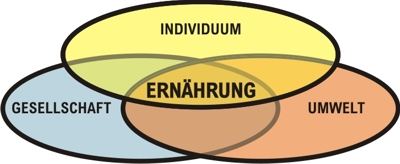
The seed of all culture thus evidently lies in the relationship to the earth. Understandably, countless nutritional doctrines became established, which try permanently and ever anew to adapt nutrition as well as possible to people’s current needs. Over the last 60 years, however, the supposed understanding of food has been increasingly and severely clouded by blind trust in modern science and by the appeal of increasingly artificially embellished products. Much of what we consume has been degraded to plain “calorie stuffs”. No longer fresh and healthy, but flavoursome, long-lasting, cheap and above all fast are the modern mottos. It is precisely when eating that one can still save the last few minutes of time that today’s pressure to perform steals from us. Eating as a waste of time? Fast-food chains are shooting up like mushrooms.

Fast food is increasingly popular, especially among young people

Even the Swiss “food postage stamp”, where one evidently was still supposed to “lend a hand” with the cooking, did not make it to more than 15Rp...

Certain fast-food meals can hardly be told apart from medicines any more… The “side effects” are pre-programmed.
Together with our sedentary way of life, it is less and less surprising that “diseases of civilisation” are increasingly occurring and that healthcare costs are rising exponentially. Instead of sound treatment concepts that remedy the cause, chemical agents are used out of convenience, ultimately merely to combat the symptoms. In doing so, people persist in the mistaken belief that freedom from symptoms is the same as a cure. Exactly the opposite is the case. One remains permanently ill, a pharmacological dependence grows, and the side effects of the medication in turn call for new medicines. A vicious circle?
Which illnesses come into question here? It is now generally known and scientifically proven that the following conditions are diet-related or can be favourably influenced by dietary measures or, if attended to in good time, prevented:
- Allergies, neurodermatitis
- Hardening of the arteries
- Asthma
- Disorders of the pancreas
- Anaemia
- Inflammations (-itis)
- Cardiovascular disorders
- Tooth decay
- Goitre (thyroid)
- Liver and gallbladder diseases incl. gallstones
- Disorders of fat metabolism
- Urinary stones
- Heart attack and other heart diseases
- Infectious diseases
- Gastrointestinal diseases
- Migraine, headaches
- Osteoporosis
- Psychological disorders such as anorexia, autism or bulimia
- Rheumatism
- Stroke and diseases of the blood vessels of the brain
- Overweight and underweight
- Diabetes (diabetes mellitus) and other metabolic disorders
That good food nevertheless leads a shadowy existence in our lives is due, among other things, to the fact that we know foodstuffs only by the most elementary criteria, as a “thing” consisting of fats, carbohydrates, proteins, vitamins and minerals together with any number of unpopular calories. Moreover, for most people in the civilised world, food is available everywhere and easily. Never in the history of humankind has so much food been so much taken for granted. Even less time is spent on buying food than on a new pair of jeans in the clothes shop. Yet our food deserves the highest respect! Taking in food is far more intimate than any sexual activity, for which we certainly do make certain demands as well. For taking in food means not only union but becoming alike (assimilation): transformation into oneself! That is what we are made of. Food thus embodies a far greater significance than we usually assume. Foods also unfold effects in the organism that cannot be put into words: “If you want to know the taste of a pear, you must eat the pear yourself”, says a Chinese proverb. Foods possess a wealth of characteristics that one does not readily notice. Besides taste, they embody a characteristic colour, shape, consistency and smell. The first contact usually takes place on the visual level, which the food industry knowingly turns to its advantage.
The “other” abduction of our children.
After all, one has to get used to the chemical food industry in good time...
As soon as we see a food and smell it or even bite into it, certain emotions arise in us, which can turn out very individually; quite gradually the food unfolds its living effect on the organism. Suddenly, especially after spicy dishes, one feels a warmth and gets red ears, and at the same time an existing skin rash gets worse. After alcohol the senses begin to cloud, and on the other hand they become clearer after a coffee. Especially after excessive consumption of sweets or animal fats, the stomach suddenly feels heavy. After consuming milk the nose becomes blocked, one gets tired, mucus forms in the lungs or even a discharge in women. Flatulence develops. After certain foods a migraine develops. Bitter and salty foods dry out the mouth on the one hand and, on the other, at the same time dampen an asthma attack. An acute allergic reaction can develop after a kiwi fruit. In many cases the mere smell of a food can provide information about its effect in the body, without it having to be ingested at all. And often it is enough to imagine the corresponding scent in order to identify, after a 5-course meal, the food that has not agreed with one (One can also “not be able to stand the smell of” someone.).
Besides these colourful effects, food controls our glands. Eating is therefore also hormone therapy! Carbohydrates determine how much insulin (storage hormone) is released, and protein does so for its counterpart glucagon (mobilisation hormone). Fats and oils likewise play an extraordinarily important role, because they influence the so-called eicosanoids (Nobel Prize 1982), which are something like “super hormones” that conduct this whole metabolic orchestra. Thus fats with a high proportion of omega-3 fatty acids (such as oily sea fish, linseed oil, walnuts) or of monounsaturated fatty acids (such as olive oil, macadamia nuts, almonds, avocado) can, with the help of glucagon, inhibit inflammation and tumour cell growth, lower blood pressure, stimulate the immune system and also improve the flow properties of the blood. Other fats such as the omega-6 fatty acids or the neutral fats (fatty red meat, egg yolk), together with an overdose of insulin (too many carbohydrates!), have the opposite effect: inflammation and tumour cell growth are promoted, blood pressure rises, the immune system is inhibited and the flow properties of the blood are worsened. This does not mean, however, that these fats have to be given up. As with everything in life, a balance is needed.
Given this wealth of effects that foods unfold, it is not surprising that an equally varied range of ways of eating is to be found. The risk in this is always that many originators praise their dietary pattern as beneficial for everyone. If, however, we regard foods as our “life partners”, it is immediately clear that a truly healthy diet can only be an individual one. “Therefore let those who bind themselves for ever test first.”
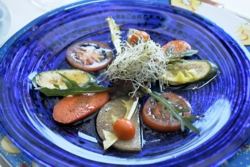
Food can be this beautiful…
Aspects of food
- Dietary patterns: rotation diet, food combining, vegetarian, vegan, mixed diet etc.
- Diets: fasting, Mayr, Buchinger, potato diet, Hollywood diet, Atkins, formula diets
- Religion: months of fasting
- Symbolic (cf. Holy Communion)
- Eating differently in company or as a single person
- Healing: stomach-sparing diet, liver-sparing diet and others
- Weight-regulating
- Food for constipation
- Classification by calories
- Requirements by age
- Requirements in pregnancy and while breastfeeding, heavy manual workers, athletes
- Allergy triggers
- 5 elements and relation to the seasons, energetics, direction of action, thermal behaviour
- Acid–base balance
- Laevorotatory & dextrorotatory food components
- Geared to content for gout (uric acid), cholesterol, histamine, gluten, sugar
- Luxury foods and stimulants
- Degree of processing, additives
- Sterility (Foods also bring other living beings into our organism, both welcome and unwanted ones such as bacteria, viruses, parasites and worms.)
- Shelf life (The longer it keeps, the less well we can make use of it, too!)
- Processing by genetic engineering
- Pollutant content
It is not the purpose of this information to set out nutrition in detail. There is a wealth of good literature for that. Rather, it is intended to sharpen awareness and recognition of the diversity, significance and individuality of the personal need for food, and to help food take its rightful place both in health and in illness
Left
Schweizerische Gesellschaft für Ernährung Verein für Unabhängige Gesundheitsberatung, UGB
Fats and health
At the beginning of the 1970s, Danish researchers made an astonishing discovery among Eskimos: despite a high-fat diet, cardiovascular diseases are practically unknown among them, in contrast to the Scandinavian population. As long as they followed tradition and fed mainly on fish and marine mammals, they were also spared other diseases. Several years of research and comparisons with other population groups provided the explanation: the biological advantage of the Eskimos is based on the omega-3 derivatives EPA and DHA, which are abundant in seal fat and in the fatty flesh of Arctic fish.
For people in affluent societies the word “fat” often arouses uneasy feelings; one thinks of trousers that are too tight and of the ideal figure one does not have. Yet it is often not known that fat is found not only on the hips and around the abdomen, but that different fats perform a multitude of tasks in the body.
What are fats
Fats are compounds of one molecule of glycerol with three fatty acids each, which is why they are also called “triglycerides”.
A fatty acid molecule, like a carbohydrate molecule, consists of carbon (C), hydrogen (H) and oxygen (O). In the chain, each “four-handed” carbon link holds, so to speak, the link in front of it with one hand and the next one behind it with the other hand. The two remaining hands are occupied by hydrogen, and the fatty acid is described as (hydrogen-) “saturated”. In an “unsaturated” fatty acid, two neighbouring carbon links, instead of each binding to one hydrogen atom, hold on to each other with two hands each (this is a “double bond” or “unsaturation”).
The saturated fatty acids, the basic substance of the lipids that are solid at room temperature, are also components of our membranes; mainly, however, they form our fat reserves (over 90%). We can produce them ourselves from the essential unsaturated fatty acids and therefore do not depend on their being supplied from outside. For this reason we should be very restrained in consuming them in meat, in dairy products and in vegetable fats. In terms of their nature, their molecules are straight, inflexible and compact and, compared with the unsaturated ones, have a melting point above room temperature, which rises even higher depending on the firmness of the type of fat.
With each double bond, the unsaturated fatty acids have a “movable joint” which allows them a high degree of elasticity. The longer and more unsaturated a fatty acid chain is, the more flexible it is. Through the loss of hydrogen as the double bonds between the carbon atoms multiply, their melting point falls to as low as -100C. The omega-3 fatty acids, which are defined as northern and cold lipids, thus play a decisive role in the physiological heat regulation that protects the northern flora and fauna from heat loss. They enable the membranes to adapt to a hostile environment and prevent the plants, above all flax, but also rapeseed and wheat, from freezing and breaking. For animals, too, as biological antifreeze agents they are highly effective tissue and joint lubricants with anti-inflammatory properties. Because of their flexibility, suppleness and elasticity, the unsaturated fatty acids form main components of our cell membranes and our skin. In addition, they are also precursors of a large number of messenger substances.
The omega fatty acids in the form of phospholipids are components of every cell membrane. The word omega refers to the carbon of the CH3 end link of the chain (corresponding to the name of the last letter of the Greek alphabet). From this omega end one then counts the position of the first double bond. Thus in the omega-3 fatty acids the first unsaturated bond is the 3rd, and in the omega-6 fatty acids the 6th, counted from the omega end. In all polyunsaturated fatty acids the double bonds occur at intervals of three carbon atoms each.
Until the 19th century the ratio of omega-6 to omega-3 fatty acids in our food was about 1:1. Since the 19th century the consumption of omega-3 has been declining, while that of the saturated lipids and the omega-6 fatty acids has been increasing. In the 20th century the discrepancy grew ever larger and developed over the last 30 to 40 years to the present ratio of 10:1. Alongside the saturated fats, this imbalance of the omega acids is an important, endemic cause of creeping malnutrition, which urgently needs to be corrected. An oversupply of omega-6 fatty acids is due to eating too much animal fat. Since even the feed of the pigs and cattle that supply meat today contains too many omega-6 fatty acids and too few omega-3 representatives, it affects the fat composition of the animals. Between the omega-6 and the omega-3 fatty acids in the human diet, a healthy ratio of at least 3:1 should be ensured.
The highly unsaturated, ultra-long omega-3 fatty acids EPA and DHA are formed above all in the fish oil of cold-water fish (mackerel, salmon, herring) and in the blubber oil of cold-water mammals (whales, seals), only after chain elongation and a further increase in their degree of unsaturation, and after their accumulation through the food chain. From this follows the compelling need, in the event of a deficiency, to resort directly to gamma-linolenic acid (GLA) in evening primrose oil and to eicosapentaenoic acid (EPA) and docosahexaenoic acid (DHA) in fish oil.
Fatty acids in food
To a lesser extent, the unsaturated fatty acids are found in green leafy vegetables. In addition, alpha-linolenic acid is contained in high concentration in linseed oil and to a lesser degree in nut oil and in wheat germ oil. The omega-6 fatty acids occur in vegetable oils such as sunflower oil. The plant foods with the highest content of polyunsaturated linoleic acid are evening primrose, sunflower and safflower oil, and to a lesser degree maize and grapeseed oil. In general, plants contain less alpha-linolenic acid than linoleic acid.
| Oil | % O-3 | % O-6 | Ratio | |
|---|---|---|---|---|
| Linseed | 55.0 | 13 | 4.231 | |
| Rapeseed | 9.0 | 20 | 0.450 | |
| Wheat | 9.0 | 55 | 0.164 | |
| Soya | 8.0 | 53 | 0.151 | |
| Olive | 0.5 | 10 | 0.050 | |
| Maize | 0.5 | 50 | 0.010 | |
| Pumpkin seeds | 0.5 | 51 | 0.010 | |
| Sunflower | 0.5 | 60 | 0.008 |
Fatty acids, building blocks of our cell membranes
Our organism consists of countless cells, which are enveloped by membranes that consist of one third fatty acids. The cell membranes are the skin of the cells; they protect them and ensure the processes of communication and exchange with the other cells. Our skin is itself a super-membrane whose condition reflects that of all the other membranes. The type of fatty acids consumed determines their suppleness and thus their quality. Under the control of the membranes, the cells are supplied with nutrients, and cholesterol, hormones, mineral ions, neurotransmitters and enzymes are taken up or secreted. The condition of our membranes influences all our functions without exception, and their quality decides our balance of life. It reflects very precisely, alongside the body’s defences, the condition of the nervous system, retina, heart, vessels, gut, liver and kidneys. In their structure the membranes appear as veritable “fluid mosaics” of phospholipids and proteins, which are stabilised by cholesterol. The flow properties of these membranes depend entirely on the composition of the fatty acids of their phospholipids. Membranes with a larger proportion of so-called saturated fatty acids are compact and stiff, while those with sufficient unsaturated essential fatty acids are dynamic and efficient.
As photon catchers, the cold-protection lipids also allow adaptation to darkness. In humans, DHA is responsible for the perception of light in the retina and also plays an important role for the pineal gland, which is dependent on light, as well as for mental performance as such. Dysfunction of the pineal gland is the cause of winter depression. This most mobile of all omega-3 fatty acids is also the carrier of photosynthesis in plants. This is the reason why northern plants increase their omega-3 production during the long winter months with insufficient light. In general, this series of fatty acids is very important for everything that has to do biologically with light. All this must be borne in mind in order to understand how many benefits the intake of omega-3 fatty acids can offer for health.
The most important indications
From what has been said above it follows that the use of omega fatty acids is practically unlimited. The main areas, however, are: cardiovascular diseases, neurological disorders, disorders of concentration, memory and mood, chronic inflammatory processes of all kinds, irritable bowel, reduced visual acuity, ageing, skin diseases, rheumatism, type II diabetes, hormonal disorders, age spots and immunological diseases.
The test
The fatty acid analysis offers a precise examination of 30 (omega) fatty acids and calculates the important ratios between them, which among other things are decisive for inflammatory processes. This test is carried out on a fasting blood sample. In the laboratory, using a very elaborate procedure, the membranes of the red blood cells are then separated from the rest of the cell and analysed by means of computerised gas chromatography-mass spectrometry.
Use of the oils (without any assessment in terms of health)
| Type of oil | Cold dishes | Gentle cooking | Frying | Deep-frying | As seasoning |
|---|---|---|---|---|---|
| Apricot kernel | |||||
| Avocado | |||||
| Borage | |||||
| Safflower | |||||
| Peanut | |||||
| Hemp | |||||
| Hazelnut | |||||
| Coconut | |||||
| Pumpkin seed | |||||
| Linseed | |||||
| Macadamia nut | |||||
| Almond | |||||
| Poppy seed | |||||
| Olive | |||||
| Pistachio | |||||
| Rapeseed | |||||
| Black cumin | |||||
| Sesame | |||||
| Soya | |||||
| Sunflower | |||||
| Tobacco seed | |||||
| Grapeseed | |||||
| Walnut | |||||
| Wheat germ |
Stomach, gut and digestion: a functional overview
The way to the heart is through the stomach, the way to well-being is through the gut. This overview explains how digestion works, what the bacteria in the gut do for us, what happens when this coexistence loses its balance, how we assess it and what helps the gut.
Digestion: from food to nutrient
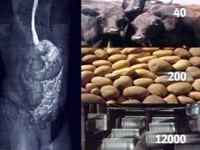
In a life of 75 years, the gut comes into contact with 30 tonnes of solid food. In that time our gut digests on average:
- 40 cattle
- 200 sacks of potatoes
- 11,764 tins of “peas and carrots”
It washes all this down with about 50,000 litres of fluid. That corresponds to the capacity of a small swimming pool.
A good diet is without doubt a prerequisite for good health. But it is not enough on its own. We must also be able to digest the food, break it down into usable components and absorb it through the intestinal mucosa. Without these prerequisites, even a nutrient-rich and balanced diet is of little use.
Most foods are of no use to us in their natural form. We have to break them down in the digestive tract to the point at which our organism recognises them as a possible component of itself. This final phase of digestion takes place on the intestinal mucosa itself. It is a very complex process, because the mucosa must be able to distinguish between good micronutrients and bad toxins.
The path of food
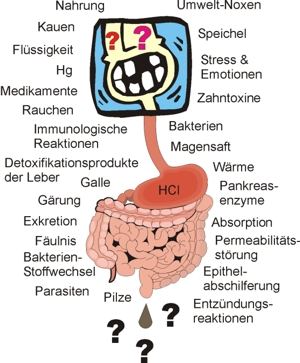
- Mouth: Digestion begins with chewing and mixing the food with saliva. With the saliva comes the first contact with our immune system, which locates and destroys bad bacteria even before they enter the organism.
- Stomach: This is where what we usually understand by digestion begins. Up to two litres of gastric juice a day, made up of hydrochloric acid and various enzymes, begin to break down fats and proteins. Just as important: the stomach contents are disinfected as if in a quarantine airlock. Stomach acid also helps with the absorption of certain vitamins and trace elements.
- Liver, pancreas and small intestine produce 2 to 3 litres a day of an alkaline digestive juice, which passes into the upper small intestine. It contains countless further enzymes that break down protein, fats and starch.
- Small intestine: This is where most of the food components that are usable for us are absorbed.
- Large intestine: What is left over, including the dietary fibre, passes into the large intestine, where the extremely intensive metabolism of our 100,000,000,000,000 gut bacteria sets in. They continue the digestion, but in their own way. Dietary fibre, cellulose and further undigested carbohydrates, proteins and fats are processed partly into useful and partly into toxic substances. The useful ones are above all the short-chain fatty acids, an important source of energy for the mucosa of our large intestine.
If digestion is poor and incomplete, or if there is even an advanced intestinal disorder and abnormal colonisation, a wide variety of acute and chronic diseases can arise from this. Usually it is a combination of several disorders that reinforce one another. In the long term, diseases can also be triggered or made worse that at first sight have nothing to do with the gut, such as skin rashes, chronic fatigue or rheumatism.
How long foods stay in the stomach
How long the stomach contents remain depends, among other things, on the “thickness” (viscosity) of the food. No further food should be eaten until the stomach has emptied completely, because this can lead to increased putrefaction processes.
| Food | Time in the stomach in hours |
|---|---|
| Sardines in oil | 8 - 9 |
| Roast poultry Roast pork | 5 - 7 |
| Roast veal Beef Smoked meat Peas Lentils Sliced green beans | 4 - 5 |
| Boiled poultry Ham Beefsteak Spinach Dark bread Fried potatoes | 3 - 4 |
| Potatoes Scrambled egg Bread rolls Cream | 2 - 3 |
| Boiled fish Boiled milk Soft-boiled egg Rice | 1 - 2 |
We are not alone: the gut flora
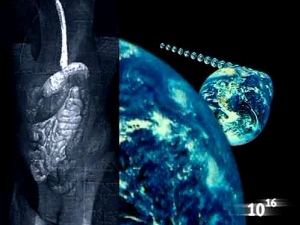
The gut provides a habitat for more than 400 different species of bacteria. Their number is 1600 times the number of people on our planet; the intestinal tract alone harbours 1 to 3 kilograms of bacteria.
Anyone who believes that their body is a closed, uniform and “sterile” system set apart from the living environment is being deceived by their coarse sensory perception. In truth we are “open systems”, networked with the world of microbes (viruses, bacteria, fungi, parasites) in a dynamic that is hard to imagine, and indeed so dependent on certain of them that without them life in the form we know would not have been possible at all.
Over the past millions of years, a coexistence has developed between humans and microbes that is astonishingly constant and stable and should be left as undisturbed as possible. This fundamental principle of evolution is symbiosis, the living together of different life forms for mutual benefit. In humans it finds its strongest expression in the intestinal tract, with its contact surface of almost 400 m², the size of a tennis court (the skin: about 1.7 m²).
It is remarkable that, out of the incalculable number of genera and species of germs, only very particular ones were selected for humans. It is always the same main groups of bacteria that are found in the gut, regardless of whether one was born in Siberia or in Australia. This gives an idea of the immense importance of this flora for our health. Unfortunately, we are finding disturbances of this flora more and more often today, and bitter experience so far shows that they can profoundly impair our health.
“Good” and unwanted bacteria
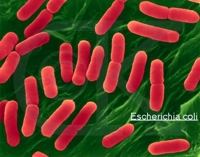
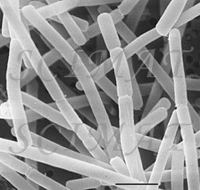
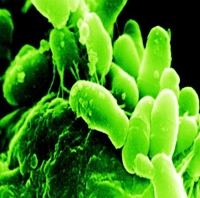
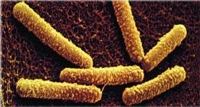
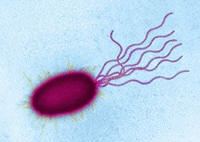
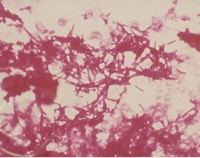
The gut bacteria and their significance for health
| Bacterium | 1 | 2 | 3 | 4 | 5 | 6 | 7 | 8 |
|---|---|---|---|---|---|---|---|---|
| E.Coli | ● | ● | ● | |||||
| E. coli haemolyt. | ● | ● | ||||||
| Proteus & Klebsiella | ● | ● | ● | |||||
| Enterococci | ● | ● | ● | |||||
| Pseudomonas | ● | ● | ||||||
| Streptococci | ● | ● | ||||||
| Bacteroides | ● | ● | ||||||
| Bifidobacteria | ● | ● | ||||||
| Lactobacilli | ● | ● | ● | |||||
| Clostridia | ● | ● | ● | ● | ||||
| Fungi | ● | ● | ● | ● |
- 1: stimulate the body’s defences
- 2: inhibits the immune system, breaks down IgA
- 3: inhibit pathological bacteria and fungi
- 4: neutralise bacterial toxins
- 5: possible cause of infection outside the gut
- 6: toxins place a burden on the gut, liver and brain
- 7: formation of carcinogenic substances
- 8: may produce large quantities of hydrogen and carbon dioxide (bloating, cramps) or putrefaction products, depending on the substrate available and the pH of the surroundings
The gut bacteria and their properties
| Bacterium | 1 | 2 | 3 | 4 | 5 | 6 | 7 | 8 | 9 | 10 | 11 | 12 | 13 | 14 |
|---|---|---|---|---|---|---|---|---|---|---|---|---|---|---|
| E.Coli | ● | ● | ● | ● | ● | ● | ||||||||
| E. coli haemolyt. | ● | ● | ● | ● | ● | ● | ||||||||
| Proteus & Klebsiella | ● | ● | ● | ● | ● | ● | ● | |||||||
| Enterococci | ● | ● | ● | ● | ● | ● | ||||||||
| Pseudomonas | ● | ● | ● | ● | ● | |||||||||
| Streptococci | ● | ● | ● | ● | ● | ● | ||||||||
| Bacteroides | ● | ● | ● | ● | ● | ● | ● | |||||||
| Bifidobacteria | ● | ● | ● | ● | ● | ● | ||||||||
| Lactobacilli | ● | ● | ● | ● | ● | ● | ||||||||
| Clostridia | ● | ● | ● | ● | ● | ● | ● | |||||||
| Fungi | ● | ● | ● | ● | ● | ● | ● |
- 1: require oxygen
- 2: do not require oxygen
- 3: indispensable inhabitant of the large intestine
- 4: indispensable inhabitant of the small intestine
- 5: pathological inhabitant of the large intestine
- 6: contributes to colonisation resistance
- 7: colonisation resistance disturbed
- 8: utilisation of protein
- 9: utilisation of carbohydrates
- 10: utilisation of fat
- 11: form short-chain fatty acids
- 12: pH neutral
- 13: lower the pH, acidify the milieu
- 14: raise the pH, alkalise the milieu (putrefaction)
What the gut flora does for us
- Building up and maintaining a microbial barrier against foreign germs
- Promoting the metabolism and blood supply of the intestinal mucosa
- Influencing the immune system
- Stimulating intestinal motility
- Sealing the intestinal wall against bacterial invasions
- Production of vitamins (B12, biotin, folic acid, pantothenic acid, precursors of vitamin K and others)
The normal gut flora forms a microbial barrier against the settlement and multiplication of disease-causing pathogens such as salmonella. This defensive strength is called “colonisation resistance”; it expresses how many foreign germs are needed to trigger an infection in the gut. An observation that is as interesting as it is worrying: in the 1960s, at least 100,000 germs were needed for a salmonella infection. Today it takes only 100!
How do the bacteria fend off the intruders? They occupy the possible attachment sites on the intestinal wall (niche occupation). They produce natural antibiotic substances, such as short-chain fatty acids, degraded bile acids, hydrogen sulphide and hydrogen peroxide. They compete for nutrients, vitamins and other growth factors, use up the sought-after oxygen themselves and lower the pH of the milieu by releasing lactic acid and acetic acid from carbohydrates. This acidification also prevents putrefaction processes and the absorption of toxins such as ammonia from protein digestion. The more pathological the metabolism in the gut, the more the organism is flooded with toxic products, which the liver, as the first filter station, has to render harmless.
For its energy balance, the mucosa of the large intestine depends on the short-chain fatty acids produced by the resident flora. Acetic and butyric acid above all cover up to 50 per cent of its energy requirement. They also stimulate bowel movement and promote the absorption of important trace elements. The beneficial effect of dietary fibre is also attributed to this: in laboratory animals raised germ-free, dietary fibre has practically no effect.
The immune system of the newborn experiences its first intensive contact with the microbial world via the gut. It is the most important first stimulus for our defences and has an effect throughout life: about 80 per cent of the immune system is found in the small and large intestine. It is only thanks to this constant immune training that not every trivial cold puts us in danger.
The germ or the milieu?
The scientist Claude Bernard (1813 to 1878) held the conviction: “No, gentlemen, the microbe is nothing. The breeding ground is everything.” Louis Pasteur (1822 to 1895), by contrast, held the microbe alone responsible for the development of a disease. Who was right? Both, but only together. It is always the dynamic interaction between the milieu and the germ. The microbe produces a disease, and every disease brings forth its microbes. The balance between milieu and microbe decides between friendly symbiosis and hostile dysbiosis.
When the balance tips: dysbiosis


What favours dysbiosis, a damaged gut flora, is for the most part a product of our civilisation and of the belief that our actions are superior to nature. Many medicines are not only a blessing for humanity, they also impair the natural coexistence with our fellow inhabitants in a worrying way.
Possible causes
- Medicines: antibiotics (above all repeated courses), cytostatics, the contraceptive pill, immunosuppressants, cortisone and acid suppressants (stomach acid also serves to disinfect the food pulp!)
- Poor diet, food allergies
- Malabsorption syndromes, weakness of the pancreas
- Chronic constipation, irritable bowel, inflammation of the bowel
- Organic changes to the intestinal wall such as diverticulosis or fistulas, the condition after surgical procedures (the appendix, as an organ, prevents pathological bacteria from rising out of the large intestine into the small intestine!)
- Infections with bacteria, viruses, fungi, parasites
- Environmental influences: heavy metals (lead, cadmium, mercury from amalgam), pesticides, chemicals, colourings and preservatives, fungal toxins (aflatoxins), X-rays and other ionising radiation
- Immune diseases and immune deficiency: AIDS, cancer, autoimmune diseases, multiple sclerosis, arthritis
- Stress, normal ageing, poor hygiene
Antibiotics save lives, but their side effects must not be neglected. Because the gut flora is fundamentally stable, antibiotics can be used in the short term without consequences where the indication is correct and compelling. It becomes dangerous with repeated courses of different and broad-spectrum antibiotics (“if one does not help, we will try another”). In hospitals above all, the associated development of resistant germs is feared. These “hospital germs” do not arise in the damp niche by the washbasin, but in the gut of the patients!
Possible consequences
- Deficiency of vitamin B12, biotin, folic acid, pantothenic acid and precursors of vitamin K
- Digestive disorders, fatty stools
- Irritable bowel with bloating, cramps and slimy discharges
- Inflammations of the bowel
- Joint inflammation
- Psoriasis, acne, atopic dermatitis
- Chronic fatigue syndrome
- Migräne
- Colon and breast cancer
Further possible connections:
- Bacteria, disturbed gut flora
- Surface structures similar to those of our organs
- Autoimmune processes (“molecular mimicry”)
- Rheumatism, diabetes, meningitis, thyroid disease, ulcerative colitis and lupus
- Autoimmune processes (“molecular mimicry”)
- Surface structures similar to those of our organs
- Bloating
- Diaphragm pushed upwards
- Displacement of the heart
- Localised reduction in blood flow in the coronary vessels
- Angina pectoris or cardiac arrhythmias.
- Displacement of the heart
- Diaphragm pushed upwards
What the pH of the stool reveals
The pH of the stool is an important indication of the state of the milieu in the gut. What matters above all are lactic and acetic acid, which neutralise the toxic alkaline metabolic products, in particular those of the clostridia and the Proteus bacteria. To neutralise one unit of “toxin”, 10 units of lactic and acetic acid are needed!
High, alkaline pH (above 6.5):
- Lack of short-chain fatty acids
- Dysbiosis
- Lack of stomach acid
- Constipation with a risk of poisoning of the body from the gut
- The gut’s detoxification capacity may be overstretched
Low, acidic pH (below 5.5):
- Of hardly any significance
- Rarely abnormal bacterial colonisation
- Disorder of carbohydrate absorption
- Intestinal transit too rapid
In the case of complaints such as burning at the anus during bowel movements or soreness, the carbohydrates may need to be reduced.
Lack of stomach acid: heartburn is not always too much acid
Heartburn need not be a sign that there is too much stomach acid. On the contrary: heartburn mostly occurs in old age, at the time when the normal production of stomach acid declines. Digestion then deteriorates, and the food remains in the stomach for longer. In this way a little acid may get into the oesophagus, and even this small amount can be very unpleasant there.
Treatment: If there is damage to the mucosa, acid suppression is necessary. If that is not the case, digestion must be supported. Acid blockers do exactly the opposite! Warming spices such as ginger or pepper are beneficial and should be used generously. Stomach acid replacement preparations can also be taken. Chronic heartburn that occurs independently of meals needs specialist medical care in the longer term.
Signs of a lack of stomach acid
- Bloating in the upper abdomen and a feeling of fullness directly after a meal
- Diarrhoea or constipation
- General physical reactions after eating
- Anal itching
- Fingernails weak, flaking or split
- Widened capillaries of the cheeks (“rosy cheeks”)
- Acne in adulthood as well
- Iron deficiency
- Chronic gastrointestinal infections, parasites, fungi
Diseases associated with a lack of stomach acid
- Adrenal weakness
- Asthma
- Coeliac disease
- Immune diseases
- Skin diseases
- Diabetes
- Allergies
- Gallbladder diseases
- Stomach cancer
- Inflammations of the stomach
- Thyroid disorders
- Hepatitis
- Osteoporosis
- Anaemia
- Psoriasis
- Urticaria
- Vitiligo
From a patient’s letter
“Thanks to your medicine Stomach Digest, I have had no more problems with excess stomach acid or its symptoms for 2 years and have been able to live without expensive medicines such as stomach acid blockers, which never really helped anyway. At the same time I am writing to my health insurer to ask why your product is not covered by it, although it would actually have saved a great deal of money.”
Bacterial overgrowth of the small intestine
One abnormal colonisation of the stomach that is well known today is the bacterium Helicobacter pylori, which is being found more and more often and is linked to the development of stomach ulcers. It can easily be detected by gastroscopy or in the stool.
Examining the small intestine, by contrast, is still a challenge even today. With gastroscopy one reaches at most the uppermost section (duodenum); the remaining 5 to 6 metres stay hidden. Yet it is precisely in the small intestine that the actual digestion and absorption of our food, our “means of life”, takes place, which requires a healthy milieu. Normally hardly any microorganisms are to be found there, because stomach acid destroys most bacteria (beware of acid suppressants!). If they nevertheless multiply in the small intestine and develop an appreciable metabolism there, this can lead to various health disorders.
Symptoms
- Abdominal cramps, bloating, diarrhoea
- Fatty stools (bile acids are split by bacteria)
- Typical: complaints shortly, about one hour, after eating
- Enzyme preparations bring no relief
- Intolerance of carbohydrates and dietary fibre
- Anaemia (bacteria split vitamin B12)
- Weight loss (gases prevent the necessary intensive contact of the food with the mucosa)
- Symptoms of an excess of oestrogen such as premenstrual disorders or an increased risk of breast cancer (bacteria cause more of the excreted oestrogen to be reabsorbed)
- Joint inflammation
- Chronic fatigue
- Osteoporosis
- Vitamin K deficiency
- Risk of bowel cancer (formation of toxic nitrosamines)
Causes
- Too little stomach acid
- Chronic inflammation of the pancreas with underactivity
- Milk sugar intolerance (lactose intolerance)
- Unbalanced diet, fast food, junk food
- Diabetes
- Immune deficiency (above all IgA deficiency in the gut)
- Slowed bowel movements (the bacteria are transported downwards too slowly, or have time to “migrate upwards”)
- Chronic inflammations of the bowel such as Crohn’s disease, ulcerative colitis
- Age
- Radiotherapy
- Parasites
- Abdominal operations with adhesions
- Autoimmune diseases such as scleroderma, lupus erythematosus
- Chronic skin conditions
The breath test
The principle of this non-stressful method: bacteria can break down certain types of sugar. The breath gas test measures hydrogen and methane, which, where there is bacterial overgrowth in the small intestine, can be produced by the bacterial breakdown of lactulose, a sugar that humans cannot digest.
| Result | Meaning | Treatment / consequences |
|---|---|---|
| High hydrogen and methane excretion | Bacterial overgrowth Lack of stomach acid? Slowed intestinal transit? Anatomical changes such as adhesions, tumours etc.? | Antibiotic treatment Citrus seed extracts Garlic Orthomolecular silver Low-carbohydrate and low-sugar diet Vitamins A, B12, folic acid, glutamine, zinc, essential fatty acids and others |
| Low hydrogen and methane excretion | No bacterial overgrowth | Lactose intolerance? Food allergies? Diarrhoea? Antibiotic therapy? Laxatives? |
The permeable small intestine
Our small intestine, with its active surface, is the actual zone of contact with our environment. The mucosa and the intestinal wall, as thin as an eyelid, have an enormously important but also vulnerable dual function: they make it possible to absorb our vital nutrients, and they must protect us from harmful contents. The small intestine contains, above all in its lower sections, plenty of bacteria as well as metabolic and breakdown products that can make us ill if we absorb them. Both functions, absorption and sealing, can be disturbed individually or together.
Increased permeability of the small intestine (intestinal permeability) inevitably burdens our organism with inflammation-promoting molecules and bacteria. This condition is promoted above all by inflammatory changes in the mucosa of the small intestine, by food intolerances, by the continuous use of certain medicines, above all anti-rheumatic drugs, and by recreational toxins such as smoking and alcohol. This can become a vicious circle, for instance when a food intolerance increases the permeability, which in turn promotes the intolerance.
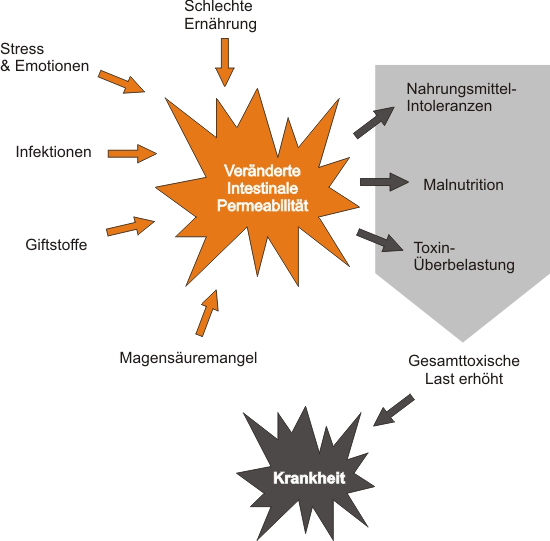


| Normal mucosa | Destroyed mucosa |
|---|---|
| Villi intact = Large absorption surface for healthy food Gaps closed = Undigested and poorly tolerated food stays outside. | Villi reduced = Poor absorption of healthy food Gaps widened = Undigested and poorly tolerated food can get in unfiltered. |
Diagnostics
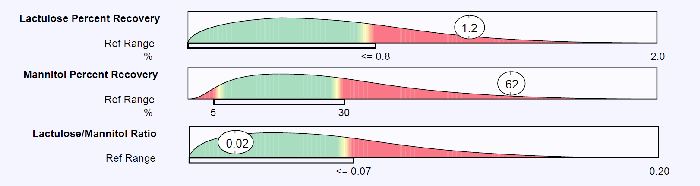
The analysis of small intestine permeability measures how well two types of sugar that cannot be metabolised and that differ in size cross the intestinal mucosa: lactulose and mannitol. The “large” lactulose is normally absorbed only a little, but more so when the mucosa is pathologically altered. It therefore shows how intact the mucosa and the connections between the cells are. The comparatively “small” mannitol is easily absorbed through the villi and serves as a marker of normal absorption.
For the test, the patient drinks a set amount of lactulose and mannitol. What is measured is how much of these sugars is excreted in the urine in the following hours. You carry out the test yourself at home.
Treatment
- Leaving out the foods for which an intolerance has been demonstrated
- Avoiding irritating medicines such as anti-rheumatic drugs
- Promoting the normal gut flora
- Supporting digestion with enzymes
- If need be, additionally ruling out lactose intolerance (milk sugar)
- L-glutamine (amino acid)
- Unsaturated fatty acids
- Zinc, selenium
- Pantothenic acid, vitamin C, E, A, beta-carotene
- Glycyrrhiza (liquorice), aloe vera, Ginkgo biloba
Candida and other fungi in the gut
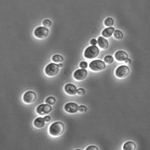
A significant health problem of our time is the increase in diseases that are caused by fungi or go hand in hand with them. In recent decades yeasts above all have gained in importance, among them primarily the genus Candida. Yeasts are today the most common and most aggressive causes of fungal diseases. The widespread use of antibiotics and immunosuppressive treatments (cortisone!) promote yeast infections, as does a weakened defence against infection in chronic diseases, tumours or advanced age. A diet rich in sugar and carbohydrates also plays a not inconsiderable role. The gut serves as the reservoir for fungi.
Possible symptoms of illness
- Headaches
- Poor concentration
- Psychological disorders
- Chronic fatigue
- Muscle weakness
- Rheumatism
- Attacks of dizziness
- Heightened sensitivity to smells
- Eczema conditions
- Itching in the anal region, vagina
- Discharge
- Poorly healing wounds
- Athlete’s foot
- Urinary tract complaints
- Gastrointestinal complaints
- Allergies
If “merely” fungal colonisation of the gut is found, this does not automatically mean that a fungal disease is present. The finding should nevertheless be questioned, because it points to another disorder or abnormal colonisation of the flora in the digestive tract. It would be wrong to have only the fungus in one’s sights without treating the barrier function of the gut and the condition of the host. Even so, it makes sense to eliminate certain yeasts and moulds, because they burden the body with toxins, other metabolic products and possible allergens.
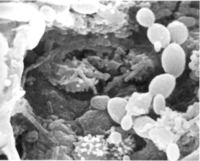
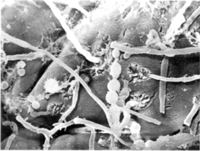
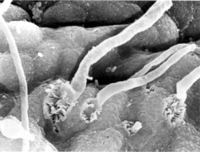
Fungi cannot be “eradicated” by diet alone
Like all fungi, yeasts need an organic source of carbon. Most easily accessible to them are simple sugars such as glucose and fructose, which they ferment into alcohol. The more sugar is available to them, the better they thrive; in a single night they can double their number several times over. What is decisive is an excessive supply of usable carbohydrates: sugar of all kinds, honey, sweets, chocolate, sweetened drinks, flour-based dishes, rice, pudding, jelly and jam.
Nevertheless, dietary measures are anything but uncontroversial. Antimycotics (antifungal agents) only work when the fungi are dividing. If one tries at the same time to starve them out with an antifungal diet, they rest and are spared by the medicine. Yeasts and moulds are, moreover, outstanding survival artists, and every diet still contains traces of carbohydrates. More recent studies even indicate that a severe lack of carbohydrates positively stimulates Candida albicans to change into the invasive filamentous form in order to open up new “sources of food”. The widespread “anti-candida diet” is therefore to be rejected in principle.
Its place should be taken by a simply “healthy”, wholefood diet with dietary fibre. It is important to clear out the yeast nests with plant fibres. Vegetables and salads can also be given finely chopped for this purpose. Particularly beneficial are sauerkraut raw and cooked, all types of cabbage, broccoli, savoy cabbage, celeriac, carrots, leeks, asparagus, green beans, crispbread, wholemeal rye bread, rolled oats and wheat bran.
Further treatment strategies
- Causal therapy: treat the underlying disease (gut? liver? diabetes?). If necessary, antimycotics in the short term, then rebuild the protective flora in the gut. Colon hydrotherapy.
- Oral cavity: All efforts to get the gut free of fungi are in vain if the oral cavity, carious teeth, tartar, gum pockets and dentures are forgotten as a reservoir of fungi. Remedy: change the toothbrush often, restoration of oral hygiene, dentist, removal of fungi from the dentures. Besides antimycotics that are effective against yeasts, such as nystatin or amphotericin B, fungicidal mouthwashes are also suitable.
- Amalgam likewise promotes fungal growth. Sometimes the fungi can only be eliminated successfully after the amalgam fillings have been dealt with.
- Suitable clothing: no synthetics, underwear that can be boil-washed.
- Cosmetics: no allergenic soaps, deodorants, bubble baths, fabric softeners, intimate sprays, no tampons. Dry body powder is good.
- Treat the partner as well, to avoid a “ping-pong infection”. Stop ovulation inhibitors. Reservoirs of fungi: pressure points caused by a pessary.
- Non-specific stimulation: exercise, breathing, air and sun, sea baths or brine baths.
- Specific stimulation: increasing resistance by autologous blood injection.
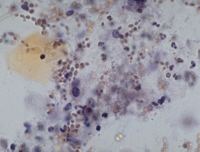
Further fungi in the gut:
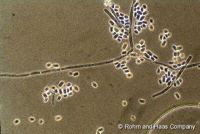

Gut flora and body weight
Bacteroidetes and Firmicutes are the main bacterial colonisers of the intestinal tract. The ratio of the two groups is related to body weight: in slim people the ratio of Firmicutes to Bacteroidetes is about 4:1, in overweight people about 8:1. The stool of slim people also contains more residual energy and fewer breakdown products of long-chain carbohydrates. So they really do exist, the good and the poor converters of food!
The key is the Firmicutes. Various members of this group can break down long-chain carbohydrates, for example indigestible dietary fibre. They do it for themselves, but at the same time make the resulting short-chain carbohydrates and fatty acids available to their host as additional food. In the animal model, animals with a larger proportion of Firmicutes absorb 8 to 10 per cent more energy from the same food. Applied to humans, at 2300 kcal per day that is about 200 kcal extra, which in the long term is reflected in body weight.
The “Firmicutes Ratio” test measures this ratio and thus a possible cause of overweight. It is indicated:
- In cases of unexplained weight gain, for example after antibiotic therapy
- When losing weight does not succeed despite a “healthy diet”
- As part of our holistic nutritional counselling
Assessment: the comprehensive stool analysis
The “Basic gut profile” is an important examination for everyone who suffers from chronic digestive and intestinal disorders. It assesses a wide variety of parameters:
- Bacteria: good and bad, putrefactive and fermentative flora
- Fungi
- Digestion and absorption
- IgA immune status
- Stool pH
The digestive system must not only absorb food adequately, it must also prevent toxic molecules from entering the organism. Malfunctions in these areas can promote the development of diseases. Acid suppressants, laxatives or remedies for diarrhoea only suppress the symptoms and do not treat their causes. The comprehensive stool analysis provides detailed information on this.
In addition to digestive and absorptive performance, the gut flora is examined: the concentration of health-promoting bacteria such as lactobacilli and bifidobacteria, which protect against dysbiosis, as well as burdensome bacteria and yeasts such as Candida albicans. To make treatment easier, the possible disease-causing germs are automatically tested for what they are sensitive to, both medicines and natural substances.
Depending on the question, the breath test for bacterial overgrowth of the small intestine, the analysis of small intestine permeability and the “Firmicutes Ratio” test are added; they are described in the sections above.
What helps the gut
Wherever possible, the causes must be identified and remedied. Depending on the type of abnormal colonisation, a short course of antibiotics may be necessary; thanks to the other options of functional medicine, however, it is a rare exception. The most important measures:
- Chewing well
- Changing to a healthy, wholefood diet that is kind to the gut flora
- Dietary fibre, wheat bran
- Regulation of bowel movements
- More exercise in the fresh air, a healthy way of life
- Bacterial preparations that build up the gut flora (probiotics with lactobacilli, bifidobacteria and coli bacteria)
- Healthy yeasts such as Saccharomyces boulardii
- Colon hydrotherapy (see the page Colon Hydrotherapy)
- Digestive enzymes and, if required, replacement of stomach acid
- Garlic, bearberry
- Antifungal agents in the case of fungal infestation
- Stimulation of the immune system
- Leaving out allergenic foods and medicines that burden the gut (not without the doctor!)
A diet that is kind to the gut flora
- Pan-fried dishes should only be fried lightly, and the fat should not be overheated. Food fried dark and fat heated to a high temperature promote the flow of bile. Because some gut bacteria utilise bile, the resulting breakdown products can trigger diarrhoea.
- Fats: good, cold-pressed vegetable oils such as corn germ, groundnut or sunflower oil (rich in unsaturated fatty acids), stored in a cool place. Heated oils are practically worthless for health. Butter is well tolerated but not suitable for frying; browned butter is not advisable. A piece of fresh butter over cooked vegetables improves the taste and supplies easily tolerated fat. Avoid hardened fats (margarine), because utilising them takes a lot of bile; unhardened vegetable margarine from the health food shop is permitted. Use fats sparingly in general and preferably add them only after cooking, for example as a salad dressing.
- Vegetables should be eaten mainly steamed or boiled. Raw vegetables, especially when they are woody, cannot be broken down by the digestive juices; only the putrefactive flora in the lower section of the gut digests these coarse parts of plants, and large quantities of gas arise from the carbohydrates, which lead to bloating. Cooked vegetables, by contrast, are a form of dietary fibre that is gentle on the gut. Some types of cabbage cause bloating even when cooked; cauliflower is the best tolerated. A proportion of raw food is nevertheless to be recommended, for instance leaf salads (round lettuce, lamb’s lettuce, endive and chicory), which contain no woody parts. The proportion of raw food depends on the individual’s digestive strength.
- Fruit may be eaten raw or cooked, according to taste and tolerance. It is free of components that are hard to digest, with the exception of bananas, which can cause bloating because of their high content of ungelatinised starch and are therefore preferably eaten steamed. Raw apples are sometimes poorly tolerated and should be grated if possible.
- Drinks: everything that is free of sugar and sweetener. Avoid diet juices and diet lemonades, because they may contain sorbitol, which causes severe bloating. Avoid coffee and alcohol as far as possible; out of consideration for the bile and the pancreas, small amounts are permitted. Alcohol speeds up the passage through the stomach, at the expense of pre-digestion. Hard spirits are forbidden.
- Cereals: fresh-grain porridges (soak for a few hours before eating) and coarsely ground wholemeal bread according to tolerance; like raw vegetables, they can only be broken down by the putrefactive flora. Fresh-grain porridges also carry bacteria and fungi foreign to the body, which multiply even in the refrigerator. Fine wholemeal bread made from wholemeal flour contains no coarse parts and is to be recommended as a gut-friendly source of dietary fibre. For muesli, soak the cereal (preferably rolled oats) in the refrigerator for at least a few hours; natural yoghurt or cream, grated nuts, seeds or kernels (chew well!) are permitted. No white flour products.
- Rice and potatoes are among the most gut-friendly sources of dietary fibre and are as a rule well tolerated even in severe disorders. Brown rice according to tolerance. Potatoes are versatile and are an excellent source of protein, carbohydrates and minerals. Chips only to a limited extent (too much fat and too many roasting products).
- Meat: prefer tender kinds. Coarse-fibred meat is merely crushed during chewing and therefore only partly digested; the rest is metabolised by the putrefactive flora. To be avoided: mutton, game, coarse-fibred pork and beef. Permitted: veal, young beef, chicken, turkey. Use little fat. Meat and fish no more often than three times a week.
- Dairy products according to taste and tolerance (allergies, bloating). They are to be recommended as a valuable source of protein and minerals.
- Sweetening: only a little pure natural honey, fruit juice concentrates, maple syrup.
- Salt: little, only sea salt or herbs.
Despite these restrictions, you can make your meals tasty. Only food that tastes good and is eaten with enjoyment promotes the flow of the digestive juices and so makes good use of the food possible. Take your time over eating! In haste and tension, the digestive juices flow only inadequately. The food is then poorly broken down and insufficiently disinfected by the stomach acid, which leads to bacterial overgrowth of the small intestine. Chew for long enough: in doing so you increase the surface area of the food, and through thorough mixing with saliva digestion begins already in the mouth. Only a little should be drunk with meals, so that the digestive juices act at full concentration; drinking is done between meals. And bear in mind: our body as a rule needs considerably less food than is often assumed. Spare your organism excessive digestive work and overfeeding!
Muesli for regulating the bowel in constipation
- 1 pot of natural yoghurt
- 3 tablespoons of wheat bran
- 1 tablespoon of linseed
- 1 tablespoon of rolled oats
- 2 dried figs, finely chopped
Wait 24 hours (store in the refrigerator!) and eat in the evening. The muesli can be thinned with a little milk and its taste improved with fruit; bananas and apples are forbidden here.
Diet in inflammatory bowel diseases
- Abstention from food for 2 to 3 days; with haematocrit values above 40 per cent, fasting can continue for longer. In this phase there is only herbal tea, 1 to 2 litres daily as very weak camomile, peppermint or fennel tea, plus about 0.5 litres of Breuss juices.
- Slow build-up with an alkaline soup: cut celery, green beans (instead of beans, lentils or potatoes if need be) and courgettes in equal parts into medium-fine pieces and simmer gently for 10 to 20 minutes. Strain off the vegetables; only the broth is drunk, 3 to 5 dl in the morning, in sips.
- After 3 to 6 days mashed potato, carrot soup, if need be hard bread rolls, which must be thoroughly mixed with saliva, or, with caution, soured milk products, also oat soup.
- Slow build-up of the diet, always predominantly alkaline and at least initially without meat; an alkaline powder is usually given alongside.
- After about a week raw food, which is kept up for a longer period, above all finely grated carrots, whose high content of beta-carotene has an anti-inflammatory effect.
- All pork products remain forbidden, because of the allergens, the histamine and the adrenaline-like substances they contain, and in order to reduce the putrefactive flora.
- Refined sugar and all foods containing sugar remain forbidden, in order to reduce the pathological Candida flora, which is usually chronically present in diverticulitis.
- Sufficient magnesium intake.
Bowel cleansing with enemas: initially up to twice daily half a litre, at body temperature, usually camomile tea or a detoxifying tea blend of fennel, aloe and juniper; if need be colon hydrotherapy. In severely inflammatory cases such as ulcerative colitis or Crohn’s disease, enzyme therapy should be carried out in addition.
Symbiosis: a principle of nature
From an article by Dr. med. JvLS for Vitasuisse, 2004.
Right at the beginning of the Bible stands the well-known saying: “It is not good that the man should be alone.” This necessity of belonging together applies not only to the world we perceive, but to practically all levels of being, on the large scale as on the microscopically small. Millions of years ago, bacteria already joined with the primordial cells and so made photosynthesis possible, the utilisation of oxygen and light. It is also assumed that the ossification of the fish skeleton, and with it the ability to conquer the land, is owed to a symbiosis with calcium-utilising germs.
With every breath, 100,000 bacteria enter the lungs, and the skin and mucous membranes are strewn with germs of varying origin. Conventional medicine still holds the view that the blood is sterile. This view, too, has begun to waver since chlamydia were found in arteriosclerotic changes to the vessels. The danger of infection of damaged heart valves after dental procedures is also well known. Evidently the spread of bacteria in the blood also occurs in healthy people. With dark-field microscopy according to Enderlein, moreover, further life forms can be recognised in unstained fresh blood, the significance of which cannot yet be assessed in detail.
The principle of living in community reaches deeper still, right into our personal blueprint, the chromosomes. Over the last 30 million years, viruses have developed an incredible ability to smuggle themselves into our cells. To do so they use certain docking sites on the cell surface, the integrins. It is remarkable that the same receptors are meanwhile also used for other important vital functions: for healthy wound healing, bone growth and even embryonic development.
Various viruses, once we are infected, we carry within us for life, for instance herpes, hepatitis, Epstein-Barr or measles viruses. Certain viruses can also smuggle their genetic material into cells that later become egg cells and sperm. The offspring then carries this viral information in every single one of its cells and passes it on to its children. So it is not surprising that about 3 per cent of our genetic material consists of viral genes. In addition, a viral enzyme has been discovered, reverse transcriptase, which is repeated so often in our genome that it makes up about 15 per cent of our chromosomes.
Evidently we must get used to the idea that just under 20 per cent of our genetic make-up consists of viral components and that we carry more bacteria within us than cells of our own body. Are they stowaways in our organism, or part of a gigantic plan of nature whose purpose we do not yet understand? And who knows, perhaps symbiosis will one day reveal itself as the actual model, as the engine and goal of evolution, on the large scale as on the small, entirely in keeping with the saying: “Love your neighbour as yourself.”
Mayr cure
“Whoever wishes to stay strong, healthy and young should be moderate, exercise the body, breathe pure air and heal his ailments by fasting rather than by medication.” Hippocrates 460 to 370 BC
It cannot be emphasised enough how fundamentally important the cleansing of the body’s fluids and cells is for recovery and health. Our body is accordingly equipped with a rich arsenal of detoxification mechanisms. The lungs breathe out the harmful carbonic acid and other gaseous breakdown products, the kidneys filter off the toxins that can be excreted in the urine, and the skin also eliminates waste deposits through skin respiration (perspiration) and sweat. The gut cleanses by excreting solid waste. This consists of food residues that have remained unused, the secretions of intercellular metabolism that stem from the cleansing of the blood, the gut bacteria and cells of the mucous membrane. However, the gut is also responsible, as an organ of absorption, for taking up the necessary nutrients and is, so to speak, the soil for us “human plants”. If the soil is poor, we will not thrive, or will even fall ill. Our basic state of well-being is severely disturbed.
How do we know whether our gut is working properly?

The stools produced by a healthy digestive system should have the following characteristics: sausage-shaped, with rounded ends, and smooth on the surface owing to a coating of mucus. Because it contains no gas and no excessive fat, the stool sinks in water and has only a slight characteristic odour. It must smell neither strikingly foul nor sour (a sign of putrefaction in the gut). Passing the stool should not soil the anus, just as infants and small children remain unsoiled after passing a stool into the nappy. The consumption of toilet paper is a measure of the digestive damage within us and of our “civilised” society. Healthy animals do not soil themselves when passing stools either. This is how the vet recognises a disease of the gut!
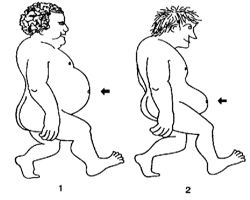
When the gut is sluggish, food remains in the gut for too long. We always pay attention to the use-by dates on food packaging. Who cares if the food stays even longer in our gut.... And the temperature there is not that of a refrigerator but that of an incubator! Meat, sausage, fish, fruit salad etc. spoil, are decomposed and can become so toxic that, in the form of an injection, they are capable of killing a laboratory animal. In us they lead to irritation of the mucous membrane, formation of gas, distension of the abdomen and flatulence, especially when blockages occur in the onward transport of the food pulp and the mixing with digestive juices, which digest and prevent spoilage, is disturbed. The belly can be hard and taut like a drum (gas belly, Fig. 1) or flabby and hanging down (faecal belly, Fig. 2).
Unfortunately, in contrast to many other diseases, chronic functional disorder of the gut remains silent for a long time, provided one ignores, or “remedies” with medication, symptoms such as belching, heartburn, a feeling of fullness, flatulence, stool problems, but also (when the toxins enter the bloodstream) headaches, dizziness, mouth, sweat and body odour, low mood, rheumatism, exhaustion, heart complaints, and so on.
Fasting
It goes without saying that the car has to be serviced every 10,000 km. For that we spare hardly any effort, time or money. What about our health? We go on holiday, and out of boredom and because of the heat we lie around or drink beer, eat ice cream and nibble sweets, drink coffee and help ourselves generously at the lavish buffet. No, this is not a recovery for the organism, at most (and even this rather rarely) for the soul. Anyone who also wants to recover in terms of health must seriously consider the possibility of a fasting cure. When we are ill, we have no appetite either. The body cannot cope with the additional burden of digestion. Voluntary abstention from food for a limited time holds an incredible healing power. There is hardly a major religion that does not recommend that its believers cleanse body and soul every year by fasting. Fasting is the prevention of disease par excellence. Fasting is not to be confused with “starving”. The latter denotes a harmful undersupply of nutrients, for example through hunger strike, famine and considerable functional disorder of the gut in processing food (for example cancer).
Mayr cures
are individually designed cures of fasting, diet and gut regeneration. They comprise tea fasting and therapeutic fasting, the milk diet cure with bread rolls, and extended forms of light diet. As strict tea fasting and therapeutic fasting should be carried out under inpatient conditions at a health resort, we limit ourselves to the classic Mayr bread roll cure, which is excellently suited to being carried out at home on an outpatient basis as well. What does this cure achieve?
- TRAINING Education in eating correctly. That is, always take only small bites, chew them into the tiniest particles and almost liquefy them in the mouth through conscious, intensive mixing with saliva. Eating correctly also brings about better mechanical cleaning of the teeth and better blood flow to the gums and the roots of the teeth.
- REST and CLEANSING of the digestive organs: appropriate use of milk and bread roll.
- Long-lasting SATIETY at least twice a day. You do not have to go hungry.
The fasting crisis
As a consequence of the cleansing, decomposition products may be abruptly absorbed into the blood. This “re-poisoning” of the organism with the waste deposits that have been set in motion triggers the crisis. It may show itself as headaches, loss of appetite, nausea, drowsiness, dizziness, bad mood, irritability, tiredness, weakness, visual disturbances and others. The crisis usually begins suddenly and lasts minutes to hours, occasionally days. During the crisis in particular, plenty of fluid must be drunk. Giving alkalising preparations to neutralise the acids that arise can also end the crisis.
Criteria of recovery according to Mayr
Tightening of the face, regression of signs of poisoning, reduction of double chin and wrinkles, normalisation of posture and with it of the neck in shape and length, reduction of the distance between the shoulder blades, narrowing of the lower parts of the chest and of the hips, the belly becoming smaller and softer, re-formation of the waist, drawing in of the protruding buttocks through reduction of the abnormal pelvic tilt, reduction of increased curvatures of the spine, and in general an increasingly well-formed body. The skin improves its firmness and sagging areas of the body recede. These results of treatment sometimes become fully apparent only a few months after the end of the cure.
Important: the so-called epigastric angle
The more space the belly takes up, the wider the central angle becomes that is formed by the rib cage towards the breastbone. The larger the belly, the less space is available to the heart and the lungs, which means an increasing strain on the circulation.
Note how the neck also becomes shorter as the angle increases.
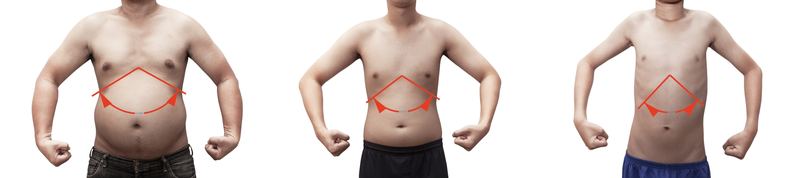
Belly shapes according to Mayr
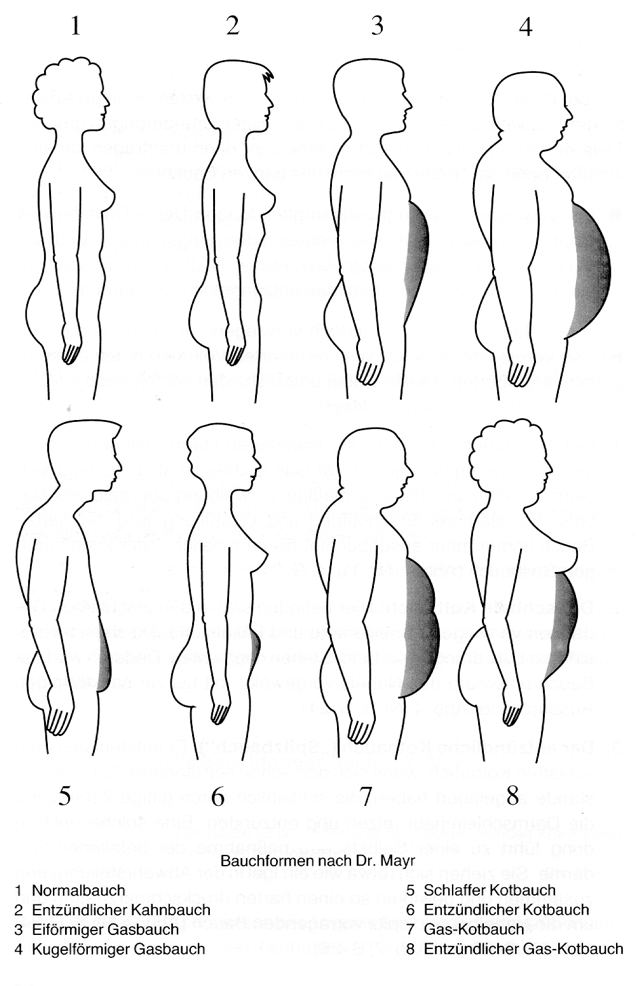
Literature
Published by Haug Verlag:
- Leitfaden zur F. X. Mayr-Kur, Dr. med. Bodo Werner
- Die Darm-Reinigung, Dr. med. Erich Rauch
- Blut- und Säfte-Reinigung, Dr. med. Erich Rauch
- Die F.X. Mayr-Kur... und danach gesünder leben
Procedure: introduction
The milk
It contains all the essential sources of calories and micronutrients and is a protective food. Milk should not be regarded as a drink for quenching thirst. It is liquid food. It should be taken as an infant takes it, sipping and sucking (in order to stimulate saliva), only in the smallest portions and thoroughly mixed with saliva.
The bread roll
The condition of the roll (a bread roll made from fine white flour) is decisive for the success of the cure. The rolls are bought fresh and stored for about one day in a dry room. After that they should be wrapped in cellophane. After about two days they reach the right condition: firm enough to slice and only just yielding to pressure (the consistency of a rubber eraser). You must always ensure a sufficient supply of rolls and enough choice. Rolls that are too fresh and soft do not have the swelling capacity of the cure roll and cannot be chewed and mixed with saliva sufficiently. They are poorly utilised, which leads to premature hunger, distension of the abdomen and insufficient rest for the gut. Caution: rolls stored in a steamy kitchen or in containers (bread bin) remain too moist! Rolls that are too hard (“rolls for grating”) and rusks do not have the swelling capacity of the cure roll and do not stimulate the flow of saliva as much. However, they are more favourable than rolls that are too soft. Flatulence during the cure very often points to the wrong condition of the rolls or to incorrect eating.
Many followers of wholefood and healthy-eating diets believe they must reject the Mayr cure because the roll, as a white flour product, is biologically worthless. But during the cure the roll is not meant to supply biological value at all; it is meant to serve only as a trainer for chewing and mixing with saliva! Only in this way can the wasted salivary glands be got going again. In addition, the cure roll is a pure light diet. We do not want any dietary fibre during the cure. Of course, this does not mean that you should eat white flour products after the cure!
The bread roll
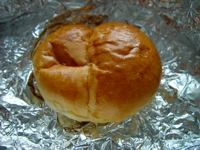
Roll, wrapped
Mayr trial meal at the SGK

What to do in case of yeast or wheat intolerance? Spelt flatbreads!
Recipe: 250g freshly ground spelt flour + a pinch of salt + 2.5 dl highly carbonated mineral water. Stir everything together briefly in a bowl. This batter makes 8 flatbreads (place directly on the baking tray with a spoon). Bake at 250 degrees for 10 min., then turn and leave in the oven for another 5 min.
How to eat
Before each meal, cut the roll into slices about half a finger thick. The piece is chewed until a liquid pulp of roll and saliva with a slightly sweetish taste has formed (the starch of the roll is converted into sugar). Now a small spoonful of milk is sucked in. The entire contents of the mouth are mixed by further chewing movements. In the process, the digestion of the milk already begins vigorously in the oral cavity, which is essential for the success of the cure. Only then do you swallow. Now the act of eating begins again from the start, until a slight satiety is reached. The amount is not prescribed, but as a rule one roll is sufficient. In any case, “leftovers” must be left. Never pour down the remaining milk afterwards. Without exception it is “eaten” by the teaspoonful with the pulp of roll and saliva, or not at all. Suitable as further additions are low-fat quark (lightly salted if required), a little honey with the evening tea, sheep’s milk yoghurt in case of milk intolerance and spelt flatbreads in case of wheat allergy. During the morning break, a well-seasoned bouillon and/or herbal tea can be taken. In the evening no more roll should be eaten; only tea (possibly with a little honey) and/or bouillon should be drunk.
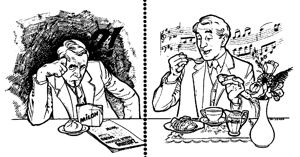
Please note that there must be no talking while eating. Only those who remain silent during the meal and concentrate on chewing are eating correctly. There must be a pleasant and unhurried atmosphere. A wrong way of eating and a poor attitude to the cure programme hunger, irritability, sullenness and failure.
By the way... A toothless patient suffered from diarrhoea and inflammation of the gut. As soon as he had begun to purée his food, his bowel movements returned to normal!
At least 5 to 6 hours should pass between meals so that the stomach can empty completely. Do not try to “embellish” the food through variety, for example roll on one day and spelt flatbread on the next, and so on. Monotony is decisive for the right (modest) amount of food. Anyone who eats a varied diet automatically eats more than they should.
Every gut cleansing cure is also a drinking cure. Suitable are: good drinking water, herbal teas, low-carbonated (still) mineral waters. The drinks should be taken neat and neither too cold nor too warm. Drinking often, spread over the day, but less with meals(!), very substantially supports the flushing out of harmful substances. Unless otherwise prescribed, 2, 3 or 4 litres should be drunk daily, depending on body weight (up to 50 kg, up to 80 kg, above that). Depending on need, the following may be considered:
- Lime blossom: support of detoxification via the kidneys and skin
- Fennel: promotion of the release of wind and of gut detoxification
- Silverweed: relief of cramps in the gut and kidneys
- Yarrow: stimulation of the portal circulation and of the female functions
- Lemon balm: strengthening of nerves, heart and female organs
- Horsetail: promotion of excretion by the kidneys and strengthening of the skin
- St John’s wort: acceleration of mental regeneration
Herbal teas support the processes of detoxification and excretion. In addition, they contain mineral salts, vitamins, trace elements, enzymes, fragrances and flavourings.
Rest
In general, a certain amount of rest is required. Resting for half an hour, or at least a few minutes, before eating, occasional short breaks for relaxation and going to bed early regularly are absolutely necessary. No television in the evening and no baths that are too hot. This cure should also be used to reduce the rush of everyday life as far as possible.
Cleansing
At the beginning of the Mayr cure, the gut is cleansed with Carlsbad salt or Epsom salt (magnesium sulphate). If possible, this is also continued during the cure. One level teaspoon of salt is added to ¼ litre of warm water. To improve the taste, the Epsom salt can be mixed with a little water the evening before and topped up with hot water in the morning. In addition, 3 to 4 drops of lemon juice may be added. This “drink” is taken in the morning immediately after getting up. Breakfast should follow only half an hour to three quarters of an hour later, when the salt solution has already left the stomach again. A combination of this type of cleansing with colon hydrotherapy (separate information brochure) is ideal. If toxins that are particularly irritating to the gut are being excreted, frequent, watery and usually foul-smelling, discoloured evacuations may occur. Occasionally the mucous membrane of the anus also swells temporarily, reddens and feels sore. Constipation also occurs when toxins with a paralysing effect on the gut are excreted. Otherwise, a stool that stems solely from the milk and roll diet is golden yellow and almost odourless, that is, similar to that of an infant. Any other colour or a foul odour betrays the passing of poorly digested, harmful residues. In most cases the impurities come loose at the beginning of the cure. The longer and more intensively the body has been exposed to the contamination, the longer its thorough cleansing takes. Father Kneip: “You do not clean out such an old house in a single day!”
Abdominal treatment
Of eminent importance is the abdominal treatment according to F.X.Mayr, carried out at least every second day, or better still daily. In this treatment, the abdominal wall is carefully massaged with a special technique and congestion of the bowels is relieved.

As a result, the intestines begin to work better, the lungs can take up more oxygen because of the reduced pull of the bowels, the position of the heart returns to normal and with it, immediately, the circulation and the supply of micronutrients to the tissues as well as the removal of waste deposits. This becomes noticeable, for example, in the immediate improvement in the firmness of the skin (skin fold test on the back of the hand).
Liver compress
To support liver function, a warm hot-water bottle can be placed on the right upper abdomen for about 15 min. The effect is intensified by placing hay flowers underneath and covering with a towel.
Rule to remember:
“After eating you should rest, or take a thousand steps.”
Example of a daily routine
| 7.00 am | Taking of Carlsbad salt |
|---|---|
| 07.15 | Light morning exercises. Caution, no exercises with the head lowered. Dizziness and a tendency to faint during the cure |
| 07.45 | Breakfast: 1 roll, milk, 50g low-fat quark, a pinch of salt (duration of breakfast about 45 min!) |
| 10.00 | Snack during the break: 1 to 2 soup cups of bouillon, herbal tea |
| 13.00 | Lunch: as breakfast (45') |
| 15.00 | Doctor’s appointment for abdominal treatment |
| 16.00 | Snack during the break: herbal tea |
| 19.00 | Evening meal: bouillon, herbal tea sweetened with a little honey, possibly slices of orange squeezed into the tea (do not eat the fruit!) |
| 22.00 | Liver compress |
| 22.15 | Taking of alkaline powder |
Drink plenty in between!
What to do when hungry and thirsty
If you eat as prescribed, satiety lasts a long time and hunger is rare. It occurs almost only when you eat hastily, carelessly or wrongly (drinking the milk instead of spooning it), or when the rolls are too fresh and too soft. When you feel hungry, you should always drink. Should the hunger nevertheless persist, a cure roll (or only part of one!) may, by way of exception, be eaten outside the set mealtimes, chewed slowly and correctly, of course, and mixed with milk. With increasing recovery, the need to eat outside mealtimes disappears of its own accord in most cases.
End of the cure
This is the most difficult time and takes place gradually. Now of all times you must not become careless; you must observe all the rules most thoroughly and mix with saliva and chew even more thoroughly than before. The smallest errors in diet and eating now make themselves felt severely. The freshly renewed mucous membranes are still delicate and react to anything that does not yet agree with them, for example “scratchy” cellulose-rich food, with an intense feeling of soreness. Remember that it is no longer the greedy consumption of larger amounts of food that should provide the desired pleasure, but the savouring and tasting of every bite. Quality should replace quantity. Dishes that used to be favourites are suddenly rejected, such as fatty roasts, bacon, pastries and complicated and elaborately composed dishes, or also chocolate, alcohol, liqueur and real coffee. A little butter or fine margarine (health food shop), honey, quark or cream cheese can be used as a spread on the roll. Suitable as an accompaniment are a soft-boiled egg, tender steamed vegetables, potato-based vegetable soups, boiled potatoes (no chips!), maize semolina, quark, cottage cheese, steamed lean veal, chicken or trout au bleu. Later, root vegetables such as carrots, parsley and black salsify, as well as fine salads, lettuce, celery, fennel and a little spinach. For breakfast and at the beginning of lunch, a little fruit is suitable: banana, peeled or cooked apple, berries, also in milk or yoghurt. Soya dishes such as tofu and cereal dishes made from easily digestible oat flakes or from maize semolina, buckwheat, millet etc., garnished with fragrant herb sauces, are usually also well tolerated. The cure roll is gradually replaced by wholemeal bread, crispbread etc.; butter and mixtures of quark, oil and herbs serve as spreads.
Mild derivation diet
80% of all risk factors, disorders and ailments that plague millions of affluent citizens in Western countries, as well as up to 80% of all causes of death, are today attributed to diet-related diseases. This enormous prevalence of damage to health through wrong nutrition can also be recognised in the belly shapes (so-called pointed, gas and faecal bellies) and postures of our fellow human beings. But it is not only the overweight; the thin who are forever tired and listless can also clearly be seen to belong to those damaged by nutrition and digestion. To all those affected in this way Dr. Mayr prescribed his fasting and diet cures and achieved outstanding results with them. The mildest form of cure that has developed from these Mayr cures is the “mild derivation cure” with its three stages, which can be individually adapted to how much strain each person’s digestion can bear. This therapeutic diet serves primarily to improve the condition of the digestive system, since good nutrition and good health can be achieved only through good digestion. This is the aim of the mild derivation cure with the mild derivation diet. It is rightly said: when the belly is purified and slimmer, one lives more lightly, more gladly, longer! The key position of the digestive organs for health as a whole results from their activity as the “root system of the human plant”.
The “mild derivation cure” is suitable:
- For the prevention of disease
- For raising the basic level of health
- For promoting the healing of the most varied disorders, diseases and infirmities
In addition, the mild derivation cure and diet is an ideal transition from fasting, diet and gut cleansing cures to a healthier, individually shaped long-term way of eating. The mild derivation diet lies midway between a strict light diet and a wholefood diet.
Guidelines of the mild derivation diet
- Mild food that rests (and heals) the digestion, as the most important guideline
- Preparation that eases digestion and preserves as much nutritional value as possible
- Use of biologically high-quality products
- Emphasis on alkali-providing foods
- Moderate monotony as a factor of rest
- Consideration of individual intolerances
- a) Eat only what, from your own experience, is well tolerated and easily digestible
- b) Avoid everything that is burdensome, hard to digest, causes flatulence and forms acid
Foods prohibited in the mild derivation diet for the duration of the cure
- Cellulose-rich food that burdens the digestion: heavy fresh breads, wholemeal breads and wholegrain dishes, coarsely ground grains, heavy vegetables, pulses, white cabbage, savoy cabbage
- All raw food: fruit in any form, including compotes, fruit juices and tinned fruit
- Fatty dishes, anything made with a roux, anything baked or breaded, pork and pork fat, sausage products, hydrogenated and refined oils and fats, animal fats, mayonnaises
- Industrial sugar, including brown sugar, Dextropur, sweets, confectionery, boiled sweets, sweet dishes, chocolates, jams
- Real coffee, including decaffeinated, all industrially produced drinks, alcohol, cola drinks; recommended: water, mineral water, herbal tea, malt coffee
- Nicotine
- Medication, unless prescribed by the doctor for other reasons
Permitted exceptions:
- 1 to 2 tsp of lemon and orange juice in the herbal tea, banana from derivation diet stage III
- Butter, cold-pressed vegetable oils
- Honey, molasses, pear concentrate
Recommendations of the mild derivation diet
Milk and dairy products, cream, Topfen (quark), easily digestible types of cheese (cream cheese and others), tender (!) steamed vegetables of all kinds, vegetable soups, boiled potatoes and potatoes boiled in their skins, egg, tender meat and fish dishes, easily digestible types of cereal, oat flakes, maize semolina, millet, rice, stale baked goods, yeast flakes, cold-pressed vegetable oils with highly unsaturated fatty acids, honey, native herbs and spices, sea salt, mineral water, herbal tea, malt coffee and others.
Practical procedure
Eating milk and roll provides the training required for this: the cure roll is cut into thin slices, on each of which a knife tip of quark can be spread. A small (!) bite of this is chewed until a liquid pulp of roll, quark and saliva forms, which finally takes on a slightly sweetish taste. Sweetish, because the salivary enzymes have broken down the starch of the roll into sugar. Do not swallow yet! Now a small spoonful of milk is “sipped” with it (taken like soup) and mixed in the oral cavity with the pulp of roll, quark and saliva, so that the salivary enzymes can also predigest the milk. Only then do you swallow. You eat in this way until slight satiety is reached. Then stop immediately.
Important! The way in which food is taken is decisive for the success of the cure! Without the prescribed eating culture no success can be achieved!
Monotony: you are free to choose among the variants listed for breakfast, but the breakfast and the evening snack of the mild derivation diet (MAD) should always be largely the same, or be changed as rarely as possible, since monotony is an important factor of rest and healing.
Anyone who correctly practises the eating culture according to Mayr at their meals achieves a pleasant, long-lasting satiety, because food that has been ideally predigested in the mouth is better utilised. Between breakfast and lunch there should, if at all possible, be a break of around five hours. If breakfast is eaten correctly, a healthy feeling of hunger usually sets in only a short time before lunch.
Cultivating hunger (appetite): a healthy feeling of hunger that is in no way tormenting or, which is the same thing, a hearty appetite some time before the next meal is the precondition for taking another meal. If this is lacking, you should definitely wait before eating, even at the “risk” of skipping a meal for once.
- Without hunger, no eating!
- Without hunger, no good digestion!
- Without hunger, no health!
Therefore cultivate the onset of your hunger!
Mild derivation diet: MAD I
Breakfast
You may choose from:
Milk (+ malt coffee) + cure roll + Topfen (quark)
- Milk: if available and tolerated, raw milk briefly warmed to the desired temperature is the most favourable. Choose the type of milk that, from your own experience, agrees with you best; certified raw milk (Vorzugsmilch), baby milk or good types of soured milk (Sanoghurt, Biogarde, Bioghurt) are recommended.
- Malt coffee: causes the fresh milk to curdle into flakes, which makes it particularly easy to digest. Also proven as baby food. All types of ready-made malt coffee are permitted. Anyone who tolerates milk very well can take it on its own; otherwise the addition of malt coffee is more favourable.
- Cure roll: this is a stale white bread roll. Although it is a food of low nutritional value, it is of enormous importance for the cure as an easily digestible school of eating and chewing. After the cure it should, if tolerated, be replaced by biologically more valuable bread. The cure roll must be stale, 3 days old, firm enough to slice and hardly yielding to pressure any more, so that it forces the most thorough chewing and mixing with saliva! Rolls that are too fresh and soft are unsuitable! The rolls, which are to be bought fresh every day to keep in stock, should be stored in neat rows and air-dried in a dry room on a rack, on a cloth or greaseproof paper. Before eating, they are to be cut into 9 to 10 small slices. The cure roll is used as a school of chewing throughout the whole mild derivation cure. If the rolls are too soft, they can be cut up earlier, so that they air-dry more quickly (emergency solution).
- Quark: it is best to use 10% low-fat quark at first.
Herbal tea + cure roll + quark
Herbal tea: as you choose. Silverweed and fennel have a mild cramp-relieving effect, lemon balm and St John’s wort calm the nerves, and lime blossom is also particularly pleasant in taste.
Preparation: a pinch of tea (the amount picked up with 3 fingertips) is placed in a fine sieve, scalded with boiling water (¼ litre), left to infuse for 2 minutes and strained. If permitted and tolerated, one teaspoon (tsp) of genuine bee honey (no more) and a little lemon or orange juice are added.
Bee honey contains glucose, fructose, trace elements, amino acids, enzymes and inhibines. Keep in a well-sealed container and never heat above 50° C, as otherwise the enzymes are destroyed. Honey is to be used as a seasoning. Do not exceed the stated amount! or: oat, wheat or rice gruel
Lunch
The meal of the MAD begins with alkaline soups (puréed vegetable soups). These are made from various vegetables, mainly those in season, without fat and without flour (“right across the vegetable garden”). They contain numerous micronutrients that the body can easily absorb in this form, above all minerals and trace elements, and supply alkaline substances to the organism, which during the cure is freeing itself of harmful substances, especially of acids such as uric acid. In this way they support the healing processes. As the diet of people today consists predominantly of foods that form acid and deplete alkali, alkaline soups are also to be recommended as part of a long-term diet.
Caution! All soups, gruels or other dishes that are difficult to mix with saliva should be taken with the cure roll, which forces you to chew!
Cooking alkaline soups should always mean letting them simmer slowly in a covered pan. If the heat is too high, too much liquid would evaporate and the soups would become too thick in consistency. Alkaline soups taste best when they are puréed in a blender and served immediately. With unsprayed, fresh young vegetables, thickening is not necessary! Stage 1 offers the optimum rest; after that the diet is slowly enriched and more is demanded of the digestion. Many further variants of alkaline soups can be prepared with individual mixtures of vegetables.
These “easily digestible alkaline soups” are also to be recommended outside the MAD (mild derivation diet). Other types of vegetable can then also be used. Diced and steamed vegetables can be added to the alkaline soup as an extra garnish. A little fresh vegetable can also be blended in at the end.
The main dishes include:
- Tender, easily digestible and gently prepared vegetables
- Easily digestible cereal dishes prepared so as to agree with the digestion
- A little meat or fish about every third day.
The dishes are simple and quick to prepare. Cereal dishes are given additions of vegetables; meat and fish dishes are always served with alkaline sauces and potatoes, in order to balance the acid-providing effect of meat or fish.
Evening meal
During the mild derivation cure, no evening meal or almost no evening meal is taken, because the intake of food in the evening is the least favourable. Instead, one, two or three cups of any herbal tea, possibly with a teaspoon of honey and a little lemon or orange juice, are taken by the spoonful. Taking the hot tea by the spoonful usually produces an astonishingly good feeling of satiety. Should there nevertheless be genuine hunger, a little Topfen (quark) diluted with milk is additionally permitted, which is taken with a little cure roll for better mixing with saliva. However, you should stop eating as soon as slight satiety is reached. For the whole cure the rule is “cultivating hunger”, because: “Hunger heals!”
This means that when the body receives so little food that a healthy feeling of hunger arises some time before the next meal, the digestive system can put its interior in order, tidy up, and digest and shed old waste deposits. While the digestive system is empty, which is felt as hunger, the most important healing processes take place! In most cure patients, however, only slight hunger arises during the whole derivation cure, even in the evening, since the body is now living off its reserves that are due for breakdown, its “rubbish dump” and its fat stores. Anyone who complains of hunger at a time other than before a meal usually only has “Gusto”, the craving of the pampered palate for variety. Tormenting hunger, however, must not occur at any point in the cure. Provided the cure is being carried out correctly, this would be a sign of illness that makes it necessary to consult the treating doctor.
Mild derivation diet: MAD II
In contrast to MAD I, MAD II already offers a richer choice, in part with foods that are somewhat harder to digest. Here the use of high-quality oil-protein dishes as described by Dr. J. Budwig is also of particular importance. What applies unchanged is the eating culture, with the most thorough chewing and mixing with saliva, and stopping eating at the earliest right moment. Cultivate a good appetite!
Breakfast
You may choose from the breakfast dishes already recommended in MAD I, where, instead of the low-fat Topfen (quark), Topfen with a higher fat content (20%), also Gervais cheese, may now be used, and the following may be considered as possible additions:
- Oil and quark spreads, possibly now and then
- Soft-boiled egg (with sea salt)
- Chicken or turkey ham (no pork ham), or
- Oat, wheat or rice gruel (recipes 1 and 80), with an egg whisked in and 1 to 2 tsp of cold-pressed oil (stirred in well).
Lunch
The alkaline soups:
The alkaline soups of MAD II are prepared unchanged as in MAD I, but the finished, seasoned soups can additionally be enriched with cold-pressed oils, flakes of butter or yeast flakes.
Evening meal
The evening meal of MAD II remains unchanged as in MAD I. If the need to eat is stronger, however, the more filling quark spreads are also permitted.
Mild derivation diet: MAD III
MAD III is the derivation stage that already represents a transition to a future long-term diet. Here foods and methods of preparation that are somewhat less easily digestible come into use, such as potatoes in the form of potatoes boiled in their skins, more culinary and wild herbs (cress, dandelion), also beef, and furthermore, in modest amounts, banana, raw carrots in the oil-protein dish and easily digestible puddings (desserts). When grilling, the previous method (with foil) can be kept, or you can already proceed without foil. However, on moving to MAD III only one of the newly permitted options for eating should be tried at a time. What applies unchanged is the eating culture, with the most thorough chewing and mixing with saliva, and stopping eating in good time, as early as possible.
Continue to cultivate a good appetite!
Breakfast
You may choose from all the breakfast dishes already recommended in MAD I and II, and the following are now additionally available:
- New oil-protein spreads; or
- Linomel mixed dishes (Linomel is a mixture of linseed oil and honey available from health food shops which, because it is easily digestible and tastes good, is tolerated even by infants.)
Lunch
The alkaline soups
The vegetables used may now be sweated in butter with a little leek or onion. This makes the taste even better.
Main dishes
In addition to the recommended recipes, tender leaf salads can now be eaten in modest amounts as a small starter before the soup, dressed with pure natural cider vinegar, cold-pressed oil and sea salt.
Source
The slightly modified and abridged texts were taken from:
Dr. med. Erich Rauch / Peter Mayr: Milde Ableitungs-Diät; Karl F. Haug Verlag, Heidelberg
Simeons cure
- ** Special offer ***
- Every patient who begins a Simeons cure with us
- receives a Novashape ultrasound lipolysis treatment free of charge
A special hormone produced by the body itself is able to stimulate fat burning, and above all in the problem areas. With an accompanying fat-free diet, a loss of 5 to 10 kg is possible within weeks. A real chance for all those who have been “failures” up to now.

The natural hormone diet was developed by Dr. Simeons more than 40 years ago. It is a long-established, very successful cure for reducing weight in a natural way. It uses the natural placental hormone, which is produced in the body above all during pregnancy, for weight reduction. It mobilises the diet-resistant fat pads (body depots), which cannot be mobilised even by a change of diet or by sport. It is these depots that stand in the way of an optimal figure.
In the Simeons cure, small amounts of hormone are injected under the skin, in the same way as insulin in diabetics. This small dose produces a fat-reducing effect, as a rule without side effects. For this reason the diet can also be used successfully in men. The cure works only as a combination of a daily dose of hormone and a special diet. It is limited to 4 to a maximum of 6 (to 8) weeks. Despite the reduction in calories during this time, you are physically able to work normally, do not suffer from hunger (a further effect of the hormone injections) and can take part in sporting activities.
As a rule, a weight reduction of 5 to 8 kg in 4 weeks is possible, and without a “yo-yo effect”, which means that the result lasts for some time. In the longer term the patient learns to deal with their natural disposition and to control their weight. Following the hormone cure we recommend dietary advice in order to maintain the desired weight permanently.
The hormone diet is particularly recommended for problem areas with poor connective tissue that is prone to cellulite. Before the cure begins there is a detailed discussion and a medical assessment. A regular weekly check-up in the practice monitors the course and success of your cure.
The Seegarten cure optimisation (optional)
- It is now known that hidden food intolerances can lead to unwanted weight gain. These are identified and eliminated from the nutrition programme / replaced.
- Dietary fibre is certainly an important and healthy part of our diet. However, if we suffer from an abnormal colonisation of the gut and have too many of the bacteria called “Firmicutes”, then suddenly calories are produced from the fibre, and as much as 250 kcal a day! A simple stool test gives us the answer here.
- The hormone used in this cure could lead to increased production of testosterone, above all in men. This is converted into oestrogen in the fatty tissue and will thus only further promote fat deposition. This conversion can be effectively countered with a special plant-based cream, which is applied to the skin daily.
- We have developed a special bath additive which helps to burn calories or to reduce the appetite.
- Iron deficiency can slow down fat burning in the mitochondria. As a result more sugar has to be burned, and a craving for sweet things arises. Iron infusions can work “wonders” here.
- With a special micronutrient mixture, fat burning in the mitochondria can be promoted further.
- For all those who also want to take up sport: with a special lactate stress analysis it is possible to evaluate the quality of fat burning and also to calculate the optimal fat-burning pulse.
Example of the change in weight of a female patient
| Measurements in cm | ||||||
|---|---|---|---|---|---|---|
| Week | Weight kg | Upper arm | Chest | Waist | Bottom | Thigh |
| 0 | 65.4 | 32.3 | 101.2 | 78 | 99 | 51.5 |
| 1 | 62.8 | 30.9 | 98 | 76 | 96.5 | 50 |
| 2 | 61.2 | 29.4 | 93 | 72.3 | 95 | 49 |
| 3 | 59 | 29 | 90.5 | 70.5 | 94.7 | 49 |
Further patient examples
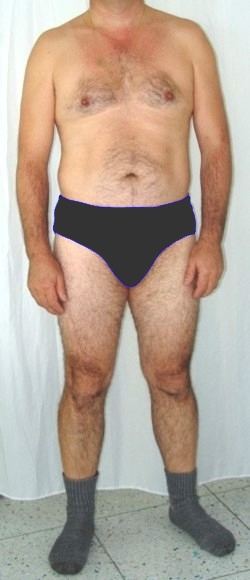
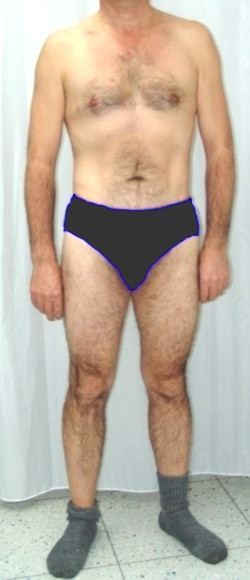
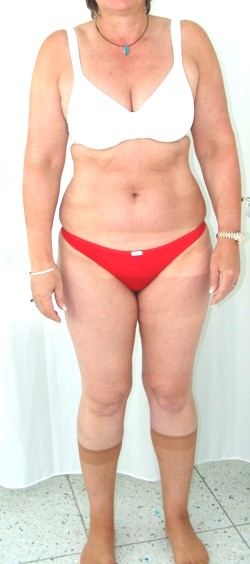
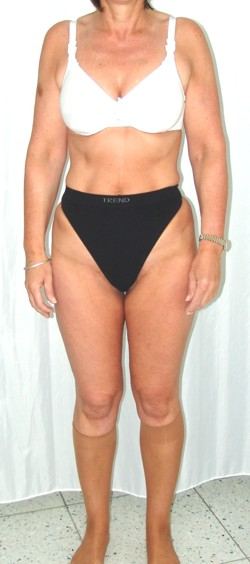
Contraindications
- Pregnancy
- Porphyria
Everything about the HCG cure in English...
On this page you can order complete sets for carrying out the HCG cure on your own. If you do not yet have any “injection experience” of your own, these self-experiments are strongly discouraged. It must also not be forgotten that a hormone is being injected. The cure should therefore, as a matter of principle, take place only under medical supervision. Experience has shown that expert support also leads to markedly better results.
Here in our clinic, weight and measurements are regularly checked, recorded and, unless you decline, also photographed.
Procedure
Your cooperation and your understanding are important for the success of the cure and for achieving a good weight loss. The daily injections during the prescribed duration of the cure may be interrupted only after consulting the doctor, so that the result is not impaired.
Medication: Whether you continue to take prescribed medication is agreed with the doctor. The contraceptive pill should not be stopped. During the HCG cure, the likelihood of conceiving may be increased without the pill.
The times of the meals in the diet plan are to be kept to whenever possible. Meals may be skipped but not “made up for” later.
DURATION OF THE TREATMENT
The minimum duration is 3 weeks. If intense hunger occurs during the cure, this can be a sign that the cure should be stopped. This must be reported to the doctor without fail. Dietary errors can likewise trigger hunger reactions.
THE INJECTIONS
The HCG injections must be given daily, deep into the skin, and in the morning (acts as an appetite suppressant)! It is best to inject where as little (or less) fat as possible has been deposited, for example in the thighs or upper arms. In the case of saddlebags, the injection can also be given into the abdomen. If the injection is given into larger fat depots, the HCG is not absorbed sufficiently. As a rule, injections are given 6 days a week. For example, a break on Sundays. In this way the effect of the HCG remains at its maximum. HCG acts in the body for 3 days. This is also the reason why the diet must be continued for three more days after the last injection.
STORAGE AND USE OF THE SYRINGES
In dissolved form, HCG is prone to losing its effect. For this reason the ready-filled syringes must be stored for no longer than one week, and if stored, then in the refrigerator!
In the practice you receive 6 ready-filled syringes each time, that is, enough for exactly one week.
MENSTRUATION
During your period, the injections should be interrupted for 3 days, starting with the first day. In return, however, the next regular “day off” can be dropped. The diet is continued unchanged during the break.
THE FIRST THREE DAYS
These are the so-called “fattening days”. Here you may eat as much as you like in order to fill up the easily accessible fat reserves. This is important so that feelings of hunger do not arise later. The injections are already given on these days.
FLUID INTAKE
At least 2 to 3 litres must be drunk per day. More in summer and in heated rooms. Only water or tea. No diet drinks (too much artificial sweetener), no milk (too fatty), no alcohol (fat metabolism, goes straight into the fat depot), coffee is allowed but does not count towards the amount of fluid.
PREPARING MEAT
Only in a Teflon frying pan or steamer, alternatively in fat-free stock in a wok or in roasting film in the oven. Eliminate fat.
FORBIDDEN
- Carbohydrates: pasta, rice, potatoes, bread, grissini (too fatty).
- Fruit: sweetcorn, stone fruit, bananas, grapes, sweet pears, persimmon
- Vegetables: carrots, beetroot, sugar peas, maize
- Fats: nuts, seeds, oil fruits (olives) Allowed: coconut oil
- Also: egg yolk, salad oil
Care products
- Forbidden: body oils and creams containing fat. All cream products, such as face, hand and foot creams, cleansers, shaving cream, body lotions, bath oils, massage oils, oily soaps, hair masks, hair gel, etc. Fat-free creams or lotion may be used for skin care.
- Allowed are sun cream from Ultrasun (oil-free), pomades and lipsticks, eye make-up and powder. Acerbin and other oil-free care products are available in the practice.
IMPORTANT
In the case of (intended) dietary errors, for example during holidays or when you are invited out, the injections are to be stopped three days beforehand and resumed the day after. Otherwise it can happen that you rapidly gain weight again despite otherwise eating correctly.
So:
- Fat-free diet + HCG >>> weight loss
- Diet containing fat and/or care products containing fat + HCG >>> weight gain
The meals
Breakfast
Tea or coffee, if necessary with no more than one tablespoon of milk per day. Larger amounts of milk or dairy products are excluded from this diet because of their fat content.
A glass of lemon juice in the morning has proved its worth as an appetite suppressant: squeeze a whole lemon and dilute with water as you like. No sugar! Drink it sour!
If you are hungry, you may eat one slice of dry toast.
Lunch
A meal can be put together from the following choice groups. It is not essential to include all the groups in one meal; it can also be fewer.
1. A choice of: 100 g of veal, beef, chicken, turkey, lamb or horse meat, lean ostrich fillet (without skin and fat) or lean game, 70 g of horse or beef Mostbröckli, or: 100 g of lean white fish, prawns, crayfish, spiny lobster, or: 100 g of tofu or blanc battu (low-fat). All visible fat should be removed from the raw meat. Cook or grill meat, poultry or fish without fat. A Teflon pan is best suited for this.
Excluded: oily fish (eel, salmon, sardines, pickled, dried or smoked fish), egg yolk (too high in fat), only the egg white is allowed.
2. A choice of: one loosely filled cup of one type of vegetable or salad
Salads: green lettuce, romaine lettuce, spinach, iceberg lettuce, chicory, catalogna, cress, rocket, lamb’s lettuce (Nüssli)
Vegetables: fennel, celery, chard, outdoor-grown tomatoes, white radish, cabbage, onions, asparagus, radishes, cucumbers, courgettes, mushrooms
3. A choice of: one slice of crispbread or toast, or one grissino
4. A choice of: one orange, one apple, half a grapefruit, one cup of berries, one kiwi, one slice of fresh pineapple, half a papaya. No stone fruit
Evening meal
As for lunch:
- 1. Meat, fish, tofu or blanc battu
- 2. Vegetables or salad
- 3. Crispbread, toast or grissino
- 4. Fruit
Snacks between meals
Mainly drinks, or item 3 or 4 instead of having it at lunch or the evening meal
Drinks
Nettle, lime blossom, camomile, peppermint, green or black tea, mineral water, as much as you like. 3 to 4 cups of coffee, if desired, preferably espresso. In addition, the juice of one lemon daily.
Süssstoffe
Small amounts of artificial sweeteners as a sugar substitute do no harm.
Seasoning food
Wine vinegar, lemon juice, a little salt, pepper, curry, a little paprika, any herbs (fresh or dried), tamari sauce, miso (both from the health food shop), Coleman’s mustard powder (available in delicatessens and health food shops)
Forbidden: ready-made spice mixes, stock and sauce cubes, tinned products (these may contain preservatives, glutamates, etc. and are not reliably fat-free).
All foods must be fresh or frozen fat-free, no tinned food. All weights given refer to the raw weight.
Eating on the go and at work
Bündnerfleisch, Mostbröckli, sliced roast veal, sliced turkey, vacuum-packed if possible.
Sample menus
TROUT WITH VEGETABLES IN THE OVEN
1 farmed trout, finely dice 1 celery stick, sprinkle with dill and salt, fill into the belly of the trout, cook in the oven for 15 min.
LEMON SOLE FILLET WITH CHARD
Braise 100 g of fillets with 100 g of chard in an ovenproof dish. A little stock seasoning.
STUFFED TOMATOES
Hollow out 1 tomato of 110 g, braise 100 g of tartare meat with (½ teaspoon of onions). Fill into the tomato and cook in the oven.
RECIPE FOR COOKING STOCK
Use without the vegetables: fennel, ¼ cabbage, small courgettes, onion, seasoning and plenty of water, simmer slowly for approx. 1 hour. This is excellent for sauces / for cooking.
STEAK TARTARE WITH SALAD
Mix well 100 g of tartare meat, ½ teaspoon of chopped onions, parsley, a trace of garlic, Colman mustard, herbs and lemon juice, place on lettuce leaves.
BOILED BEEF SALAD
Dice 100 g of very lean meat, add 100 g of cucumber. Make a sauce with Colman mustard, parsley, herbs, wine vinegar and stock, pour over the meat.
GOULASH WITH VEGETABLES (2 PORTIONS)
200 g of lean stewing beef, 100 g of tomatoes, 100 g of celery sticks. Chop the vegetables finely, sauté lightly, add the meat, deglaze with water, season with paprika. Leave to simmer slowly for 1 hour.
CURRIED MEAT WITH COURGETTES
Lightly sauté 100 g of thinly sliced veal with (½ teaspoon of onions). Stir curry powder into water, continue to braise for 15 min.
FLOUNDER FILLET WITH SPINACH
Poach 100 g of fillet in salted water. Braise 1 cup of spinach leaves. Arrange the fillets on a bed of spinach.
PRAWN OR SHRIMP SALAD
Mix 100 g of prawns with 100 g of diced cucumber, sprinkle with a few dill tips and lemon juice. Arrange on 1 lettuce leaf.
CHICKEN BREAST SALAD
Mix together 100 g of sliced chicken breast, 100 g of sliced radishes and a little chopped parsley, sprinkle with wine vinegar.
HAMBURGER WITH CHICORY
Mix 100 g of tartare meat (½ teaspoon of onions) and seasoning. Brown well in a Teflon pan and cook through. Serve with 100 g of chicory, raw or braised.
THINLY SLICED CHICKEN OR VEAL
Lightly sauté 100 g of meat with onions. Season with rosemary, add 3 cultivated mushrooms, deglaze with water and cook until done.
ESCALOPE WITH ASPARAGUS
Dust 100 g of asparagus and 100 g of thin veal escalopes with sage and braise slowly with a trace of garlic, add a little stock.
Problems during the cure?
Eaten the wrong things or too much
Have an apple day. Eat 6 apples (and nothing else!) spread over the day, drink plenty.
Fluid retention / water balance
It can happen that the weight stagnates because water has been retained in the body. In that case the consumption of salt is to be restricted (Mostbröckli / Bündnerfleisch). In extreme cases a diuretic tablet can be taken. This is, however, discussed with the doctor.
Plateau weight
If things have not been going “downhill” for some time, you are experiencing the so-called plateau phenomenon. In fact you are still losing weight, but the fat is being replaced by water. This phase can last from a few days to a maximum of 2 weeks. Then weight loss sets in again.
Hunger at night
Eat a slice of toast that you have saved before going to sleep. If you feel nauseous, a little glucose can also be taken. But this should remain the exception!
Pregnancy test positive
Pregnancy tests also detect HCG in the urine, the same as you inject during the cure. For this reason pregnancy tests must not be carried out until at least three days after the last injection, so that no false positive result is read.
Constipation
You are drinking too little! Otherwise, try a natural laxative without sugar:
- Papaya with seeds before going to bed
- Apple with pips, without peel
- Indian psyllium husks (Metamucil)
The follow-up cure
The follow-up cure lasts at least 3 weeks.
On the 4th day after the last injection, all care products may be used again.
Important: step on the scales at the same time every day. Fluctuations of up to one kilo are normal. The same food as during the cure, the amount may gradually rise to double. Only after that carefully add carbohydrates in small amounts. E.g. one slice of toast, a little basmati rice. Always keep an eye on your weight! If it is constant, then allowed again: carrots, beetroot, maize, sugar peas
If you do sport, you may eat a banana, a little rice or toast 1 hour beforehand.
CALORIE RULE OF THUMB Nutritional value
Group 1: meat, fish, chicken, low-fat cheeses, milk, eggs, fruit, vegetables (no dried fruit, few nuts, no sauces)
Group 4: bread, potatoes, rice, pasta
Group 6: alcohol, sugar
Group 8: butter, oil, meat fat, cream, ham
This means: for the same weight, the foods above are (depending on the group) 4, 6 or 8 times as nourishing as 1. They should be eaten in correspondingly smaller amounts.
In the first 3 weeks of the follow-up cure, group 4 is nevertheless more dangerous than groups 6 + 8, as it is consumed in considerably larger amounts.
If the weight rises by more than 1 kilo, breakfast (if it has been resumed) and/or lunch must be skipped on the same day, but you should drink plenty. Always ensure sufficient protein. Possibly 1 tomato or 1 apple
In the evening, a large steak or 300 g of tofu or blanc battu (protein intake) and a raw tomato or an apple must be eaten.
Do not forget: light sporting activity helps to maintain the result and your well-being.
DOCTOR’S APPOINTMENTS
A medical check-up should take place weekly.
As a rule, photographic documentation is carried out at the beginning and at the end of the treatment. In addition, body circumference measurements are taken every 2 weeks.
COSTS
The weekly costs can be found in the current price list. This price also applies if you (on occasion) forgo a consultation with the doctor.
Types of sugar
Simple sugars with 5 carbon atoms (here in a 5-membered ring)

Simple sugars with 6 carbon atoms (here in a 6-membered ring)




Mannitol, used in the small-intestine permeability test, is an alcohol derivative of mannose.
Double sugars
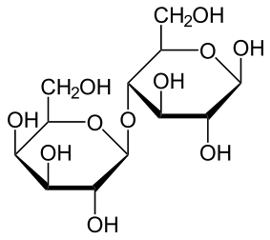
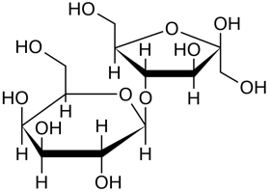
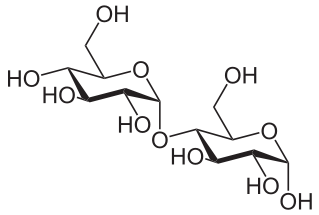
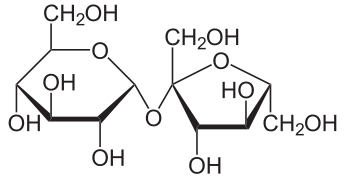
Lactulose is used as a bowel regulator, as well as in the small-intestine permeability test.
Multiple sugars