Seegarten Klinik: a pioneer of cause-oriented medicine
Focus on holistic healing
Seegarten Klinik works in a cause-oriented way. We look at the person as a whole, not as the sum of the parts, and we take the time this requires. Our focus is the treatment of chronic illness, prevention and better ageing. At the same time we provide primary care: with acute complaints too, from allergies to tick bites, you are in good hands with us.
A little about the founder's background

In the 1980s, as a young doctor, a childhood dream came true for me: treating patients. In my own practice I was soon looking after people with a wide range of complaints. After only a few years I began to question my work critically.
I had assumed that doctors are trained to heal patients. Often the opposite was true: we made illnesses more bearable, “managed” them and thereby helped to make them chronic. So my search began, with numerous courses of further training in Switzerland and abroad. From it grew what Seegarten Klinik offers today, which young, like-minded colleagues have since broadened considerably.
Seeing the whole picture means looking not only at the illness but at the person in all their dimensions. Illness is not “the enemy” but a healing response that should not simply be suppressed with “anti” remedies. In many cases that were considered hopeless, this attitude has opened the way to healing.
"See also my article Always ahead of its time."
Different philosophies
The terms are often confused. What they mean, and how the medicine practised at Seegarten Klinik differs:
- Conventional medicine: the medicine taught at universities. It relies on clinical studies and guidelines and treats mainly with medication and surgery. Its strengths lie in acute and emergency medicine, in diagnostics and in surgery. With chronic illness it usually starts from the symptoms.
- Alternative medicine: it replaces a conventional treatment with another method, for example acupuncture instead of painkillers or mistletoe preparations instead of chemotherapy. Not all alternative methods have been tested for their effectiveness; such decisions should therefore be well informed and taken in consultation with medical professionals.
- Complementary medicine: it uses conventional and naturopathic methods that complement each other, for example mistletoe preparations in addition to chemotherapy. If a patient forgoes chemotherapy and relies on mistletoe alone, it becomes an alternative method again.
- Functional medicine: it asks how well the body’s systems are working (metabolism, hormones, digestion, immune system, detoxification) rather than only whether an organ is already diseased. Extended laboratory analyses reveal disturbances early; treatment uses nutrition, micronutrients and changes in behaviour.
- Cause-oriented medicine: complaints are the result of a person’s individual past. Cause-oriented medicine looks for the sources of the illness in order to remove them rather than suppressing symptoms: “upstream medicine” instead of symptom-oriented “downstream medicine”. This includes identifying the causes, detoxification and changes in behaviour such as nutrition, exercise, mental hygiene and slowing down.
- SGK medicine: it unites the four kinds: conventional medicine, complementary medicine, functional medicine and cause-oriented medicine. We take the different dimensions of the person into account and tailor care to the individual. Our motto: “Information instead of medication”. Wherever possible, a cause-oriented, functionally extended assessment and therapy therefore takes the place of symptom-oriented medicine, with the person as a whole at the centre.
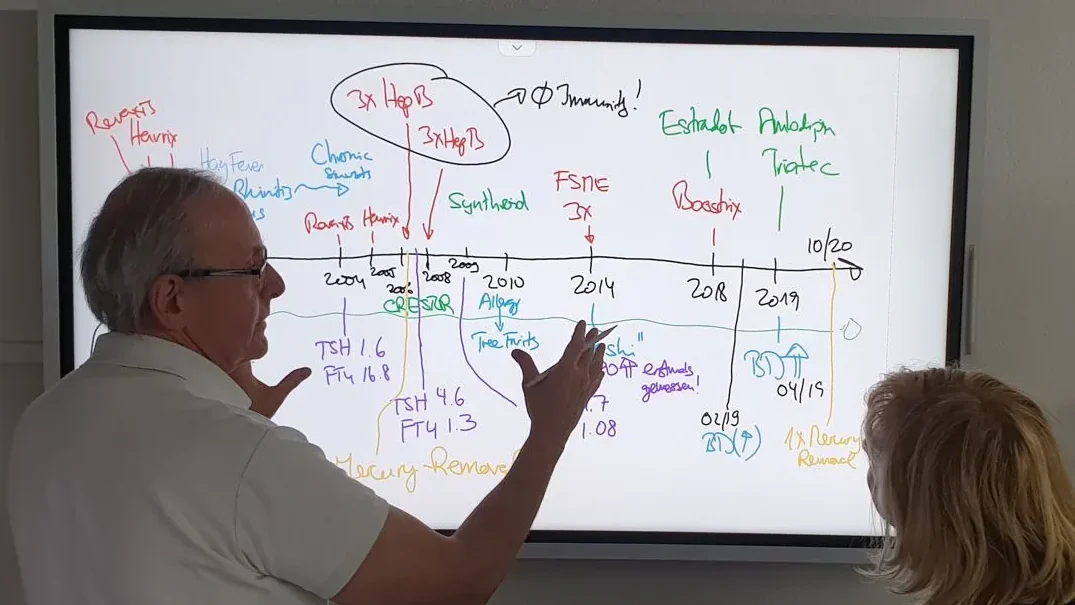
The focus is not only on the complaints but also on better ageing and prevention. Elements of complementary medicine are part of this, within an overall concept centred on individual needs and “the whole picture”.
Holistic medicine is joined-up thinking
In holistic medicine, all aspects of life interact, and treatment has to reflect this. The experts at SGK are able to cover all of the body's important systems in a joined-up way.
Standard treatment pyramid
The basis of conventional therapy is suppressing symptoms.
Our SGK treatment
Harmful causes must first be identified and eliminated.
Overmedication
The standard treatment pyramid shows it: conventional therapy is based for the most part on suppressing. Most medicines can do only this, namely suppress.
The more medicines accumulate here, the more potential interactions and side effects can result. Often people see several specialists and receive new medicines from each of them.
That is not in keeping with our philosophy, and we advise our patients accordingly. We help you reduce your medication to the necessary minimum. Our motto: as much as necessary, as little as possible.
Chronic illness
People are, as a rule, born healthy. Illness only arises through our behaviour or through influences from our environment: at work, at home, through stress, toxins, dental work, metals and much more. Deficiencies in vital micronutrients can also play a part. Identifying these causes opens up entirely new paths in treatment. It is not for nothing that SGK is called the “Last Chance Clinic”.
What we treat
We take a holistic approach to conditions from the whole spectrum of medicine, for example:
- Eye conditions
- Chronic fatigue
- Chronic pain
- Skin diseases
- Cardiovascular diseases
- Long Covid, possible illness following vaccination
- Lung diseases
- Gastrointestinal complaints
- Migraine, headaches
- Neurological diseases
- Osteoporosis
- Rheumatism
- Metabolic diseases
You will find further focus areas in the overview of indications and treatments; environmental burdens are assessed in environmental medicine. More often than previously assumed, mould can also be a contributing burden (article in German).
Before and after
These patients had not been helped before. Only the cause-oriented medicine of the SGK made their recovery possible.
Pictures before and after
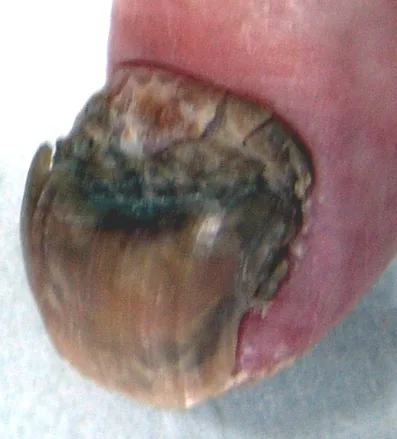
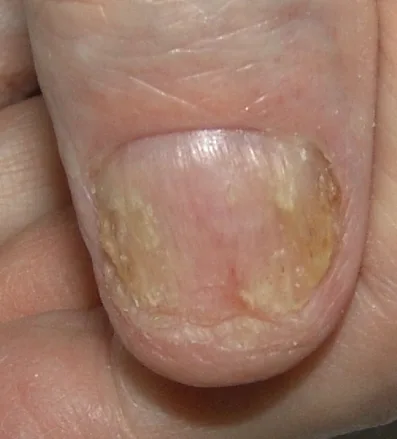
Cause: heavy metal intoxication from amalgam
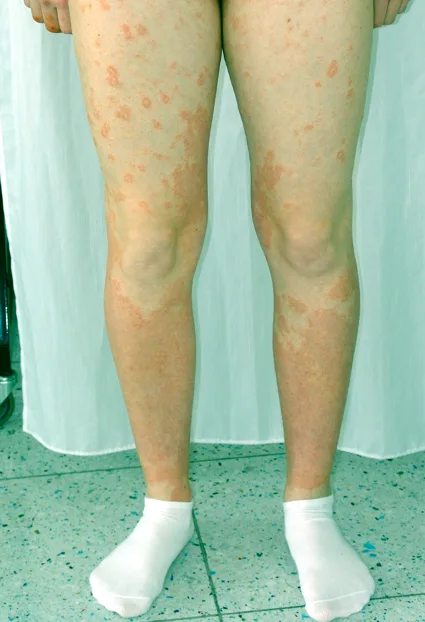
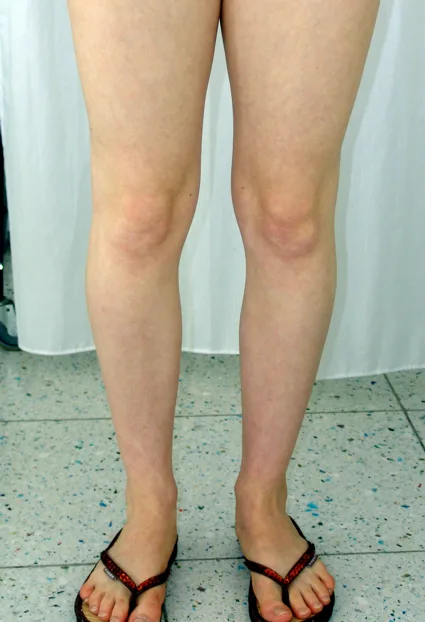
Cause: food sensitisation
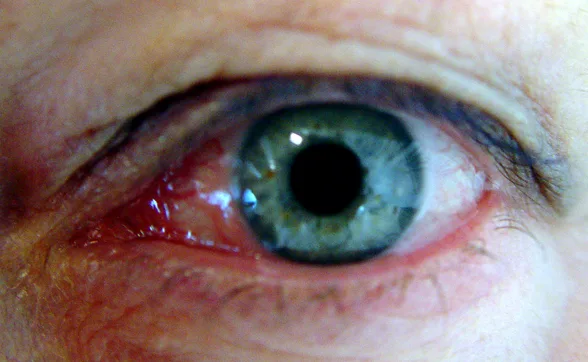
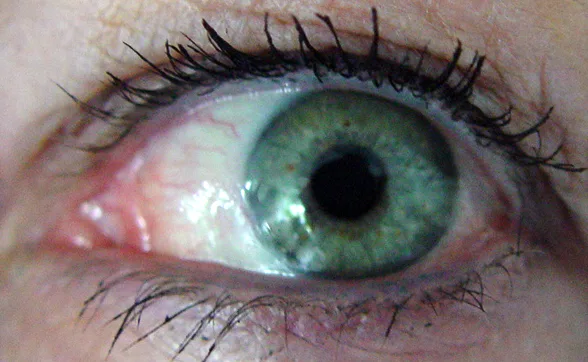
Cause: spread from a root-dead tooth
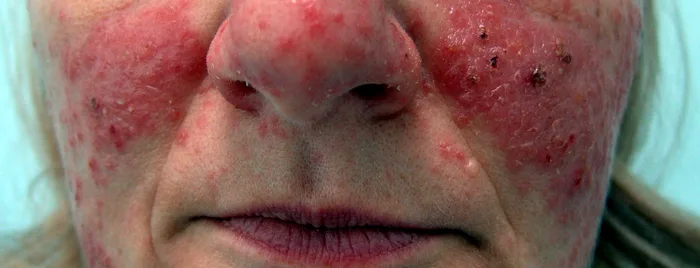
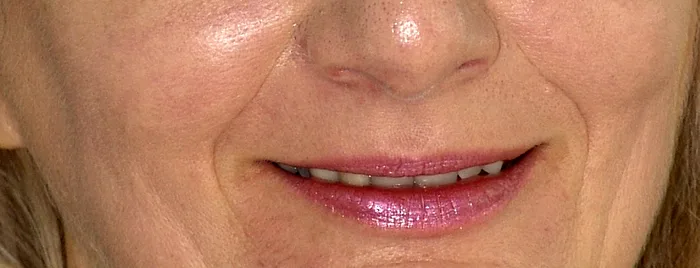
Cause: amalgam and spread from a root-treated tooth
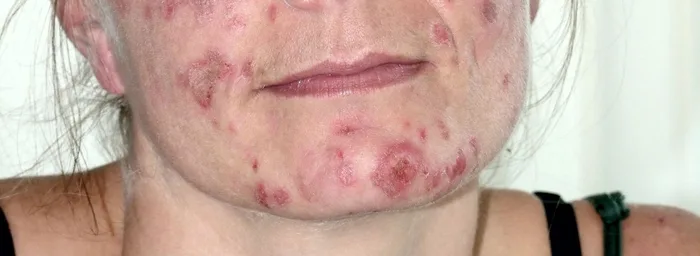
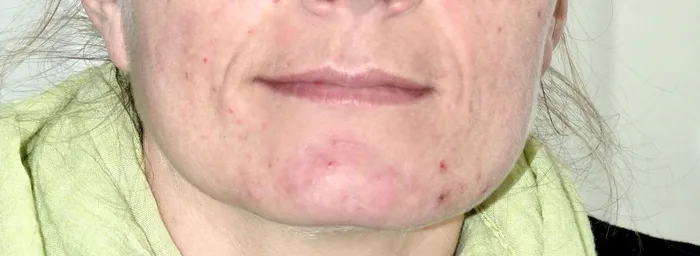
Cause: toxic fumes at the workplace
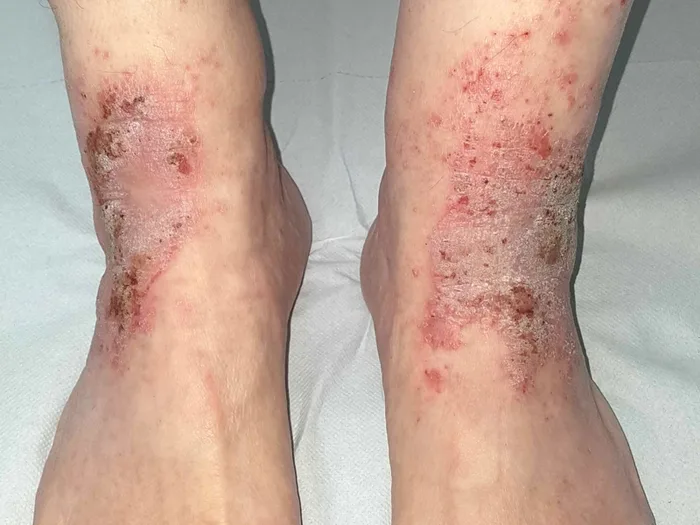
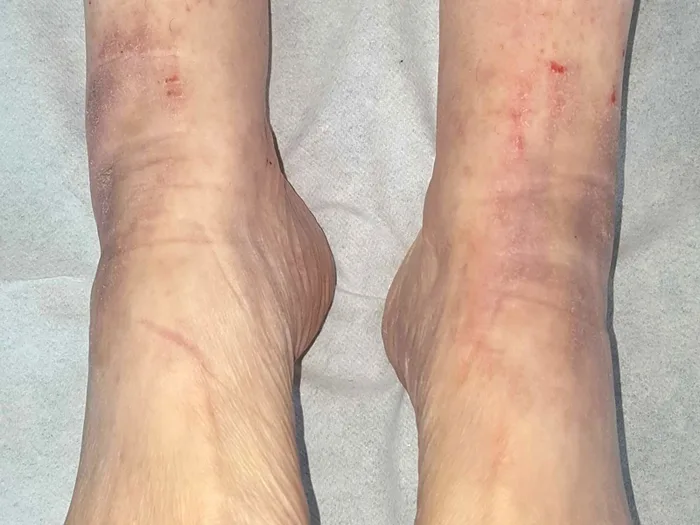
Cause: food sensitisation
Back on stage after ten years
A composer, musician, singer and dancer was practically bedridden for more than ten years. Treatment at the SGK was the turning point. Today he lives in Los Angeles and is pursuing his career as a musician again. He himself speaks of his ‘Healing Experience in Switzerland’.

More from him on his Instagram page. We tell his story with his express consent.