Clinical environmental medicine deals with the complex and varied influences of the environment on health. They include electrosmog, healthy living spaces, organic chemicals and mycotoxins.
The following sections go into the individual topics in more depth.
Clinical environmental medicine
Increasing environmental exposure and EHS/MCS as the tip of the iceberg
Clinical environmental medicine is a new branch of modern medicine that deals with the complex and manifold influences of the environment on health.
Who actually is a “clinical environmental physician”?
He is in search of the causes and is not immediately satisfied with a diagnosis. An environmental physician is like a “Sherlock Holmes” who tirelessly searches for the causes of the symptoms.
He knows the role of environmental factors in health and that people’s reactions to environmental factors can be quite different.
One aim of an environmental physician is, where possible, an aetiological (causal) therapy. The top priority is the reduction or an elimination of the exposure, and (if possible) an elimination of the toxins stored in the body so far. Promotion of the body’s own “defence systems”.
Close to the heart of a cause-oriented physician is above all primary prevention. He sees human beings and nature as a continuum.
Environmental physicians also deal with topics that are currently (unfortunately) still “controversial”, such as electrohypersensitivity (EHS), multiple chemical sensitivity (MCS), chronic fatigue (CFS), fibromyalgia (FMS), sick building syndrome (SBS), and with diseases or symptoms possibly caused by the environment.
Environmental exposures today
In the industrialised countries, the burden on people from chemical and physical impairments is constantly increasing. Newly developed chemical products, ever stronger electromagnetic fields and processed foods increasingly burden our bodies. According to the WHO (Report 2018), almost 24% of deaths worldwide are caused by environmental factors!1 If you want to be healthy (again), you must inform yourself thoroughly, actively avoid the harmful substances and remove the existing burdens in your surroundings and in your body. It is estimated that, as a tip of the iceberg, there are currently 3-5% very sensitive people in Switzerland who react even to the lowest concentrations of chemical substances, e.g. to fragrances or varnishes, or to weak electromagnetic fields, with various symptoms such as exhaustion, poor concentration, forgetfulness or pain. These people often suffer from so-called electrohypersensitivity (EHS) or from multiple chemical sensitivity (MCS) and act as a warning signal that we should take environmental exposures seriously. Unfortunately, EHS and MCS are still not officially recognised as illnesses, despite the enormous body of data and despite the enormous suffering of those affected. Although many of you know the MCS/EHS-suitable flats in Zurich Leimbach, many of those so affected often do not know that they are ill because of the environment, and very often these people are not taken seriously by those around them and by doctors.
Chronically ill from heavy metals?
Are you tired, exhausted, listless, depressed, or do you have impaired concentration, memory loss, or is your performance simply reduced? Do you suffer from migraine, muscle pain or joint pain, and nobody has yet found out what the cause is? Or are you prone to infections, do you have an autoimmune disease or an allergy? In the majority of cases the decisive cause is not found. Your complaints and illnesses are treated symptomatically. Without medication, however, your complaints return with full force, and you often have to increase the dose over time in order to suppress the symptoms effectively. Did you know that all these problems and many others, such as childlessness, impotence, high blood pressure, cardiac arrhythmias or dizziness, could in many cases be caused by insidious poisons from the environment and for the most part also by heavy metal exposure?4 Some heavy metals damage, directly or indirectly, the vital “power stations” (mitochondria) of our cells, which leads to the variety of symptoms. It is known that heavy metals markedly increase sensitivity to chemical substances and electromagnetic fields.
What can we do for you?
In the consultation for clinical environmental medicine we offer competent and highly individualised cause-oriented support based on the latest scientific findings, under the motto: “Healthy in harmony with nature”. We can search at all relevant levels for the possible burdens both in your surroundings and in your body. In our clinic, effective detoxification methods and holistic health-promoting therapies are available to you.
You have our guarantee that, with the most modern diagnostic and therapeutic approaches from the field of applied environmental medicine, we will do everything we can for you to improve your quality of life!
Environmental medical burdens
And the earth brought forth grass, and herb yielding seed after his kind, and the tree yielding fruit, whose seed was in itself, after his kind: and God saw that it was good.
This quotation from the first book of Moses 1.12. has hardly lost any of its validity today. On the contrary. This text wants to tell us nothing other than that what the earth gives us by natural means is good for us.
Whereas in earlier times it was epidemics and famines that carried off humankind, in the last century it has increasingly been burdening factors made not by God but by man that trouble us.
In principle - with the exception of genetic diseases - a human being is born healthy. With a sound way of life without unnatural harmful influences from outside, the normal ageing process is the limiting factor. With the advances of modern civilisation we are increasingly confronted with influences which are probably mostly well meant, but which in the long term have still been researched too little to rule out with certainty an impairment of our health.
The difference between the burdening factors of environmental and internal-environment medicine and acute illnesses or accidents lies solely in the factor of time. Whereas acute illnesses such as influenza, pneumonia or a sprained ankle are relatively easy to understand in their origin, chronic illnesses may develop only after many years or decades. Thus a connection can hardly be derived reliably, and certainly not scientifically.
With chronic influences we must distinguish two kinds of consequences for health.
1. Disturbance of bodily functions
2. Destruction of bodily functions
Disturbance of bodily functions
An illness due to harmful substances always begins with a disturbance of a bodily function. If this is recognised in time and neutralised by detoxification, a complete cure is possible. Such complaints can range from unclear gastrointestinal complaints through chronic exhaustion to rheumatic complaints.
For example, enzymes are inhibited by heavy metals. They can then no longer fulfil their function. If this inhibition takes place in the digestive enzymes, corresponding bowel problems are possible. If the complex functions in the energy production of the mitochondria are inhibited, energy production fails and we feel exhaustion.

Other environmental pollutants must also be questioned. We are now confronted with well over 100,000 different toxic substances in our daily lives, not to mention the many E-number substances, some of which are questionable.
The actual therapy therefore lies in investigating the sources of the burdens. Is it processed foods, environmental influences at the workplace such as in a cleaning firm or chemical laboratory, is it the dust generated on the building site or mercury vapour in the course of dental treatments?
Not to be forgotten either are the countless medications that we receive from the doctor with increasing age. If we are unlucky, further medications are then prescribed which “treat” the side effects of the others. Many of the SGK’s patients were “cured” simply by an overmedication being recognised and removed.
Unfortunately, however, it can also happen, if these factors remain unrecognised or are primarily so toxic, that permanent damage develops in the body. This brings us to consequence #2.
Destruction of bodily functions
Long-lasting burdens of environmental and internal-environment medicine can, after the stage of functional burden has gone unrecognised, cause lasting damage. On the other hand, there are interventions in our organism which are either tolerated, which will probably be the most frequent case, or which can nevertheless trigger illnesses in certain individuals. These again include certain dental applications such as amalgams or the placing of non-vital teeth. Vaccinations, too, must be questioned in the development of illnesses, above all on an immunological basis. Nerve damage also occurs with heavy metal exposure. These metals are deposited in the nerve cells, which are then perceived by the immune system as altered. The immune system thus does what it is intended to do, namely to eliminate what is foreign from the body. This is accomplished by way of inflammation. And already we have arrived at diseases such as multiple sclerosis or ALS. These diseases are incurable in traditional medicine and, even with knowledge of their possible origin via environmental medical burdens, can hardly be influenced by detoxification. Nevertheless it is worthwhile at least to try this therapeutic path. At the SGK, patients with such neurological diseases have already been treated successfully.
The treatment
It goes without saying that this form of medicine can only be an individual one. We take the time to find out all possible factors with you and to bring them into a possible relation to the illness. Once recognised, the burdening factors must be either avoided or eliminated. This can become a great challenge, depending on their importance in the life of each individual.
The next step is to eliminate the toxins that have been deposited in the tissue in the course of life by means of medication and infusions. For this, a wide range of options is available to you at the SGK.
Electrosmog
In recent years the modernisation of our lives has led to an enormous increase in technically generated electromagnetic fields, which cause immense environmental pollution with electrosmog. As a result, we are all constantly exposed to radiation that is millions of times more intense than the ultra-fine electrical and magnetic currents and signals of the body itself with which our brain and nervous system work. Prof. Dr. Jürgen Bernhardt, head of the Department of Medical Radiation Hygiene at the German Federal Office for Radiation Protection (BfS): “Each of us is constantly exposed, at the workplace and at home, to radiation that occurs in our natural environment only in vanishingly low intensities”.
Alternating magnetic fields, which largely penetrate the body, cause eddy currents in the tissue by induction, proportional to the frequency of the external field. Alternating magnetic fields thus have the property of producing currents inside the body and of disturbing the normal transport of ions across cell membranes.
A large number of studies on the biological effects of electromagnetic radiation confirm the manifold health-damaging effect of electromagnetic radiation. Typical signs are nervous complaints, unexplained stress phenomena, impaired concentration, headaches, loss of vitality, disorders of heart function, frequently interrupted restless sleep, depression, aggression, and reduced mental and physical resilience.
Alternating magnetic fields are measured in the unit tesla: tesla = magnetic flux density/magnetic induction. According to the recommendations of the Int. Society for Electrosmog Research, it should not be possible to measure more than 10 nano-tesla (nT) or 0.010 microtesla (uT) in the sleeping area, and not more than 25 nT or 0.025uT over a longer period in the living and working area.
Assessment
The preparation of expert reports with proposals for interference suppression can be carried out professionally. As a rough guide, however, a self-measurement is sufficient in many cases. An electrosmog test set serves this purpose; it can be rented from us and consists of a magnetic field detector, a teslameter and an electro-stress measuring device.
With a magnetic field detector, alternating magnetic fields of different frequency ranges are tracked down acoustically. Low-frequency alternating fields produce a deep, dull tone, higher frequencies higher pitches. The volume increases with the intensity of the alternating fields, so that the sources of interference can easily be identified. The measures for reducing exposure to electromagnetic radiation, e.g. increasing the distance from the radiation source, shielding the magnetic fields with mu-metal foils or switching off electrical appliances that are not constantly needed, can also be checked immediately and simply in this way.
A teslameter allows you to record the electromagnetic fields quantitatively and to classify them according to the recommendations mentioned above. Measurement becomes problematic in the vicinity of strong emitters such as transmitting antennas. Here the values seldom fall below the limit value even without fields inside the house! Make sure that the measuring coil, which is attached at the back to the inside rear of the housing, is always aligned parallel to the magnetic source under examination. If the radiation source is not known, the device must be rotated about the horizontal and vertical axes and the highest tesla value noted.
The electro-stress measuring device serves to measure the capacitive coupling of the body to alternating electric fields. The procedure here is somewhat more complicated. Before the measurement, switch on all electrical appliances and lamps in the room to be tested and in the adjoining rooms (if possible also in those below and above). Then measure once without and then with hand contact to the nearest wall. Then switch off, one after another, all electrical appliances and lamps, first in the room to be tested and then in the adjoining rooms, and observe the changes in the measured value. In this way you can find out which electrical wiring and appliances mainly cause your individual exposure to electromagnetic radiation. At seating and working places the measured values should not exceed 500 millivolts (mV) or 0.50 volts. For sleeping places, however, far stricter requirements are set in order to allow the necessary regeneration. Here, according to the current state of knowledge, compliance with a maximum value of 100mV or 0.10V is recommended.
Methods for reducing magnetic fields
Beds should be at least two metres away from electric hot-water boilers and storage heaters, refrigerators, electric cookers, washing machines, heating pumps, television sets, hi-fi systems, fuse boxes, roof-mounted power supply masts and all similar sources of radiation. Bear in mind that electromagnetic radiation penetrates walls, ceilings and floors and that a reduction can only be achieved by greater distance or shielding materials (see below).
Fig. right: socket in a hotel room...
Disconnect electrical appliances that are not constantly in operation (televisions, coffee machines, office machines) completely from the power supply when not in use. It is practical to use switchable multiple sockets or switchable plugs, or pull the mains plug out of the socket.
Make sure that your head is at least one metre away from heating and water pipes. Equalising currents often flow through these pipes, generating alternating magnetic fields in the immediate vicinity of the pipes.
Use heating pads and electric blankets only to warm the bed; heating pads and electric blankets that are switched off but still connected to the mains can also cause very strong electromagnetic fields.
If you do not want to do without a clock radio in the bedroom, use a battery-operated one or keep a distance of one metre from your head.
Power cables for lamps and other electrical appliances from which the distance cannot be increased should be replaced by shielded power cables that are metal-sheathed.
Automatic mains disconnectors: Their simple installation in the fuse box ensures that electrical wiring, lamps and electrical appliances are live only when electricity is actually needed.
Shielding foil: If the electrical wiring of a wall against which a bed stands cannot be made voltage-free at night by an automatic mains disconnector, the sleeping place can be shielded by a shielding foil specially developed for this purpose, which is fixed to the wall, dimensions 80x190cm.
Arbor shielding paint: In contrast to the shielding foil, it is suitable for larger areas. The shielding paint can be applied to plastered surfaces, painted walls, wallpaper, plasterboard, wood, wood-based materials and similar substrates, and can itself be painted or papered over as desired.
Mu-metal foil: This is a magnetic shielding foil with which a considerable reduction of magnetic fields, or with several layers even complete shielding, can be achieved. It consists of a special nickel alloy with an adhesive layer. The thickness is 0.05mm, the roll width approx.15cm.
Healthy living spaces
Ideal room temperature: living 20-21°C. Sleeping 15-18°C
Ideal relative humidity: 40 - 60%, < 30% too dry, >60% too humid: favours the growth of moulds)
Place your furniture 3-4cm away from the wall so that the air can circulate sufficiently here too (in this way you make life difficult for fungi).
Humidifiers (if needed at all): Use evaporator or steam devices (no atomiser devices) and clean them regularly: for humidifiers are a further source of fungi.
Air thoroughly but briefly 2-3 times a day.
Leave the window open while you sleep: every person gives off carbon dioxide. If the window stays closed, the carbon dioxide concentration in the bedroom slowly rises, which leads to a noticeable deterioration in the quality of the room air.
Make sure that electrical appliances (e.g. the clock radio) and installations such as cables and transformers are at least 2 metres away from where you sleep.
Smoking is indoor toxin number 1: make sure that nobody smokes in your home.
Use fragrance lamps and incense sticks in moderation. These too can lead to headaches.
Wherever possible, do without chipboard, or at least find out whether the chipboard has a quality mark (e.g. type V 100).
If you cook with gas, an extractor should be installed above the cooker to prevent exposure to nitrogen dioxide.
From a hygienic point of view, hard floor coverings (parquet or tiled floors, e.g. clay tiles) are preferable to carpets: carpets are ideal dust traps and often offer mites good living conditions.
Take care when shampooing carpets! In this way you bring moisture into the carpet (and not out again), which the mites particularly like.
If you nevertheless decide on a carpet, then have it stretched (not glued) in your room. This spares you what is in some cases a massive odour nuisance from the solvents in the adhesive.
Not everything that is biological is automatically healthy as well: for example, various paints based on natural resins are not harmless, particularly for people with allergies. Inform yourself beforehand.
Do without wood preservatives indoors; they are absolutely unnecessary.
Seek advice if you are planning a new building or a conversion. Prevention is better than cure!
Organic chemicals
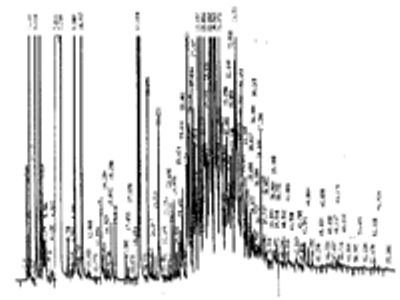
Low indoor exposure
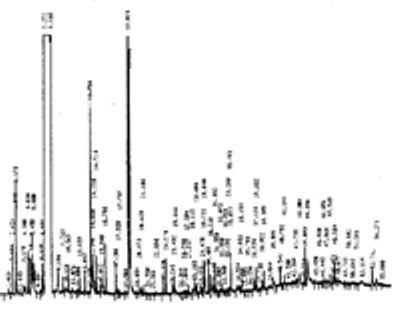
High indoor exposure
Effects of harmful substances on humans
Effects of harmful substances on humans from organic chemicals are known for a large number of substances, and in some cases even the lowest concentrations can lead to massive and not infrequently irreversible damage. An impressive example is the Seveso accident, in which polychlorinated dibenzodioxins (grouped under the collective term “dioxins”) were released. Subsequently, improved analytical methods made it possible to demonstrate a ubiquitous distribution of this class of substances in the environment.
According to the “Chemical Abstract Service”, about 8 million chemical compounds are known today, of which between 65,000 and 100,000 are manufactured commercially and are available on the market. A large number of these compounds do not occur in nature and were first synthesised by humans and introduced into our environment in the course of the last 100 years. There was therefore no possibility for humans to adapt to these substances in the course of an evolutionary development.
While dioxins can generally arise only unintentionally as by-products in chemical processes or in combustion processes, all the more consideration must be given to those classes of substances that have found wide use in pest control and in industrial processes. The so-called chlorinated hydrocarbons accompany our daily lives in the form of solvents, correction fluids, in dry cleaners, and are used in industry on a scale of tonnes for cleaning and degreasing processes. Another example is the polychlorinated biphenyls, which, because of their inert chemical and physical properties, have been used to a considerable extent as hydraulic fluid, plasticisers, flame retardants and for many other purposes. Because of their chemical stability, the polychlorinated biphenyls are degraded very slowly in nature and accumulate in the fatty tissue of animals and humans, so that their concentration increases along the food chain. However, the problem of such pollutant burdens was in part recognised only in the last 10 years.
Today the term “sick building syndrome” is familiar, which is due to the fact that pollutant burdens occur particularly frequently indoors, since numerous chemical compounds are used, e.g. in joint sealants, as adhesives for fitted carpets, as wood preservatives and for numerous other purposes. Under these conditions a complex set of symptoms can arise, with headache not infrequently being a first sign of exposure. In addition, impaired concentration up to states of confusion, nausea and vomiting, and allergic reactions of the skin and mucous membranes are known. In more recent studies, for example, a connection has been demonstrated between infertility in women and increased exposure to chlorinated hydrocarbons.
Below is a small selection of environmental toxins from the series of organic chemicals. The list could be continued endlessly.......
Pesticides
The collective term pesticides covers a large number of chemically very different substances that exert a damaging effect on organisms (animals, plants, microorganisms, viruses). Accordingly, a distinction is made between herbicides, bactericides, virucides, fungicides, insecticides, etc. Pesticide toxicology deals with the effect of pesticides on organisms other than the desired target organisms, especially on humans.
Pentachlorophenol
Pentachlorophenol (PCP) is a compound from the group of chlorophenols that is particularly frequently used industrially. It is used as a fungicide, disinfectant, wood preservative, leather protection agent and preservative, and by this route enters our environment widely. Its use as a wood preservative in particular has in some cases led to high levels of indoor exposure. It can outgas from pentachlorophenol-treated wood (e.g. ceiling and wall panelling) over long periods and lead to human exposure. While air concentrations outdoors lie in a range between 0.09 and 8 ng/m3, concentrations of up to 100 ug/m3 can in some cases be measured indoors. Worldwide production is likely to be approx. 90,000 tonnes/year. Pentachlorophenol can be contaminated by various accompanying substances arising during manufacture, e.g. with chlorinated phenoxyphenols and dihydroxybiphenyls as well as with dibenzofurans and dibenzodioxins. In 1989 a ban on the use of pentachlorophenol was adopted in the Federal Republic of Germany.
Pentachlorophenol is rapidly absorbed via the lungs, skin and gastrointestinal tract. Absorption on oral intake is likely to be 100%, on inhalation approx. 80%. Of the amount taken up, approx. 80% is excreted unchanged and approx. 20% is metabolised in the liver. The biological half-life is 18 - 20 days; because of its high lipophilicity the substance is stored in fatty tissue. Further accumulations are found in the liver and kidney.
Pentachlorophenol has a high acute and chronic toxicity. The acute toxicity is based essentially on an uncoupling of oxidative phosphorylation, so that the formation of ATP and cellular energy metabolism are impaired. As a consequence there is greatly increased metabolic activity with an increase in respiration rate and hyperthermia. With high exposure, death from heart failure can occur. Such deaths have been described within 4 hours of oral intake of 11g pentachlorophenol and also within a few hours with an absorbed amount of approx. 2 g of the chemical in adults. The chronic toxic effects of pentachlorophenol exposure can be manifold and comprise a highly varied set of symptoms. Systemic toxic effects manifest themselves in an increased susceptibility to infection, e.g. in the form of intestinal mycoses and recurrent bronchitis, cardiac arrhythmias in the form of bradycardia or tachycardia can occur. A general reduction in performance is frequently recognisable. Among the dermatological changes are acne (chloracne), boils, hair loss and eczema. The neurological symptoms are characterised by headaches, altered nerve conduction velocity, dizziness, pressure in the ears and disturbances of balance. In the endocrine system there are cycle disorders and increased infertility. The frequency of miscarriage rises drastically with increasing pentachlorophenol concentrations in the blood. The ophthalmological symptoms can include disturbed tear production. The immune system has proved to be a sensitive indicator of pentachlorophenol exposure.
Polychlorinated biphenyls
The polychlorinated biphenyls (PCB) are a group of 209 different compounds and are oils or waxy solids. Mixtures of chlorinated biphenyls came onto the market in the Federal Republic of Germany under the brand names Clophen, Phenoclor and Aroclor. These technical mixtures can contain up to 100 different polychlorinated biphenyls. They are non-flammable, chemically stable, have good dielectric properties, are non-corrosive, sparingly soluble in water and, not least, cheap to produce. Because of these properties, which are interesting from the point of view of application, they were used as early as 1929 in the electrical industry in capacitors and high-voltage transformers. Further areas of application are plasticisers for plastics, flame retardants and jointing materials. The use of PCB-containing joint materials can thus, as a result of outgassing, contribute quite substantially to indoor exposure to polychlorinated biphenyls. PCB-containing capacitors are also extremely widespread, e.g. in tumble dryers, extractor hoods, ironing machines and in fluorescent lamps. In the Federal Republic of Germany manufacture has been banned since 1983, and since 1972 PCBs may only be used in closed systems, e.g. transformers. This closed application, too, has since 1989 been possible only with a transitional period of 4 to 10 years. The polychlorinated biphenyls are, however, extremely stable and continue to be introduced into our environment, e.g. through transformers and capacitors of older appliances and via PCB-containing joint sealants. On combustion in a temperature range of 600-900°C the highly toxic chlorodibenzofurans and chlorodibenzo-p-dioxins can form.
Because of their chemical properties the polychlorinated biphenyls are fat-soluble, i.e. they accumulate in the fatty tissue of animals and humans. Humans, as the last link in the food chain, are particularly burdened. The biological half-life is over 90 days. The hydroxy derivatives arising during metabolism can, however, in some cases show considerably higher acute toxicities than the parent compounds. Acute mass poisonings from PCB-poisoned oil were observed in Japan in 1968. Nevertheless, the polychlorinated biphenyls are likely to have a comparatively low acute but a very high chronic toxicity. Thus liver tumours could be produced in animal experiments by PCB exposure. In humans there is a suspicion of a tumour-promoting effect or of an effect as co-carcinogens. Further toxic effects include dermatological disorders (acne, hair loss), hormonal and fertility disorders, a rise in cholesterol and neutral fats.
Chlorinated hydrocarbons
The term chlorinated hydrocarbons (chlorohydrocarbons, CKW) covers those halogenated hydrocarbons that contain chlorine. The chlorinated hydrocarbons have found extraordinarily wide use as solvents, degreasing agents and cleaning agents and as a starting point for chemical syntheses, and are among the most important groups of substances of ecotoxicological significance.
Dichloromethane
Dichloromethane is used as a solvent and aerosol propellant and can be contained in numerous paints and varnishes. Worldwide production is approx. 600,000 t/year, of which 160,000 t/year in the Federal Republic of Germany alone. In Germany, air samples contain approx. 2-40 ug dichloromethane/m3. The substance has a high density and shows good penetrating power, e.g. also into concrete floors, whereby the groundwater can be endangered.
The substance is absorbed very effectively from the intestinal tract and via the lungs. It is known to cross the blood-brain barrier and the placental barrier. Dichloromethane exerts toxic effects on the central nervous system, which can result in symptoms with headache and coordination disorders. Gastrointestinal symptoms are also known. Carcinogenic effects on inhalation are under discussion.
Chloroform
Chloroform (trichloromethane) was used as a solvent, in aerosol sprays, as a coolant and as a chemical intermediate for numerous syntheses. Production is approx. 250,000 t/year worldwide, of which approx. 40,000 t/year is accounted for by the Federal Republic of Germany. It was formerly often used in anaesthesia but is now regarded as obsolete. As a solvent and for local anaesthesia it was also used in medicines, but its use has been largely restricted because of its carcinogenic effect in laboratory animals.
Intake is likely to occur primarily via drinking water, secondarily via the air and lastly via food. After a single intake, approx. 50 % is excreted again unchanged via the exhaled air. Chloroform initially causes disorders of the central nervous system in the sense of general symptoms such as headache and confusion. Gastrointestinal disorders are also known. With more prolonged exposure there are hepatotoxic effects, which can lead to extensive damage to liver function. An oral intake of 10 ml chloroform can lead to death. Carcinogenic effects are known from animal experiments.
Trichloroethylene
Trichloroethylene does not occur naturally in our biosphere. Worldwide annual production is 600,000 t, of which approx. 30,000 t is accounted for by the Federal Republic of Germany. The greater part of the amount produced finds its way back into our environment via exhaust air and via waste. Its industrial use as a cleaning agent and solvent is particularly significant; at the same time trichloroethylene serves as an intermediate for chemical syntheses.
Trichloroethylene undergoes intensive metabolism, in which a whole series of highly toxic metabolites can arise. After inhalation, approx. 50 % - 65 % is primarily absorbed, of which approx. half is excreted renally within 3 weeks. Because of its high lipophilicity, trichloroethylene accumulates in fatty tissue. With longer-term exposure, liver and kidney damage is known. At the same time there are changes in the central nervous system, which can manifest themselves as headache, tiredness and confusion. There is an intolerance to alcohol.
Tetrachloroethylene
Tetrachloroethylene is used as a solvent in textile dry cleaning, but also as an extraction and cleaning agent and as an intermediate for the chemical synthesis of fluorocarbons. Worldwide production is 1.1 megatonnes/year, of which approx. 150,000 t/year is accounted for by the Federal Republic of Germany. The substance is highly volatile, and corresponding contamination has been detected in food shops in the vicinity of dry cleaners, particularly when the foodstuffs were offered unpackaged.
After inhalation, tetrachloroethylene is (predominantly exhaled again unchanged, but in part also stored in fatty tissue. Liver parenchymal damage can appear as a toxic effect. A carcinogenic potential is suspected.
Dichlorobenzene
3 isomers of dichlorobenzene are known, which are used as solvents, as pesticides and wood preservatives and as an important intermediate for further syntheses. Dichlorobenzene is also used as a moth poison and as an “odour killer” in deodorants. Dichlorobenzenes have a narcotic effect and can exert toxic effects on the central nervous system. Skin contact leads to skin irritation; with chronic exposure, irritation of the mucous membranes is also known. Carcinogenic effects have not been observed so far.
Aromatic hydrocarbons
The aromatic hydrocarbons are benzene and various substituted benzene derivatives. This class of substances is used both as an intermediate stage for countless chemical syntheses and as solvents. Uptake by humans occurs predominantly by inhalation, less through skin contact or food intake. Benzene and its derivatives can exert various toxic effects in the organism, which concerns above all the central nervous system and haematological changes. Hepatotoxic effects are also known.
Benzene
Benzene is a flammable liquid with the formula C6H6 and occurs in crude oil at a concentration of approx. 4 g/l. Benzene is used as an intermediate for numerous syntheses (polystyrene) and as a solvent and cleaning agent. Petrol contains approx. 2 % - 8 % benzene. Emissions in Germany amount to approx. 55,000 - 70,000 t per year.
The airways are the primary route of uptake for benzene. The toxic effects correspond to those of other aromatic solvents and primarily affect the central nervous system. Benzene intoxication manifests itself first in the central nervous system with dizziness, headache and nausea. Further harmful effects concern the blood system. Benzene is suspected of being able to trigger leukaemias and of having carcinogenic effects in general.
Toluene
Toluene occurs in petroleum and can be released naturally by forest fires. By far the greatest part, however, is introduced into our environment by humans; worldwide production is approx. 30 megatonnes per year. It is used as a starting material for various syntheses, as an additive to aviation fuel and as a solvent for rubber and fat, as well as a thinner for paints and varnishes. Uptake can occur via the airways and via the skin. Toluene is fat-soluble and accumulates in body fat. The toxic effects predominantly affect the central nervous system; at the same time liver and kidney damage can occur. Through inhaling the vapours of toluene-thinned paints and varnishes, intoxications among young people have already occurred with great frequency.
Detection
Detection is by blood analyses in a laboratory specially equipped for this purpose or by indoor air analyses.
Treatment
Avoidance of exposure! Detoxification through fasting, drinking cures, sweating cures, colon hydrotherapy, antioxidants, breathing therapy, among others.
Chemical air pollution
Air pollution
In recent decades the problem of air pollution has increasingly entered public awareness. In view of the dangers of acid rain, smog and forest dieback, indoor air contamination was often overlooked. Yet it is precisely in this area (homes, workplace, schools or public facilities) that we spend up to 90 % of our lifetime. The air quality of indoor spaces is therefore a decisive factor for our well-being as well as for our health.
Burdens caused by saving energy
In the course of the sensible efforts to reduce the energy losses of buildings, insulation measures not only drastically reduced the air exchange rate; the use of unsuitable building materials (chipboard, foams, adhesives, varnishes...) also placed an additional burden on indoor air.
Symptoms of illness
Indoor pollution is increasingly being linked to illnesses. The symptoms of illness caused by indoor air contamination are mostly of a non-specific kind. In many cases these are: irritation of the eyes, skin (rashes) and mucous membranes with dryness, irritation of the airways, hoarseness, headaches, tiredness and poor concentration, dizziness and nausea. The complaints increase during the stay in the rooms concerned and decrease again after leaving the building (holidays!).
Long-term effect
Human beings are exposed to the most varied environmental influences, which fill up the “human barrel” more and more. Each of us thus comes into contact with chemicals day after day. In addition, the pollutant load indoors is usually considerably higher than outdoors. In time, which may take longer or less long, our barrel is full: an allergy suddenly appears “inexplicably”. Indoor toxins not only lead to the acute complaints described above but also play a part in filling the barrel. Allergies are thus a frequent reaction of the body to indoor toxins. Children in particular are at greater risk than adults. Their barrel is, after all, smaller.
Sources
Exposure to volatile organic compounds today comes above all from building materials and furnishings. But cosmetics and felt-tip pens also give off organic gases. Some examples follow: solvents, adhesives, paints, cleaning agents, paint removers, polishes, varnishes, tobacco smoke.
Checking the situation indoors
To gain clarity about the situation within your own four walls or at the workplace, there are various methods for checking the situation: active sampling method, passive sampling method with pollutant monitor.
In the active sampling method, the air is drawn by means of a pump through a small tube that is filled, for example, with activated carbon. Here the volatile organic substances are “held fast” and then analysed in the laboratory. In the passive sampling method no pumps are needed. The pollutant monitor collects the substances “automatically”, so to speak. As the monitors are very easy to handle, you can carry out the measurement yourself. The sample is then likewise analysed in the laboratory and the result interpreted.
Instructions for using the 3M monitors for organic gases and vapours
Leave the monitor hanging in the room concerned for approx. 9-14 days (16 hours for formaldehyde) (see the section on sampling). During sampling, the doors and windows should remain closed as far as possible (no airing!) and there should also be no smoking in the room concerned. For calculating the concentration it is important that the exact sampling time is known. The time of the start of sampling and of its end must therefore be noted exactly.
- Place the monitor in the room in which you suspect the greatest air pollution. Hang the monitor up in the room using the cord supplied. Make sure that the distance between the monitor and the wall, furniture, curtains etc. is at least 60cm. Nor may the monitor be placed directly above a heater or a sink.
- The monitor and the transparent closure cap (needed only at the end of the measurement) are packed in the aluminium can.
- Remove the white plastic lid and open the aluminium can by pulling on the metal ring (Important! Carry out this step only when you actually want to begin the measurement.).
- Take the monitor out of the aluminium can.
- Note the monitor number on your sampling record.
- Note the date and time on your sampling record (start of sampling).
- Place the monitor in the relevant room, as described above.
- After sampling (approx. 9-14 days) you must remove the plastic ring with the white film.
- Immediately fit the transparent closure cap firmly (it must audibly click into place.). Make sure that both plugs in the closure cap are firmly closed. These ensure a gas-tight fit.
- Note the date and time on your sampling record (end of sampling).
- Put the monitor back into the aluminium can and close it with the white plastic lid.
- Once sampling has been completed, the passive samplers (fitted with the plastic cap and well sealed!) should be sent for analysis together with the sampling record immediately if possible (express delivery is not necessary!), but at the latest after 5 days (interim storage in the refrigerator).
Mycotoxins
Mycotoxins are highly toxic metabolic products of higher filamentous fungi, which arise naturally in the secondary metabolism of the micromycetes and are released into the medium. Poisonings by mycotoxins are referred to as mycotoxicoses, with the chronic toxicity of these toxins in particular needing to be borne in mind.
Several routes of uptake are possible, with uptake through food as a rule being the main source. Fungal growth during storage at the retailer’s or consumer’s is usually recognisable macroscopically, so that such foods can be discarded. On the other hand, however, mycotoxins can form even before and during the production of a food, in some cases even before the plants are harvested in the field. Since these toxins are frequently not destroyed during food production and processing, even foods that are visually completely unremarkable can contain mycotoxins. This is discussed further below. When contaminated feed is given to farm animals, residues can moreover occur in the edible tissues. In addition, direct uptake of mycotoxins through contact via mucous membranes and through inhalation of spores must also be taken into account. Finally, it must also be assumed that mycotoxin formation can occur in systemic fungal infections, as has been demonstrated in various animal species. The formation of mycotoxins during the multiplication of higher fungi in tissue presumably serves the active confrontation with the host organism.
Mycotoxins are in general low-molecular-weight substances that are largely heat-stable and are not destroyed in foods by thermal processes such as boiling, roasting, etc. After uptake into the organism, because of the low-molecular-weight structures no antibody formation takes place either, so that humans cannot build up corresponding protective mechanisms. In acute toxicity the mycotoxins mostly rank behind the bacterial toxins. With regard to their chemical structure, numerous mycotoxins behave like alkylating agents, which can actively intervene in the DNA or RNA synthesis of cells. Because of their intervention in the natural processes of cell division, such substances must be regarded as potential carcinogens. This applies, for example, to the aflatoxins.
Aflatoxins
The most important producers of the aflatoxins are the moulds Aspergillus (A). flavus and A. parasiticus.
Metabolism and toxicity
The target organ of the aflatoxin effect is the liver, with aflatoxin B1 having by far the greatest hepatotoxic and carcinogenic potential. Aflatoxin B1 is partly metabolised in the liver, and only a relatively small percentage is excreted in urine, faeces and milk. One metabolic product is aflatoxin epoxide, to which the actual mutagenic effect is attributed. Other metabolites, such as aflatoxin M1, can be detected, for example, in cow’s milk. The toxic activation to aflatoxin-7,8-epoxide is catalysed by the microsomal cytochrome P450 system of the liver (see also information sheet “Liver and detoxification”).
Numerous epidemiological studies from Third World countries such as China, Kenya, Uganda, etc. have suggested a causal connection with the increased incidence of primary hepatocellular carcinomas observed there. In these tropical regions the growth of moulds and thus aflatoxin formation is favoured. In Europe the aflatoxins are said to be of lesser importance, but it must be borne in mind that numerous foods, and above all also feedstuffs in animal husbandry, are imported from Third World countries. Corresponding regulations on maximum levels are therefore intended to limit the intake of aflatoxins.
Occurrence
Positive aflatoxin findings can frequently be detected in peanuts and peanut products, other nuts and dried figs. For Germany a maximum limit of 4ug/kg applies with regard to total aflatoxins for cereals, nuts, fruit, vegetables, dairy products, meat and offal, and of 0.05ug/Kg for dietetic foods for infants and young children. The occurrence of aflatoxin M1 in milk and dairy products can be something of a problem. Here Germany has a maximum limit of 0.05 ug/kg aflatoxin M1 for milk and of 0.01 ug/kg for dietetic foods for infants and young children.
Ochratoxin A1
Ochratoxin A is a coumarin derivative. In addition, ochratoxin B and ochratoxin C occur as esters of ochratoxin A. The highest toxicity, however, is found with ochratoxin A. The toxins were named after Aspergillus (A.) ochraceus, as this species was the first to be identified as a producer of these coumarin derivatives. In addition, other aspergilli such as A. glaucus, A. sulfureus and others, as well as Penicillium species, are also capable of forming ochratoxin A.
Sources
Ochratoxin A is widespread in numerous foods of plant origin. All native cereal species are affected. Ochratoxin A levels show a strong dependence on the condition of storage. In various European states corresponding limit values for cereals have been issued. Recently it has been established that coffee, too, is frequently contaminated with ochratoxin A. The feeding of ochratoxin-containing feed can lead to corresponding residues in the blood and tissues of slaughter animals, particularly in offal. High levels are detected above all in pigs. For the pig a biological half-life of 88.8 days was determined, and there are indications that considerably longer half-lives are likely to apply in humans. Very high ochratoxin A concentrations were found in the blood plasma of pigs. If this is used for sausage production, corresponding residues are also to be expected in sausage products. Humans, as the final link in the food chain, cannot escape this constant intake of ochratoxin A, and ochratoxin A is detectable in practically all serum samples in the German population.
Toxic effects
Ochratoxin A exhibits high nephrotoxicity, and animal experiments show a mycotoxic nephropathy characterised by tubular atrophy. In various animal species corresponding kidney damage can be produced experimentally with ochratoxin A. In addition, a further kidney-damaging fungal metabolite, citrinin, is also likely to play a role. The so-called Balkan nephropathy, which occurs endemically in humans in countries of the Balkans, shows a clinical picture similar to ochratoxin A intoxication in animals and has therefore also been linked to increased ochratoxin A exposure. This may possibly be attributable to the one-sided consumption of contaminated home-grown produce. The disease usually becomes manifest only at the age of around 25 to 30 years and is not infrequently fatal. Besides tubular damage, the function of the glomeruli also becomes impaired in the further course. While ochratoxin A in low doses initially has a nephrotoxic effect, hepatotoxic effects have also been shown at higher concentrations. At the same time there are also indications of a tumorigenic effect.
Zearalenone
Zearalenone is a metabolite of the secondary metabolism of field fungi, above all of Fusarium species. The toxic effect of zearalenone is based essentially on its oestrogenic properties.
Sources
Fusarium species can infest practically all cereal species in the growing areas of the cool temperate zones of Europe, Asia, North America and Australia. Toxin formation often begins on the cereal plant even before harvest and can then continue if the storage conditions after harvest permit this. Particularly large amounts of zearalenone are formed by the pathogen causing Fusarium ear rot of maize, Fusarium roseum. The feeding of zearalenone-contaminated feed can also lead to zearalenone exposure in farm animals.
Toxic effects
From animal studies, particularly in pigs, fertility disorders, pathological enlargement of the vulva and uterus, death of the foetuses and, in male pigs, testicular atrophy were observed under increased zearalenone exposure.
In humans, too, there may be a health risk if they take in zearalenone or the primary metabolites alpha- and beta-zearalenol with food, the toxic effects here also being determined by the oestrogenic properties. Studies from Costa Rica made a possible connection between early sexual development in male adolescents and zearalenone exposure appear probable. On the basis of the animal studies, an influence on conception, teratogenic effects on embryos and a possible promotion of liver tumours cannot in principle be ruled out in humans either.