Amalgam is a mercury-containing alloy that was used as a dental filling for decades. This page explains what amalgam consists of, how the mercury from the fillings gets into the body, which symptoms may indicate a burden and how we assess it.
A controversial filling material
As early as the middle of the 19th century, amalgam was banned for health reasons. A few decades later, its use had to be permitted again under pressure from the medical profession, because there were no alternatives. To this day, amalgam is regarded as one of the “best dental fillings”, though only with regard to cost and handling. It remains disconcerting that amalgam has to be treated as hazardous waste as soon as it has been drilled out of the mouth.
Today, other filling materials are available, and in Switzerland hardly any amalgam is used any more. We therefore see such fillings only rarely now, mainly in older people. Depending on the number and age of the fillings, symptoms can arise. The University Dental Clinic in Zurich has conceded that about 1 per cent of the population could have side effects from amalgam; that is likely to still be the case. In the estimation of representatives of holistic dentistry, the figure is likely to be far higher. Several countries have banned the use of amalgam, the Zurich University Dental Clinic removed it from the curriculum under Prof. Lutz, and important manufacturers have stopped production for fear of liability lawsuits.
What amalgam consists of
- Mercury: dangerous
- Tin: dangerous
- Copper: of concern
- Silver: of concern
- Zinc: harmless
Heavy metals can have a toxic effect by blocking vital enzymatic metabolic reactions. How long they remain in the individual organs varies greatly: from a few days through several months to decades (brain, kidneys and testes).
How the mercury gets into the body
We also take in mercury (Hg) through food, mainly through fish, seafood, cereals, potatoes and mushrooms. What is decisive, however, is this: most of this mercury is excreted again via the intestine. The mercury from amalgam, by contrast, is volatile. It is absorbed directly through the mucous membranes and is also constantly inhaled as vapour and absorbed in the lungs. Amalgam therefore remains a significant source of mercury.
How great the burden is depends on:
- The number of fillings
- The size of the fillings
- The degree of corrosion (dark colour instead of shiny silver)
- The age of the fillings (years to decades)
- The individual resistance of the person who has the amalgam
The release of mercury from the fillings is promoted by:
- Chewing
- Chemical influences: hot drinks, acidic foods or acidic saliva
- Electrochemical processes, especially when more noble metals such as gold or silver are close to the filling
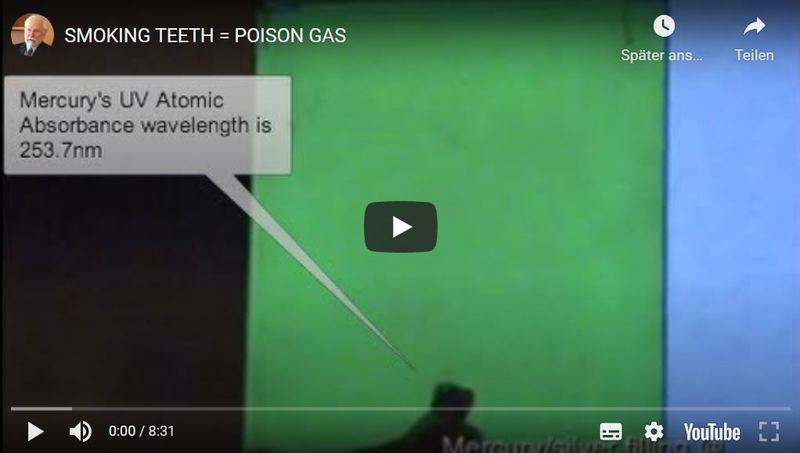
The film “Smoking Teeth” on YouTube shows how mercury vapour can rise from amalgam fillings.
Symptoms that may indicate a burden
There are no characteristic symptoms of amalgam poisoning. However, a slight tremor, headaches, impaired concentration or cardiac arrhythmias are frequently observed. In principle, the possibility of amalgam poisoning should be considered in all chronic complaints.
What you should bear in mind if you have amalgam fillings
Electric toothbrush
It is a blessing to be able to clean one's teeth effortlessly with an electric toothbrush. In a short time they are clean and feel as they do after a visit to the dentist. However, the vibrations cause amalgam to release various metals, including mercury, and in enormous quantities. Mercury is extraordinarily toxic and can trigger unexplained symptoms for years. People with amalgam fillings should therefore not use an electric toothbrush until all the fillings have been replaced, for example with composite resins.
Chewing gum
Much the same applies to chewing gum. Regularly chewing gum increases the abrasion of mercury from the amalgam fillings several times over. Over the years this can lead to health disorders. What may be affected above all are the bacterial flora in the intestinal tract and the nervous system.
A case example: A patient has suffered from migraine for 10 years. All neurological examinations are normal. She has amalgam fillings and chews gum all day long. The “therapy” consists of a ban on chewing gum. Just a few days later the headaches have disappeared for good.
The general recommendation for everyone who has amalgam fillings: chew well when eating, as is proper, and otherwise do without chewing gum.
Assessment
Mercury challenge test (Dimaval test)
Only the Dimaval test gives a clear statement about the size of the mercury deposits in the body. In this test, DMPS (2,3-dimercapto-1-propanesulphonic acid, sodium salt) is administered intravenously. The agent binds the mercury present in the tissue and carries it to excretion via the kidneys, so that it can be measured in the urine. The test takes about 45 minutes. In known kidney weakness it must not be carried out, or only with caution.
The procedure:
- Baseline urine sample with a check for protein
- DMPS intravenously, 3 mg per kilogram of body weight
- Wait 45 minutes and drink a certain amount of water during this time
- Then provide a urine sample
- The laboratory measures only mercury or, depending on the question, other heavy metals as well.
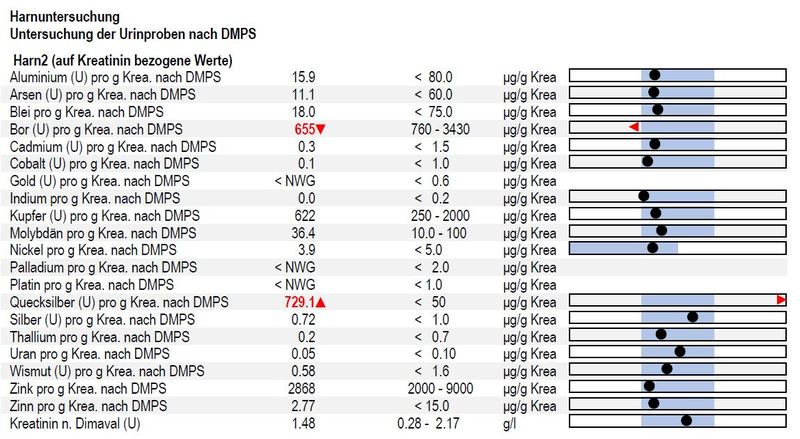
- Because urine can vary in concentration, the measurement is standardised and stated per gram of creatinine (µg/g crea).
This is how we read the result:
- Up to 50 µg/g crea: generally tolerated without problems
- 50 to 100 µg/g crea: grey zone
- Over 100 µg/g crea: raised
- Over 300 µg/g crea: greatly raised
- Over 600 µg/g crea: extremely raised
A sample report on which the mercury burden is clearly recognisable:
Chewing gum test
Whether the fillings play a significant part in the mercury burden is shown by the chewing gum test: after chewing gum, the mercury content of the saliva is determined.
- Collect saliva for 5 minutes
- Chew gum for 5 minutes, collecting saliva while doing so
- Extrapolation to 24 hours, assuming 2 hours of chewing and 22 hours without chewing per day
Please note: if the values are raised, regular gum chewing is a health risk.
Hair mineral analysis
Hair mineral analysis is not suitable for diagnosis.
Palladium in gold fillings
Gold fillings often contain palladium. This is not harmless, because sensitisation to palladium is common. Palladium inhibits numerous enzymes in humans and animals and frequently leads to disorders of the nervous system and of the heart rhythm.
The dental industry distinguishes between palladium-copper alloys and palladium-silver alloys. Both contain at least 50 per cent palladium. Palladium belongs to the platinum group and, as a precious metal, is extremely resistant to chemical attack. However, the copper-containing palladium-based alloys in particular cause irritation of the small and large intestine, the kidneys and the liver. Palladium-silver alloys, by contrast, show good biological compatibility.
The number of materials used in the mouth should always be as small as possible. If metal-containing constructions are necessary, gold-platinum alloys and titanium constructions are to be preferred. Only alloys whose biological safety is confirmed by certification should be used. In addition, an alloy passport should be issued that states the exact composition of the dental alloys used.
Amalgam replacement
It has now been proven that the heavy metals in amalgam, above all mercury, can cause damage to health: primarily neurological disorders, gastrointestinal problems and autoimmune diseases. As part of prevention, and also in the causal treatment of chronic diseases, it is therefore necessary to replace the fillings with healthy alternatives.
We generally advise against the treatment of a dental focus or an amalgam replacement without a thorough prior assessment. Not all amalgam fillings have to be removed immediately, and the treatment plan should also fit the patient's budget.
Amalgam replacement is a task of great responsibility for the dentist. If the fillings are removed improperly, the result is an even greater burden: from swallowed amalgam dust and inhaled mercury vapour. A long ordeal can result. The following steps show how amalgam should and can be removed without causing a burden. They are minimum accompanying measures.
Before amalgam removal
- The dentist must personally be convinced that it is necessary.
- Discuss the individual treatment steps with the dentist on the basis of this guide.
- Today, replacement fillings can be tested for tolerability beforehand.
- Palladium-containing fillings must be refused.
- Selenium is an important trace element that is able to bind and neutralise mercury (Hg). The mercury selenide formed in the process is harmless. For this reason, everyone with amalgam fillings should take selenium, preferably sodium selenite (and not selenium yeast).
During amalgam removal
These measures are intended to avoid a temporary additional burden of amalgam on the organism.
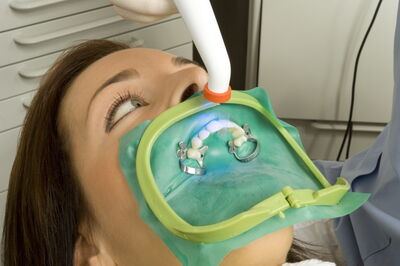
- Amalgam removal in small steps, depending on general symptoms and history: on average 2 to 3 teeth every 6 weeks. Variations according to the patient's constitution and the dentist's judgement. Pregnant women and breastfeeding mothers must wait with a replacement for the time being.
- During the replacement, no mucous membrane may be injured (amalgam particles).
- Amalgam removal well into the “healthy” tissue.
- Teeth permeated with grey must be extracted (as must the dead, root-filled ones in most cases).
- Severely damaged teeth can often no longer be restored with fillings. A crown is then indicated. This can often only be established once the amalgam fillings have been removed.
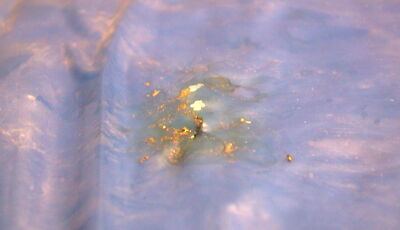
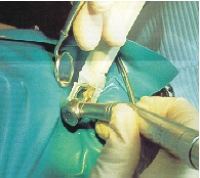
- Rubber dam (covering of the oral mucosa and the remaining teeth) or Clean-Up system. The picture of the collected amalgam fragments shows what one would swallow and inhale without this protection.
- If the rubber dam membrane is damaged, it must be replaced with a new one immediately.
- When drilling, use a low speed (the higher the speed, the finer the Hg dust) and break out as much amalgam as possible. Exception with the Clean-Up system: here a high speed and a drill that is as new and sharp as possible may and should be used (gentler on the tooth).
- At least double-strength suction from two suction systems and a separate saliva ejector under the rubber dam. Never use the same suction tip to suction below and above the sheet (carry-over of mercury dust).
- Selenium 200 µg in the morning and evening, and on the day of the amalgam replacement additionally one hour before and after the dental appointment. In addition, rinse the mouth thoroughly with selenium directly after the removal.
- Has the source now been eliminated, including under the crowns?
- Keeping your own record of your dental treatments and filling materials is highly recommended, so that in 10 years' time you will still know, independently of the dentist, what you have in your mouth (dental or health passport, available from us free of charge). This is also particularly worthwhile for children, from the very beginning, in the same way as the vaccination record.
After amalgam removal
- Continue taking selenium, together with the antioxidants zinc, vitamin C and vitamin E.
- Ideally, each dental session would be followed by an elimination infusion with DMPS, on the same day or the following day.
- Continuous mercury elimination is of fundamental importance. The options must be discussed with the doctor.
- High fluid intake
- Regular sweating, sauna
- Dimaval mobilisation test at a sufficient interval after removal of the last amalgam filling, in order to assess the tissue burden still present.
Patients' experiences
From a letter to the clinic
“It is only a few months since I got my first appointment with you. As I told you at the time, I had, so to speak, a lengthy bout of ‘doctor shopping’ behind me. I really no longer had much hope that anything much would still change in my miserable condition. I still remember: when you spoke of possibly changing something about my teeth, I was not very enthusiastic, because I could not imagine that my nerves would endure additional torment. But you told me that if I was coming to you asking for help, then I must also be prepared to accept your advice. How glad I am that I did. Even though removing the amalgam from my teeth involved a certain amount of time and strain: it was very much worth it. As soon as the first filling was out, I felt a change. In between there were also days again when I had terrible headaches and the constant fluttering in my body. But little by little things are looking up, and everything will get better again.
It is fantastic to lead a life worth living again. For life has so many beautiful things to offer. I am also so happy to be looking after other people again, and things that give me pleasure.”
Patient H. G., born 1947
For several years the patient had suffered from increasingly intense rheumatic complaints. From November 2006 the pain again increased markedly. The conventional medical diagnosis was “polymyalgia”, with the consequence of taking cortisone for life. When an attempt was made to stop the cortisone, the pain increased again as well.
The examination at our clinic revealed a significant mercury burden from the plentiful amalgam fillings. We recommended restoring the teeth metal-free; in addition, detoxification with selenium was carried out. After this treatment the rheumatic pain decreased steadily, and shortly afterwards the patient was completely free of symptoms. His quality of life, he says, is “as it has not been for a long time”. He says he no longer needs any anti-rheumatic medication, and that he is also doing considerably better psychologically.