From our research: the scar test with the acupressure pen
As interference fields, scars can trigger complaints far away from the scar itself. You cannot tell by looking at them. Out of many years of practice, Dr. med. John van Limburg Stirum has developed a simple and effective method for this: the scar test with the acupressure pen. It assesses a scar’s interference potential through its sensitivity to touch.
In neural therapy it is still taught today that all scars should be injected. The scar test makes a targeted approach possible: only the scars that are actually interfering are treated.
The method was developed on the basis of the neuronal physiology that we have studied in connection with the acid–base balance.
How the test is done
- The acupressure pen is drawn lengthwise along the whole scar with light pressure.
- The sensation on the scar is compared with that on the surrounding skin.
- If the scar is clearly more sensitive, sharp or painful, it has interference potential. This often shows in the reaction itself, as in the first video.
- After neural therapy into the scar the test is repeated. If the sensitivity has gone, the interference has been cleared, as in the second video.
What the test achieves
- Instead of injecting all scars, as is taught, only what is interfering is treated.
- It is simple, quick and needs no equipment apart from the acupressure pen.
- It shows which scars should be treated, including small and barely visible ones.
- It makes the success of neural therapy immediately visible, for doctor and patient alike.
In neural therapy, a low-dose local anaesthetic is injected in a targeted way into the skin, into scars or at nerve ganglia.
Complaints that arise from an irritation zone, for example from a scar, can often be relieved or resolved astonishingly quickly in this way.
An example from practice: A.H. has suffered from cardiac arrhythmia for many years. Because the medicines tried so far have not helped, heart surgery is being considered. On questioning, it turns out that the complaints began after an operation for a fracture of the lower leg. While the injection into the scar is still under way, the arrhythmia disappears. What has happened?
What is neural therapy?
Its basis is the autonomic nervous system, a vast network of lines with a total length of around 450,000 kilometres. It links each of our trillions of cells with all the others into a living whole and, without any effort on our part, controls processes such as breathing, circulation and body temperature.
But disturbances can also spread through this network and trigger complaints in distant places. The symptom is then treated as the illness, while the actual cause goes unrecognised. We assume that some chronic illnesses are triggered or encouraged by such irritation zones. Neural therapy targets these irritation zones.
Irritation zones
What are irritation zones?
Irritation zones are areas of pathologically altered tissue that constantly send very fine impulses to the autonomic nervous system. Over time, these constantly recurring stimuli can cause complaints, even in quite different parts of the body. Irritation zones often arise after operations, injuries, inflammation or infections. In principle, any part of the body can become an irritation zone. The most common are:
- scars, even the smallest and barely visible ones
- diseased teeth
- tonsils, including those that have been operated on
- irritated paranasal sinuses
- the female pelvis, involved in many complaints such as menopausal symptoms, period pain, heavy bleeding, cycle-related headaches, discharge or cystitis
- foreign bodies and foci of bacteria
That is why it is important to know your medical history in detail. Clues come above all from the most physically or emotionally stressful events in your life and from connections in time, such as rheumatism after a tonsil operation, asthma after a pregnancy or an allergy after a stab wound. A connection is often not obvious at once, because the triggering event lies years before the illness broke out. The search calls for detective instinct on the part of the doctor and often for patience on the part of the patient.
How can I recognise an irritation zone?
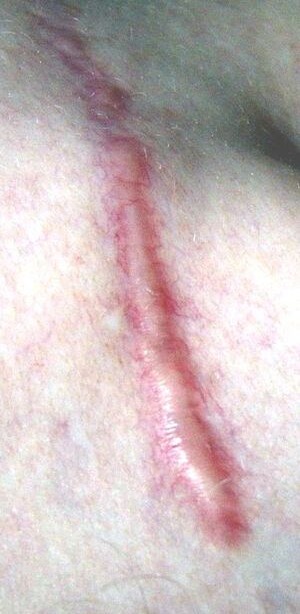
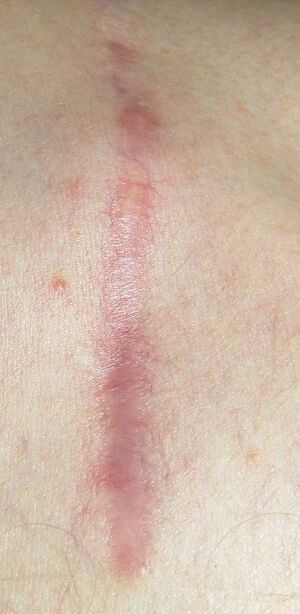
This is easiest with skin scars. Scars that cause a disturbance often make themselves felt: they hurt when the weather changes, itch or are sensitive to pressure.
You can also check your scars yourself: with light pressure, run a narrow, blunt object, such as the tip of a ballpoint pen with the refill retracted, along the length of the scar. Compare the sensation with the surrounding skin. If the scar is more sensitive or you feel a cutting sensation, an irritation zone is likely.
It is remarkable that scars which cross the acupuncture meridians are more likely to cause a disturbance than those that run lengthwise. Scars that run across include those from a caesarean section, an operation on the womb through the lower abdomen or the appendix; most scars from heart operations and abdominal operations with a midline incision run lengthwise.
How does neural therapy work?
The autonomic nervous system
Walking, eating, working: what we do consciously is controlled by the voluntary nervous system. Heartbeat, breathing and digestion, on the other hand, run without any effort on our part. This is the work of the vegetative or autonomic nervous system, which far exceeds the voluntary one in extent. It makes the heart beat faster during exertion, decides whether we sweat while doing so, makes us blush with embarrassment and makes our hair stand on end with fear.
It consists of two opposing players, similar to the yin and yang of Chinese medicine: the sympathetic nervous system stands for readiness to perform and for drive, the parasympathetic nervous system for rest, recovery and digestion.
- Pumping capacity of the heart
- Sympathetic:
- Parasympathetic:
- Blood pressure
- Sympathetic:
- Parasympathetic:
- Heart rate
- Sympathetic:
- Parasympathetic:
- Breathing volume
- Sympathetic:
- Parasympathetic:
- Bronchi
- Sympathetic: Dilation
- Parasympathetic: Constriction
- Basal metabolic rate
- Sympathetic:
- Parasympathetic:
- Saliva
- Sympathetic: thick
- Parasympathetic: thin
- Urge to urinate
- Sympathetic:
- Parasympathetic:
- Bowel activity, bile
- Sympathetic:
- Parasympathetic:
- Pupils
- Sympathetic: Dilation
- Parasympathetic: Constriction
- Adrenaline
- Sympathetic:
- Parasympathetic:
- Eyelid opening
- Sympathetic: wide
- Parasympathetic: narrow
The autonomic nervous system runs through the whole body like a dynamic network; its fibres end in the connective tissue. In health, its signals are in balance and even out disturbances. But if harmful influences do not subside, for instance after an injury, an operation, dental disease or inflammation, they can take on a life of their own. The impulses are then passed on constantly: the sympathetic nervous system is activated, as in stress, and the parasympathetic nervous system is inhibited. Given the enormous extent of the network, the most varied complaints can result.
The same network ensures that the pain of a heart attack radiates into the left hand and that of gallstone colic into the right shoulder, and that a hot-water bottle eases intestinal cramps. In and near the spinal cord, some nerve fibres amplify the transmission of signals while others inhibit it (“gate control”). Chronic interfering signals can upset this balance. Pain signals that would otherwise not reach consciousness then pass unfiltered to the brain and are felt as chronic, seemingly inexplicable pain.
What the injection does
A healthy nerve cell carries an electrical charge of about 90 millivolts at its outer membrane. Pathological changes lower this energy level; the cell loses its stability and sends out uncontrolled stimulus signals. Just as a jamming transmitter spoils radio reception, the language of our nervous system then only comes through as a crackle.
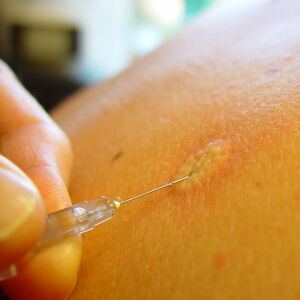
In neural therapy, a local anaesthetic is injected in a targeted way, usually procaine or lidocaine. This is done with wheals, small injections into the skin, with small injections into scars or with deeper injections at nerve ganglia. This sets two processes in motion:
- The “jamming transmitter” is switched off at once, partly or completely. The body is rid of the interfering signals, and the “language” of the nervous system sounds clear again.
- The local anaesthetic makes the area numb, as is familiar from the dentist. The nerve cell loses its pathologically altered charge and is immobilised, like a broken bone in a plaster cast. In the hours during which the drug takes effect, it can recover and recharge its energy. Afterwards it builds up a healthy, stable charge again.
You can think of it like restarting a computer that has frozen: the autonomic nerves then resume their normal work. Once the irritation zone responsible has been found and switched off, the complaints can ease quickly, sometimes within seconds. This is known as the “Huneke lightning reaction”, named after the discoverer of neural therapy. Such lightning reactions are rarer today than they used to be, possibly because of the many burdens of environment, stress and diet.
What is neural therapy used for?
The range of applications is wide. Neural therapy is used above all for long-lasting and constantly recurring complaints, for example neuralgia, migraine, glaucoma, inflammation of the eyes, ear complaints, asthma, hay fever, nervous complaints, digestive problems and rheumatism.
Because muscles work, in a certain sense, in a similar way to nerve cells, neural therapy also helps with tension and muscle cramps.
It is also worthwhile for deep-lying scars, for example after an operation for a slipped disc. Remaining local or radiating complaints can often be relieved effectively by injections into the scar. Interestingly, conspicuous scars often become less noticeable after neural therapy and no longer feel “foreign”.
The stellate ganglion
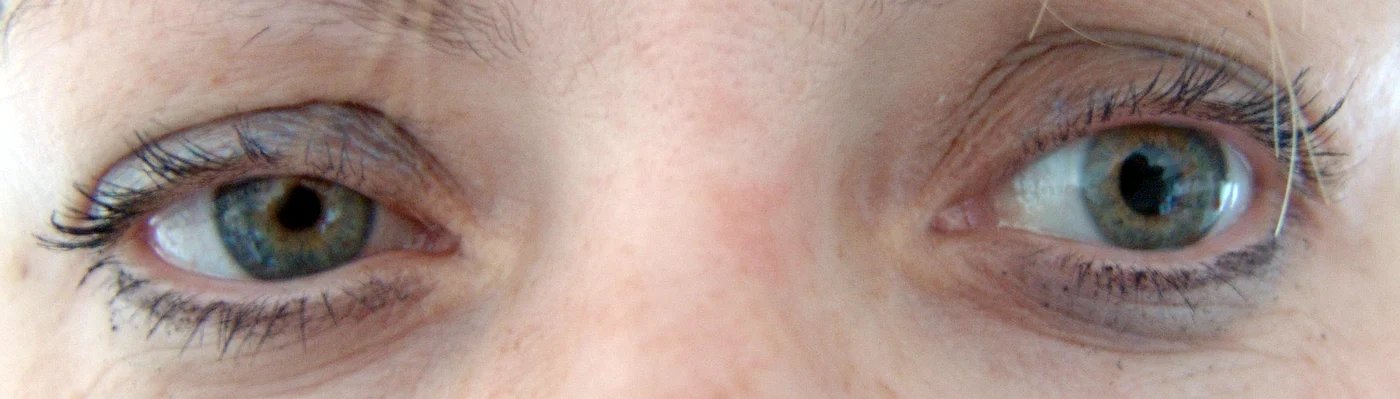
One of the most important nerve ganglia in neural therapy is the stellate ganglion at the side of the neck. It controls the sympathetic nervous system in the upper quarter of the body, that is, the upper chest, the arm and the same side of the head. The injection temporarily switches off the sympathetic nervous system there, and the parasympathetic nervous system predominates. This is easy to see in the eye on the treated side (compare the overview above): the eyelid droops a little, the eye becomes slightly red and the pupil narrows.
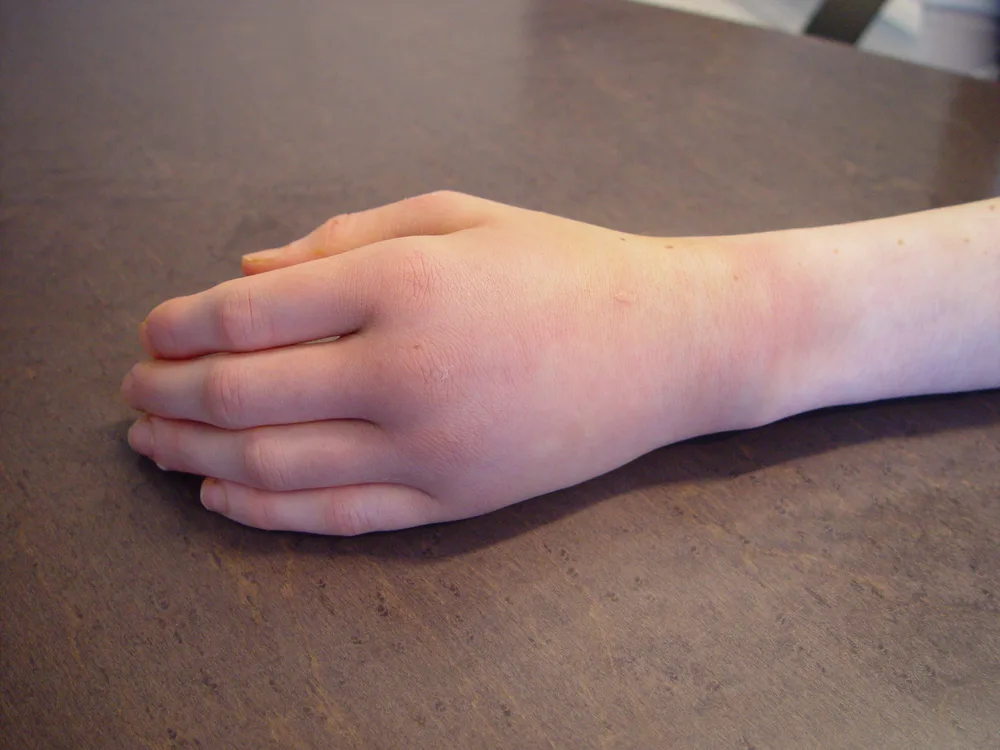
A rewarding application is Sudeck’s dystrophy (complex regional pain syndrome), a dreaded complication after operations and accidents, above all on the arms and hands. A kind of inflammatory reaction sets in, as if the body wanted to reject the limb. This process, too, runs via the autonomic nervous system and can therefore often be influenced with neural therapy. Mrs J.K., for example, suffered from pain and swelling of the left hand that had developed a few weeks after a burn. A few days after the injection at the stellate ganglion, the hand was clearly slimmer and the pain had practically disappeared.
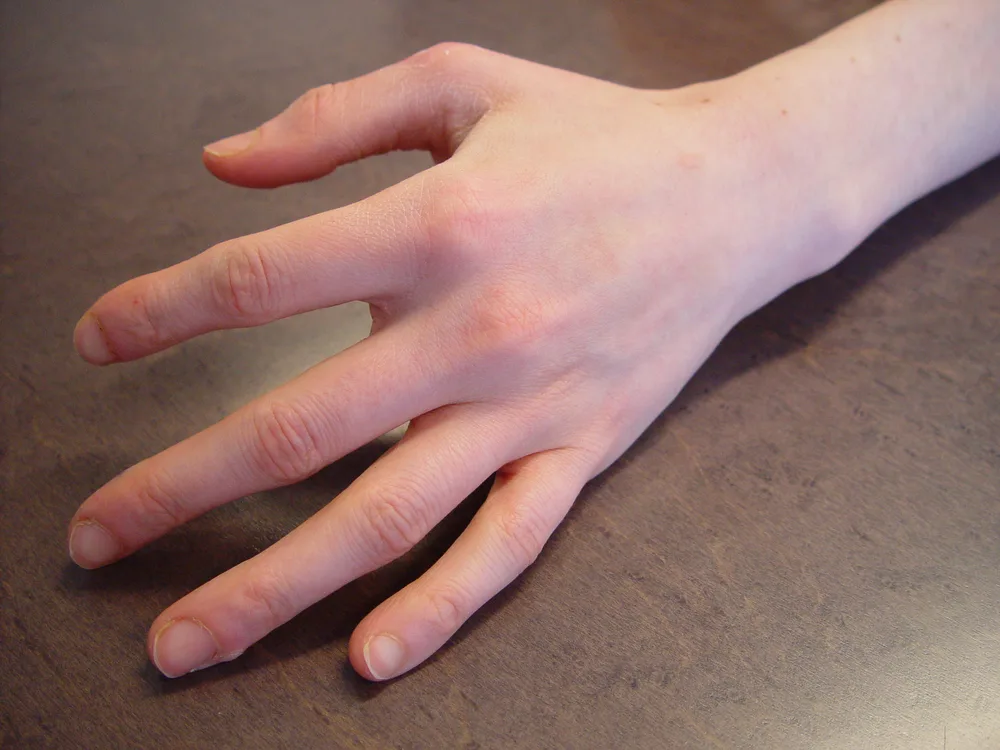
Other applications at the stellate ganglion are tinnitus, migraine, circulatory disorders in the arm (“dead fingers”) or in the head, for instance after a stroke, and glaucoma. The earlier the treatment, the better the prospects.
Limits of neural therapy
Neural therapy can only work if the tissue is still able to recover. This is usually the case as long as there are complaints but the examinations “find nothing”. The complaints then often fluctuate over time, up to periods entirely without complaints. If, on the other hand, tissue has already been destroyed or an organ altered, as with gallstones or tumours, no significant effect can usually be expected. Nor can it with severe mental illness, hereditary diseases, diseases of the brain, stiffened joints or advanced infectious diseases that require treatment with antibiotics.
Applied correctly, neural therapy is well tolerated and, for many complaints, an effective method of stimulating the body’s self-healing powers. What it can do in your case and where its limits lie can be clarified in a consultation.
Case examples from our practice
- R.B. has suffered for several years from eczema on the buttocks; previous treatments were unsuccessful. His scars from appendix and Achilles tendon operations are sensitive; when the Achilles tendon scar is tested, he feels sick. After the scars have been treated, the eczema has disappeared.
- For decades, B.R. has had diarrhoea after meals. In 1966 he had a bicycle accident that left extensive scars on his lower legs, which are sensitive when tested. After neural therapy, together with colon hydrotherapy (colonic irrigation), the diarrhoea has disappeared.
- After a carpal tunnel operation, B.F. has remaining pain in the hand, and a further operation is planned. After neural therapy into the scar she is free of complaints, and the operation is cancelled.
- D.L. has chronic pain after a fractured coccyx, which threatens her work as an organist. The planned removal of the coccyx can be cancelled after a single deep neural therapy injection at the sacrum. She is free of complaints.
- D.S. is losing an unusual amount of weight, feels pressure in the stomach even after small portions and has recurring nosebleeds. A scar on his right lower leg is treated with neural therapy. Since then he has been able to eat normal portions again, is finally gaining weight and has had no more nosebleeds. Four years later he is still free of complaints.
- In puberty, J.H. is severely overweight and does not lose weight even on the strictest diet. At the age of 11 he had an operation through the abdominal wall for a testicular condition. After neural therapy into the scar, he loses weight rapidly even though he is eating normally again.
- A 35-year-old patient gave birth to a healthy child by caesarean section 6 years ago. Since then, despite wanting another child, she has not become pregnant again. On examination, the caesarean scar turns out to be an irritation zone because of its increased sensitivity. After it has been treated, she becomes pregnant the very next month.
- How long an irritation zone can remain active is shown by a patient of Dr. med. Andreas Beck, Bern, who came to him at the age of 93. Since an attack of shingles on his face at 20, he had suffered twice a week from migraine and trigeminal attacks that responded to no treatment. After a single injection into a scar from the shingles the size of a grain of rice, the complaints disappeared for good after 73 years.
- A lawyer of almost fifty, in his own words a sober person who believes in the natural sciences, suffered for over twenty years from very severe, attack-like headaches on the right side, in the end several times a week. Countless examinations and treatments in clinics and with doctors in Switzerland and abroad brought no lasting improvement; the painkillers worked less and less and damaged his stomach and bowel. His family doctor, Dr. med. John van Limburg Stirum, finally suggested neural therapy. After only the second injection at the nerve in the neck, the attacks became less frequent and weaker, and after a few more they disappeared completely. “For me, a new, pain-free chapter of my life began about a year and a half ago, something I hardly thought possible any more after suffering for so long.”
Request an appointment
Would you like to find out whether an irritation zone could be behind your complaints?
More on neural therapy from the Swiss Medical Society for Neural Therapy (SANTH): www.santh.ch