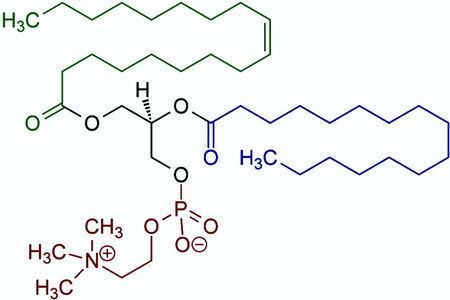
Lipid Exchange Therapy is used for two main indications
- Circulatory disorders
- Detoxification
CIRCULATORY DISORDERS
Lipid Exchange Therapy consists essentially of infusion treatments with essential phospholipids (EPL). The particularly effective component is phosphatidylcholine, which, when given intravenously, has been shown to be able to remove deposited fats from the inner vessel wall and, preventively, to stop cholesterol from being deposited again.
The main areas of application are promoting arterial blood flow in atherosclerosis, because it breaks down plaques, lowering the cholesterol level and dissolving fat emboli (globules of fat that block the vessels in the lungs).
Effects of Lipid Exchange
- reduces atherosclerotic plaque
- lowers LDL cholesterol
- raises HDL cholesterol
- helps with angina pectoris (tightness of the chest)
- extends walking distance in circulatory disorders of the legs
- improves mental functions
- improves sexual potency
Who needs Lipid Exchange Therapy?
In recent years our therapy centre has achieved very good results in the treatment of circulatory disorders - regardless of which parts of organs were affected. There is ample experience in the treatment of circulatory disorders of the coronary vessels, the vessels of the legs and the vessels of the brain. Associated complaints such as tightness of the chest, ringing in the ears (tinnitus), window-shopper's disease (claudication) and shortness of breath on exertion could be improved very well by Lipid Exchange infusions, without side effects. Walking distance becomes longer, the tightness of the chest disappears and impotence also responds well to the treatment.
The treatment is particularly suitable when the smallest vessels (capillaries) are affected, as for example in diabetes and in raised cholesterol levels (prophylaxis and therapy).
Lipid Exchange Therapy
The therapy consists of intravenous infusions, the number of which depends on the severity of the disease. The infusions are given on an outpatient basis, last 1.5 to 2 hours each and are not a strain. From experience we recommend combined treatment with Lipid Exchange and chelation infusions, alternating or in combination. This makes the treatment results better than with chelation infusions alone. The exact therapy plan is determined individually according to the initial medical findings. A basic treatment, during which treatment successes already become visible, consists of 20 infusion treatments on average - depending on the severity of the underlying disease.
The best therapy is a combination of Lipid Exchange and chelation therapy. After as few as 5 Lipid Exchange infusions the patient often notices a perceptible improvement in blood flow in the affected area. Medication can be reduced, and the patient is more capable again. Sexual potency is restored, walking distances become longer and the patient with angina pectoris has far fewer attacks.
Studies with laboratory animals also showed an extension of lifespan by 36% on average. An anti-ageing effect is therefore hoped for in humans as well.
DETOXIFICATION
Patricia Kane and Ed Kane have, in particular on the basis of fatty acid analysis as well, developed special protocols by which neurotoxins such as heavy metals, but also bacterial toxins and other toxic substances, can be removed above all from the predominantly fatty brain and nerve tissue and from the toxin-storing organs, liver and gall bladder, and by which an effective regenerative therapy of impaired liver and nerve cells is achieved at the same time.
Detoxification by means of phospholipids
The health of the cell membrane is equivalent to the health of the entire organism. The worst toxins are fat-soluble and accordingly cling to fatty acids. They lodge, in the truest sense of the word, in fatty surroundings and in doing so weaken and disrupt the functions of the cell. The probable result is early cell death (apoptosis). In general, normal mitosis provides for new cell growth in order to maintain the health of the body, which unfortunately does not apply, or applies only to a very limited extent, in the case of nerve cells.
Because of the affinity of toxins for fats, they can easily pass from the dead cells into the new cells in turn. In the state of health - when sufficient glutathione and vitamin C are present to bind these toxins before they can lodge in the newly formed cells - the body can keep these toxic substances under control.
Aim of detoxification
By exchanging damaged fats for healthy ones (PC, see below), the process of destruction is to be halted and affected cells are to regenerate. The important detoxification molecule glutathione, which is likewise used in Lipid Exchange, also serves this purpose.
Phosphatidylcholine (PC)
is the phospholipid most commonly found in the cell membrane. Because of its fatty acid content and because of the fat-soluble properties of toxins, fat-based therapies are also needed in order to be able to eliminate toxins.
Studies
Extensive research into the effect of PC has shown that it protects the liver from damage by alcohol, medicines, environmental toxins and foreign biological substances, as well as from infections by viruses, bacteria and fungi (Lieber 1994a, 1994b, 1995, 2001a, 2001b).
In the groundbreaking 1973 study by Wallnoefer and Hanusch, 650 patients with varying degrees of liver damage were observed for 5 years. The patients received 950 mg of PC intravenously and, in addition, 450-700 mg of PC orally. As soon as the blood values were normal, the patients received PC only orally. The patients were divided into the following categories according to the degree of their liver damage:
- -degenerated fatty liver,
- -acute inflammation,
- -chronic aggressive inflammation and
- -advanced cell destruction.
All categories benefited clearly from treatment with PC: in many patients the degenerated fatty liver could be cured completely, and in those with acute inflammation the healing process was accelerated by 10 days on average.
The use of anti-epileptic drugs frequently leads to liver poisoning. The status of patients who had received such drugs for 5 years on average was determined by means of the increase in their GGT value (Hisanaga 1980), and they were given PC for 6 months. This achieved a consistent improvement in the status of the patients and a lowering of their GGT values. Kuntz (1965) achieved similar improvements by giving PC to patients with chemical poisoning, and Esslinger (1966) in patients with plant poisoning.
Repeated viral attacks are a major challenge for the liver. In many controlled trials the administration of PC has proved to be a safe and effective measure against viral infections. (Mueting 1972, Hirayama 1980, Yamo 1978, Kosina 1981, Jenkins 1982, Visko 1985, Hantak 1990, Ilic and Begic-Janev 1991). In these studies optimal results were achieved when the patients were given PC both orally and intravenously in higher doses. As soon as the clinical values returned to normal, the patients received PC only orally.
These studies showed that treatment with PC reduced the liver enzymes, serum lipids, immune markers and bilirubin, and liver biopsies established that degenerated fatty livers, acute inflammations, jaundice, liver swellings and fibrosis were cured.
Patricia Kane had astonishing successes in patients with ALS or Parkinson's through the administration of PC together with glutathione. Patients confined to a wheelchair were again able to cover a few steps independently.
Main indications
- Liver detoxification
- Nervous disorders