Here, as a rule, approx. 200 ml of blood is taken from the vein of the arm. Bloodletting serves to relieve the circulation, to purify the body and for elimination.
If one has blood that is too “thick”, with a disturbance of the flow rate, the supply of oxygen and nutrients and the removal of harmful substances and metabolic products may be slowed down. Certainly, blood withdrawals were also abused in the past, which brought them into disrepute; GALEN and HIPPOCRATES made masterly use of them, while many physicians, above all French ones, claimed victims through carelessness, negligence and exaggeration and often led to the rejection of such a “dangerous” method.
Only today, now that blood withdrawal is coming back “from America” for the prevention of heart attacks, or leeches are becoming acceptable again in reconstructive and plastic surgery, is conventional medicine realising that there must be “something” in it. In impending pulmonary oedema, in eclampsia, in impending uraemia and in polycythaemia vera, conventional medicine “permits” bloodletting, i.e. one is at least not accused of malpractice for using it, one is merely smiled at. Yet the range of indications for blood withdrawals is so broad that many possibilities and opportunities are wasted in internal medicine, in traumatology and in gynaecology if blood withdrawals are not used.
What happens during bloodletting?
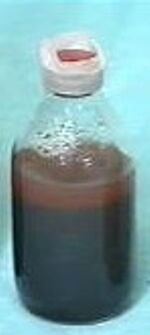
Because a “portion” of blood is removed, new blood has to be formed. These young blood cells are more elastic than the “old” ones. As a result, the overall fluidity of the blood increases slightly. However, because the same blood circulates thousands of times in the circulation, this small effect is “multiplied” and results in substantially improved blood flow in the longer term.
The fact that women remain protected from arteriosclerosis and heart attack until the menopause is probably due, among other things, to their physiological monthly “bloodlettings”.
Procedure
Until the desired haematocrit (the proportion of red blood cells in whole blood) is reached, which is around 42% in men and around 40% in women, portions of 200 - 250 ml are as a rule taken every 2 weeks. It is important to drink a lot, a great deal, before the bloodletting and on the same day: at least 2-3 litres of water.