For worn joints, postural faults and muscle pain: posturology, shoe adjustments and trigger points.
The following sections go into the individual topics in more depth.
Posturology
The holistic study and treatment of posture
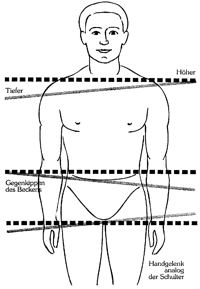
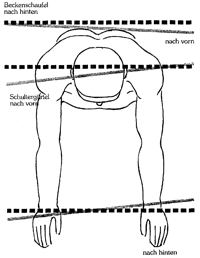
In the course of evolution, humans had to learn to leave the four-legged stage and manage on two feet only. This development still has far-reaching consequences for us today and at the same time provides answers as to the causes of many complaints of our musculoskeletal system. In standing upright, the axis of the thighs had to be turned by 90 degrees in relation to the pelvis. This significantly changed the load in the area of the lower spine, which is also where we have most problems. The spine, like the rest of our musculoskeletal system, is primarily mapped out in form and posture in our genetic material and is “built” according to this plan. Besides the blueprint, however, further factors are added in the course of development. Let us imagine that an extensive burn in childhood has left a large, tough scar on the side of the trunk which, as it were, holds back the stretching of this area during growth. The implementation of the blueprint is hindered by this disturbing factor, and an abnormal curvature of the spine is the result. But... the head wants to stay upright! What else can the organism do but initiate a compensatory rotation in the other sections of the spine. “Scoliosis” has thus developed. But it does not take such serious mutilations to change the statics of the body. Further mechanisms are responsible for our orientation in space. These include the eyes and the so-called deep receptors of the joints and muscles. The organ of balance registers only accelerations. One optical phenomenon is the sensation of movement in a stationary train when the other one pulls away. Thus diseases of various sensory perceptions during development can lead to deformations of posture just as, for example, flat valgus feet can. But that is not all. Our teeth also exert an influence and can be the cause of postural faults. It is hardly possible to carry a heavy load with the mouth open, the tongue stuck out and the breath exhaled. The postural muscles have thereby been weakened! On the Roman galleys the rowing slaves all had scurvy, which made their teeth fall out. Because they could no longer clench their teeth, they were given “bite splints”, small wooden slats that were held between the toothless upper and lower jaws. With these they were able to develop more strength again.
Now, what is a “normal” posture?
- The pelvis is horizontal
- The dimples of the buttocks are at the same height
- The gluteal cleft is exactly vertical
- The lower gluteal folds are at the same height
- The lower limbs are straight and touch at the following points: upper part of the thighs, calf, knee, inner ankle.
- From the front, the pupils are horizontal, both shoulders are at the same height, as are the two wrists and the nipples. The kneecaps are turned slightly outwards and the inner ankles lie slightly in front of the outer ankles.
- From the side, the plumb line falls from the crown of the head just behind the ears, past the middle of the side of the thighs, where the thigh bone protrudes slightly, and comes to lie roughly in front of the outer ankle.
If these findings do not apply, there is a postural fault or postural damage. Postural faults are due to weaknesses (“slack posture”); postural damage, as the term suggests, is due to anatomically fixed changes, such as a true shortening of the leg (there are also apparent leg shortenings!).
The posturological examination takes all the factors mentioned, and others, into account in the assessment in order to develop a more complex treatment philosophy that is intended to succeed in the longer term.
Shoe adjustments
Adjustments to house shoes and work shoes
The following description comes from Orthopädie Bähler AG
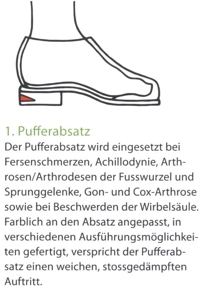
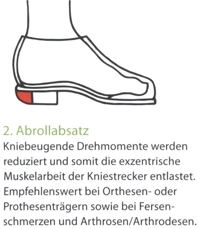
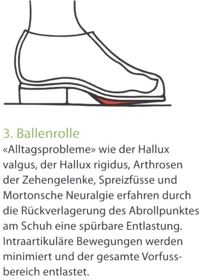
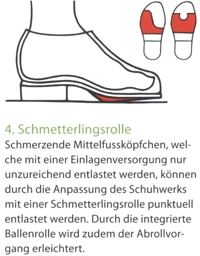
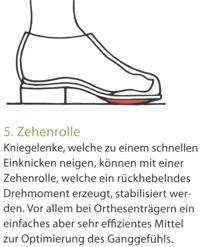
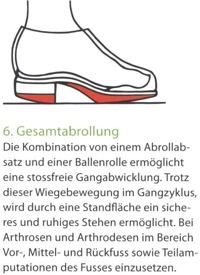
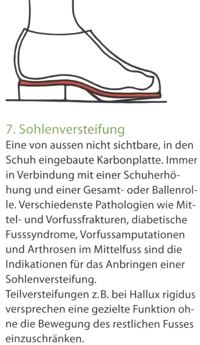
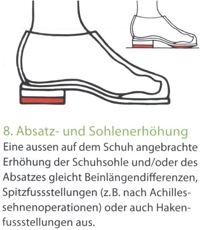
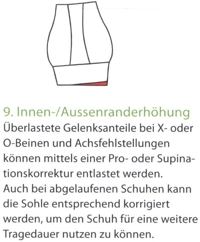
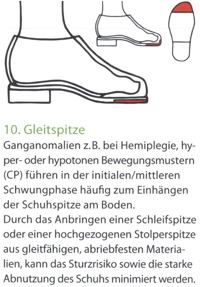
The heel of a shoe can have cushioning, compensating or “physiological” properties. The sole can be designed to ease or to restrain the rolling of the foot and can be given properties that correct its position. If heel and sole are combined, a functional unit is created which can be described in the words: “Small modification, great effect”.
Trigger points
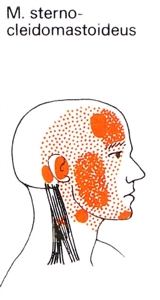
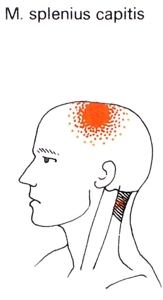
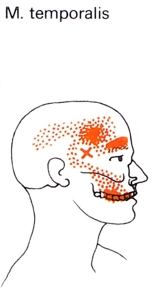
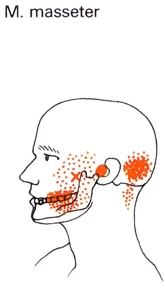
Muscles of the head and neck
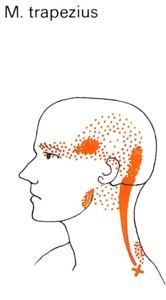
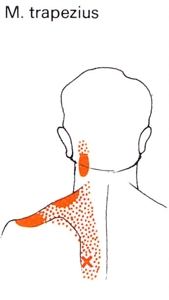
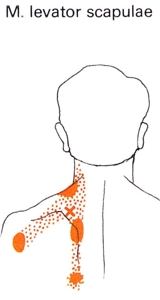
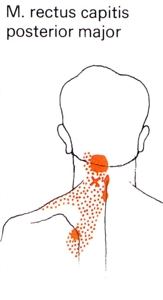
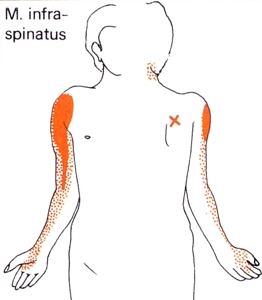
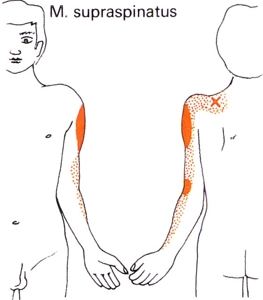
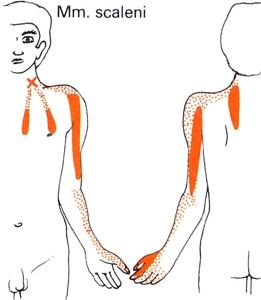
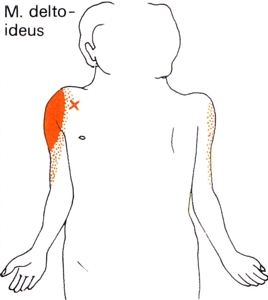
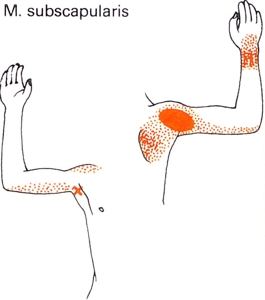
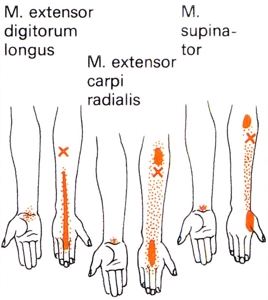
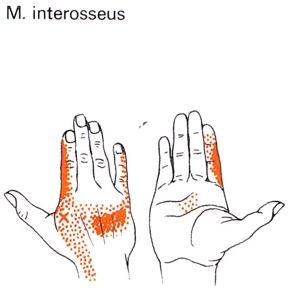
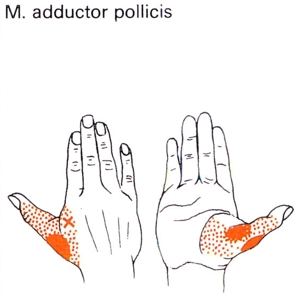
Muscles of the shoulder and arm
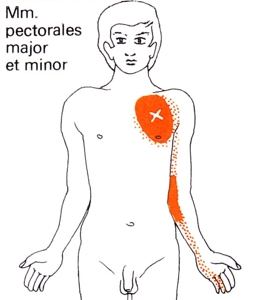
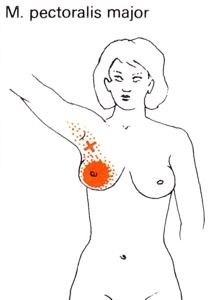
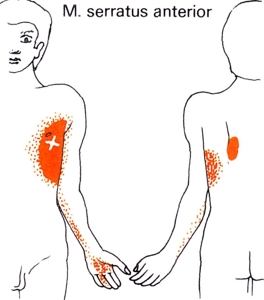
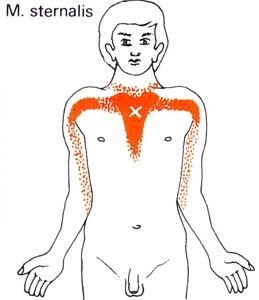
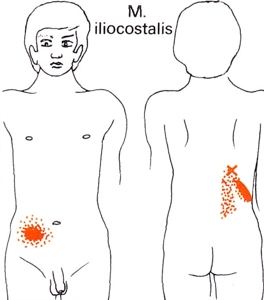
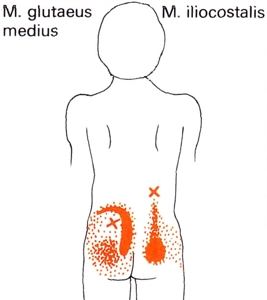
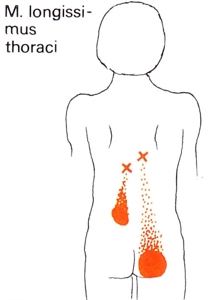
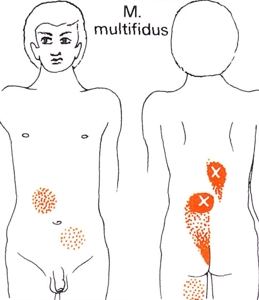
Muscles of the trunk
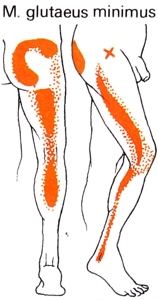
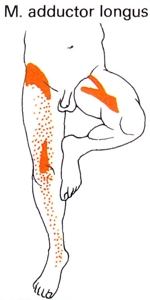
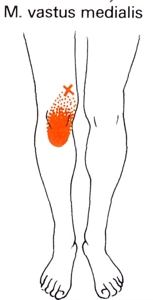
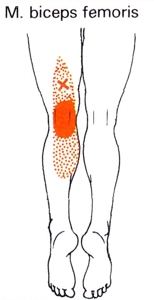
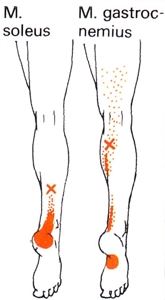
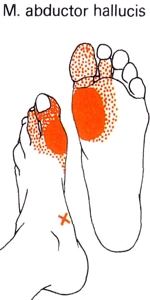
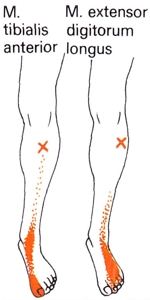
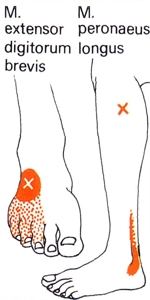
Muscles of the leg